
Lawsuit against ICE comes after federal agents approached man via email criticizing the agency’s former head


A New York State citizen has initiated legal action against the United States Immigration and Customs Enforcement (ICE). The action comes after federal agents attended the man’s residence due to an email he sent to a former leader of the agency.
David Streever, an American, was in Finland in June when two agents came to his home, located in Rochester. According to his lawyers, they gave Streever’s wife a document that classified an email sent months earlier as threatening. The message was sent in January to Todd Lyons, who was acting director of ICE, shortly after an immigration agent killed Renee Good of Minneapolis in a protest against ICE’s actions.
In the electronic communication, Streever described Lyons as “a monstrous human being” and declared that he “will never have peace.” The citizen alleges that the government agency disrespected his rights guaranteed by the First Amendment of the Constitution, according to the lawsuit initiated on Monday in Washington, D.C. This constitutional right broadly protects political speech, even when it is strongly critical or unpopular, serving as a pillar for transparency and oversight of government acts.
Streever is one of two people in upstate New York who received a federal notice in June following online criticism of U.S. Immigration and Customs Enforcement (ICE). The Foundation for Individual Rights and Expression, a Philadelphia entity that represents Streever, said the lawsuit seeks to defend its client’s freedom of expression, considered violated.
“This demonstration is unequivocally protected by the First Amendment,” said Adam Steinbaugh, one of the foundation’s lawyers. “The situation occurred within a scenario of political discourse.”
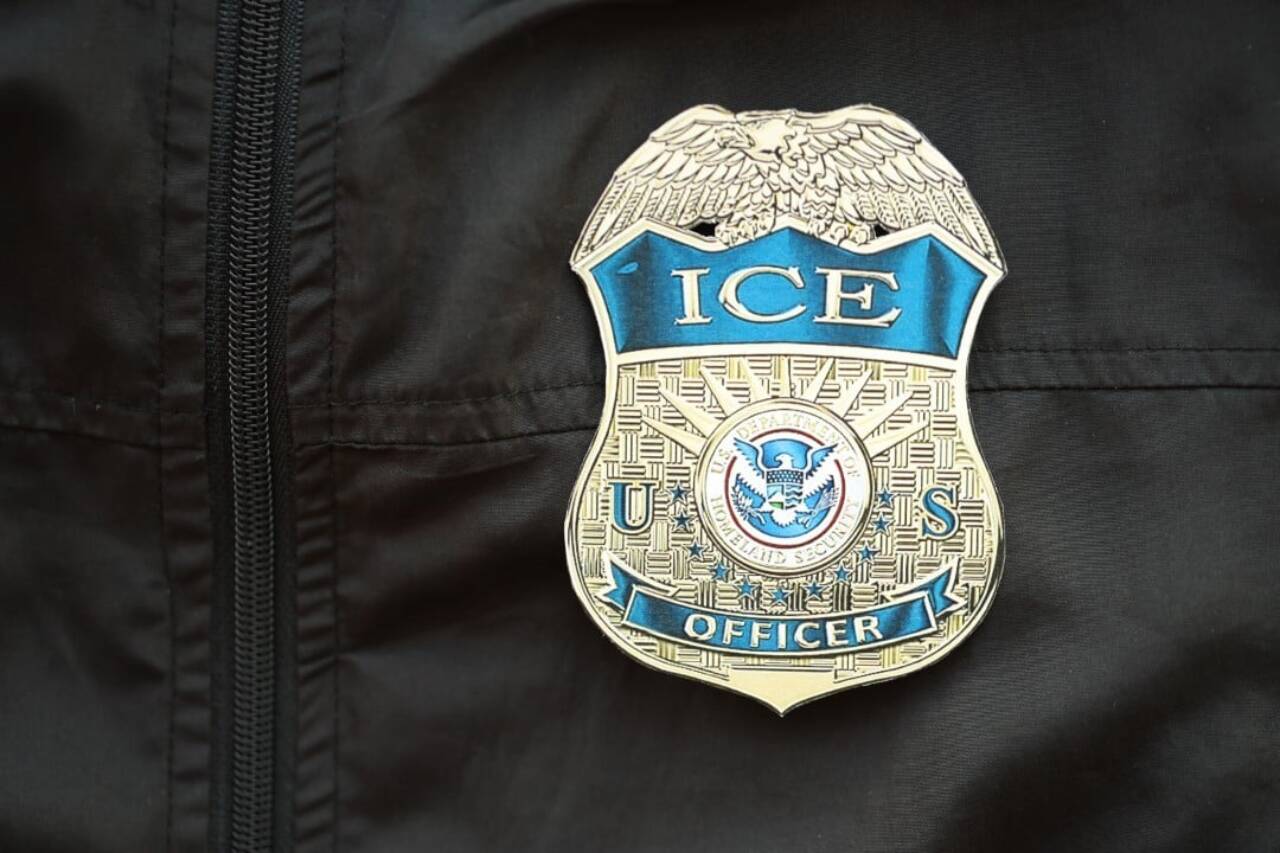
Previously, ICE spokespeople declined to comment on the warning to Streever, saying the investigation remains ongoing, and the agency did not issue a statement Monday. The legal action also names Homeland Security Secretary Markwayne Mullin. His office released a statement reading: “Any accusation that DHS and its units seek to ‘stifle’ free speech is categorically FALSE.”
“Individuals who attack or make threats against our law enforcement officials will face appropriate consequences,” the statement added.
The full email, divided into three paragraphs and with the subject line “What’s next?”, included a comparison to a notorious leader of Nazi Germany: “You are a monstrous human being and will be remembered in history as the American Reinhard Heydrich the Butcher.”
“The way you defend the clear execution in Minnesota, even in the face of the videos, will result in your undoing. Even Trump will turn against you before the end, and you will become a melancholy, despised man, consumed by the shame of your own pathetic weakness.”
“You will never find peace. You will try to hide, to escape the burden of facing the truth about yourself. But wherever you go, you will find yourself. You will martyr yourself until your last day in this world.”
Federal agents also searched for Streever at a New York City hotel upon his return from Finland. However, the establishment’s staff prevented the officers from entering, as Steinbaugh reported.
The federal agents’ visit to Streever’s home came the same week that other officers approached Paigelynne Gonyea, an election worker, at a polling place during the New York primary. The reason was a post she made on a social media platform.
Gonyea assumes the federal warning originated from a January post where she expressed, “I think today is a great day for Jonathan to be indicted.” The post featured an image of Jonathan Ross, the ICE agent who fired the shots that killed Good. The post was made after Ross was identified by the press.
Lauren Bis, a spokeswoman for the United States Department of Homeland Security, released a screenshot of another social media post by Gonyea. Bis claimed that Gonyea had disclosed Ross’s address in this post, part of which was censored.
In a statement issued in June, Bis declared that Gonyea “committed a federal crime by disclosing an ICE agent’s address online.” She added that “if personal information about our officers is disclosed, we will investigate it and the person responsible will be brought to justice.”
A spokesperson for the New York Attorney General’s Office confirmed that the agency is aware of the two residents’ contact with federal agents. The office is examining the specific interaction between Gonyea and officers that occurred at a polling place.



