
2026 World Cup: find out about Messi’s diet that eliminates vomiting and prolonged his career


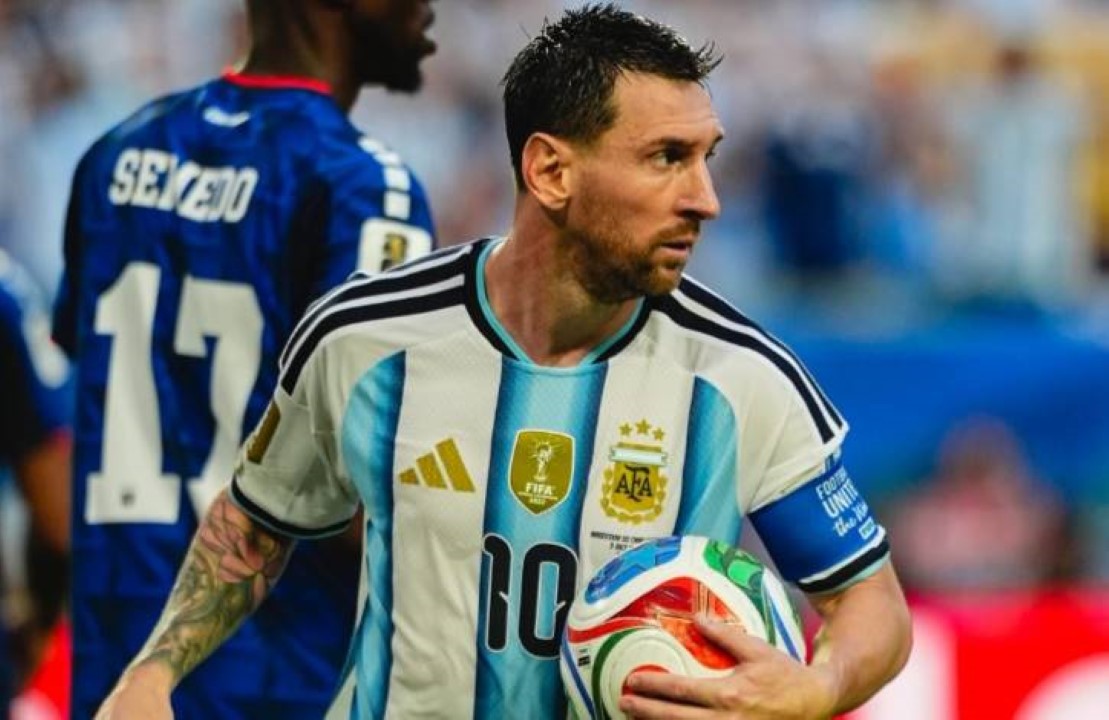
The focus on controlled nutrition is one of the pillars for Lionel Messi to maintain high performance on the field. The athlete, who will turn 39 next Wednesday (24/6), is the top scorer in the World Cups, with 18 goals, and is preparing for his sixth participation in the World Cup, a rare feat that requires rigorous physical and nutritional discipline. Dedication to your diet is crucial to sustaining your career at a high level for so many years.
Nutritionist Taynara Abreu was consulted to analyze Messi’s dietary changes and current nutritional plan, highlighting how these choices impact his performance and general health.
In the past, the striker faced frequent bouts of vomiting during and after matches. Concerned about the situation, Messi sought help from Italian nutritionist Giuliano Pose, who helped him eliminate harmful eating habits.
Lionel Messi’s trajectory and his record in World Cups
In a statement given to América TV nine years ago, Messi admitted: “I ate poorly for many years. It was chocolates, alfajores and soft drinks. Now, I eat well. From time to time, I drink wine, but it doesn’t hurt me. I noticed a lot of difference with the vomiting.”
Another food that was part of his routine was pizza, consumed almost daily, which generated concern among the directors of Barcelona, the club where the player played for two decades.
Transformations in the football star’s diet
Reducing soft drinks, sweets, ultra-processed foods and dishes rich in saturated fats, as implemented by the player, is fundamental for anyone’s health, but is even more vital for high-performance athletes, as explained by the clinical nutrition specialist at Hospital Mantevida, in Brasília (DF).
Taynara Abreu details that “these foods tend to have high caloric density and low nutritional value, in addition to concentrating large amounts of sugar, sodium, fats and food additives.” Under Pose’s guidance, Messi swapped wine for water and replaced pizzas, sweets and soft drinks with fish, smoothies, whole grains, olive oil, fruits, vegetables and fresh vegetables.
“By prioritizing more natural foods, the athlete improves the quality of their intake of essential nutrients for muscle recovery, energy production, intestinal health and control of inflammatory processes. This can favor physical disposition, body composition, sleep quality and even injury prevention, factors that directly impact sports performance”, adds the expert in clinical nutrition.
In a lecture held in 2016, Giuliano Poser, Messi’s nutritionist, provided details about the star’s dietary regime. He identified a set of five essential foods, which he called “gasoline”: “abundant water; high-quality olive oil; whole grains; fresh organic fruits and vegetables. All must be free of pesticides and herbicides.”
The importance of diet in injury prevention and training routine
Specialist Taynara Abreu highlighted the contribution of a balanced diet in preventing injuries, an aspect that Lionel Messi himself noted. After adopting a more plant-based diet, the player noticed a significant improvement in his performance both in training and in games.
“I’ve been taking care of myself with my food for many years. Then I do strength training and a few other things. I’m not much of a gym person”, revealed the star in an interview with the Spanish newspaper Marca.
According to Poser, the World Cup top scorer needed to reduce his sugar consumption, which he considers the “worst thing for the muscles”. Messi also reduced his red meat intake, a challenge for the Argentine. “Messi had the intuition and humility to try something different in his professional life and it worked,” said the professional.
Despite the dietary sacrifices that underpin Messi’s success, he still struggles with chocolate. “It’s the hardest thing for me. Even now, from time to time I sin with chocolate”, he confesses. Nutritionist Taynara Abreu reinforces that sweets can be included in a balanced diet “without the need for exclusion”.
“For healthy adults, portions of around 20 to 30 grams per day, especially of chocolates with a higher cocoa content, are usually compatible with a balanced diet. The most important thing is that consumption is moderate and does not replace routine nutritious foods”, concludes the specialist from the federal capital about the habit of the Argentine national team’s number 10.





