Five-decade studies of LSD reveal effects on neuroplasticity and learning

Could LSD, in fact, become a tool to treat common psychiatric conditions like generalized anxiety disorder or major depression? The idea may seem unlikely, given LSD’s history as the “wicked witch” of psychiatry—a substance often considered too dangerous, controversial, and politically sensitive for in-depth study. However, recent information indicates a new direction for this research.
In June 2026, researcher Abigail Calder and her team contributed a new chapter to this narrative, publishing in the journal *Neuropsychopharmacology* that LSD is capable of modifying learning in healthy human participants. Although it was not a clinical trial, the study sought to understand whether the substance causes changes in brain function that could open doors to new phases of learning, adaptation and plasticity.
At the beginning of my professional career, LSD was often seen as a pharmacological model for schizophrenia. The hope was that it could shed light on the biology of serious mental disorders. Today, researchers are using advanced technologies such as neuroimaging, electrophysiology and carefully designed clinical trials to pursue a much more ambitious goal: Can temporary changes induced by LSD uncover how the adult brain learns, adapts and, perhaps, even recovers?
My first experience with LSD studies occurred at Yale, under the guidance of Dr. George Aghajanian, who, in turn, had been mentored by Daniel X. Freedman. Together, they were instrumental in transitioning LSD from a pharmacological model of psychosis to an essential scientific resource in understanding serotonin, perception, and typical brain functioning. Their work helped propel modern neuropsychopharmacology, redirecting the field’s focus from describing unusual behaviors to investigating underlying brain mechanisms.
More on this story: Advances in stroke recovery are squandered by shortage of therapy in the British NHS
George Aghajanian’s seminal contribution to neuroscience
More than fifty years later, Calder and his collaborators revisited a question that would have been impossible to answer at the time of the Yale research. Healthy volunteers received a supervised dose of 100 µg of LSD or a placebo. The team did not focus on the acute psychedelic experience, but rather on the persistence of measurable changes in learning and brain function after the intoxication phase. The evidence suggests an affirmative answer.
Participants demonstrated an improvement in *offline* motor learning — the brain’s ability to solidify new skills after practice — and reported greater mental flexibility, as well as a lower perception of stress a week later. The significance of this study lies less in a specific finding and more in the question it raises: Can LSD, rather than just causing hallucinations, temporarily create a brain state that favors knowledge acquisition and behavioral adjustment?
The adult brain is a dynamic organ, which continually remodels itself in response to experiences. In the hours and days following LSD administration, participants’ neural circuits continued to strengthen certain connections while weakening others, in a process known as consolidation. This remarkable capacity for neuroplasticity is crucial for acquiring new skills, modifying behaviors, recovering from injuries, and adapting throughout life. LSD appears to temporarily decrease the rigidity of habitual brain networks, enabling communication between areas that normally operate independently.
Learn more: Geographical movements reduce depression and stress by reorganizing neural circuits
Rather than simply interrupting brain activity, these transient changes can generate a brief window of time in which learning and behavior modification become more accessible.
It is not yet certain whether this interpretation will be confirmed in the long term. Five decades ago, researchers questioned whether LSD was similar to psychosis. Today, the question is whether it can shed light on the brain’s extraordinary capacity for neuroplasticity. This change in perspective helps to understand why psychiatrists have once again shown interest in LSD, not just as a psychedelic drug, but as a possible therapeutic tool.
Recent clinical trials involving the pharmaceutical LSD (MM120), as mentioned previously, have revealed promising results in the treatment of generalized anxiety disorder. These and other recent clinical findings offer a possible biological basis for such effects. The evidence redirected the debate, moving from the question about the therapeutic potential of LSD to the investigation of how it could act.
See Also

Google must allow alternative app stores on Android phones by legal determination

Galaxy Z Fold8 is difficult to repair and raises durability alert for users

Police are looking for ex-stepfather after 14-year-old girl was killed in Encantado
What motivates psychiatry’s renewed interest in LSD
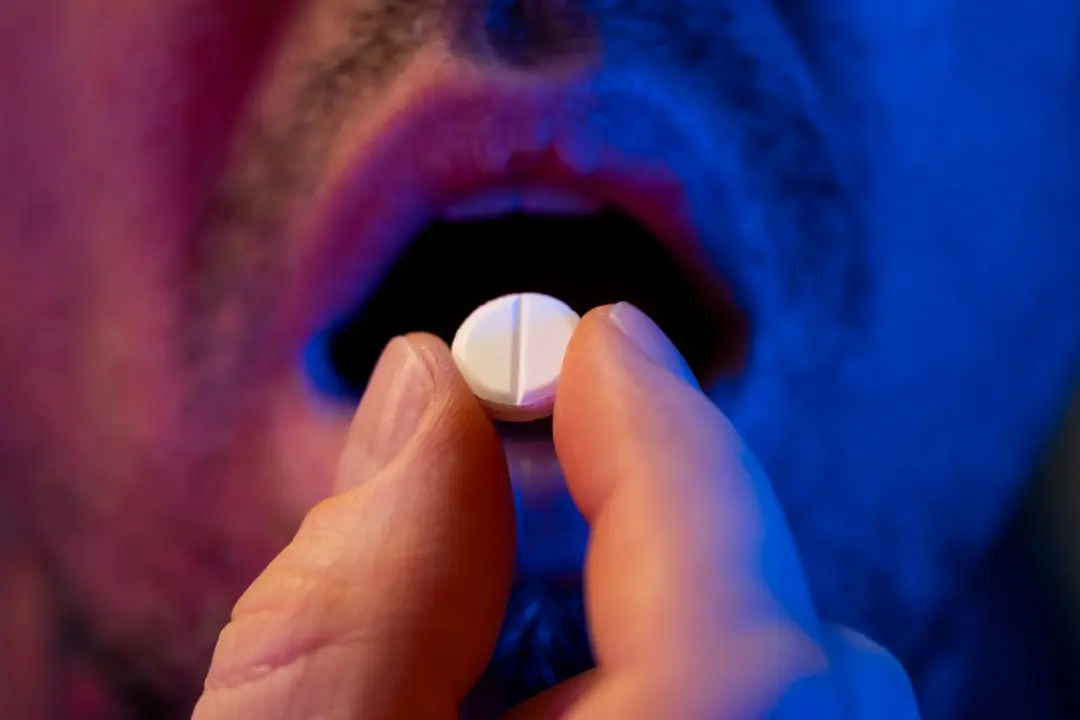
Clinical studies indicate that a single supervised dose of LSD can result in lasting improvements for patients with generalized anxiety disorder, while initial analyzes for major depression are also encouraging. Although these data are still preliminary, they raise an intriguing perspective: a temporary period of increased neuroplasticity may make ingrained patterns of thinking and behavior more susceptible to modification. The relevance of psychotherapy to maximizing this opportunity—or whether the biological state itself is responsible for much of the benefit—remains a crucial question to be elucidated.
In the landscape of modern psychedelic therapies, LSD has emerged as one of the most robust evidence bases for the treatment of generalized anxiety disorder (GAD). This is a remarkable turnaround in the drug’s reputation over the past half century: The same compound, which was once considered a dangerous hallucinogen, is now being evaluated in late-stage clinical trials for one of the most prevalent disorders in psychiatry.
On the same topic: League of Legends improves attention and memory for up to ten weeks, study finds
The evidence for major depressive disorder is less conclusive but equally intriguing. Initial clinical studies suggest that a single therapeutic dose can produce rapid antidepressant effects that last for weeks in some patients.
It is essential to highlight that Calder’s study does not prove that LSD treats anxiety or depression. Instead, he offers something that can be considered of equal value: a biological system for understanding why and how psychedelic-assisted treatments can be effective.
The central question is no longer whether LSD causes intense psychological experiences. The question now is whether the transient biological state it generates can, in itself, favor recovery.
The answer to this question is still uncertain. Psychotherapy may be essential to optimize and maintain benefits in certain patients. Furthermore, carefully selected patients may show improvements with much less intensive psychological interventions than previously imagined. Defining which patients benefit most—and in what context and therapeutic environment—has become one of the main investigations of psychedelic psychiatry.
More on this story: Playful activities strengthen memory in the elderly and delay cognitive decline
Other important scientific questions still demand answers. Psychedelic trials remain particularly susceptible to functional blinding, as participants often identify when they received the active substance, which can influence subjective results. Long-term safety also requires ongoing investigations, especially in repeated exposure scenarios. Although there is currently no robust evidence that one or two supervised therapeutic sessions with LSD cause clinically significant cardiovascular injury, recent observations have raised concerns that chronic and repeated exposure to LSD—including microdosing—may be associated with serotonin 5-HT2B receptor-mediated valvular heart disease. This condition is similar to fenfluramine-associated valvulopathy, which has been recognized for decades. Such findings require prospective confirmation and should not be interpreted as proof of causality, but reinforce the relevance of prolonged cardiovascular monitoring as psychedelic therapies advance into clinical practice.
The 2026 Rand report estimated that about 3 million adults in the United States had used illicit LSD in the previous year. It is crucial to note that these individuals are fundamentally different from participants enrolled in modern clinical trials, who undergo rigorous psychiatric and medical screening, receive pharmaceutical-grade LSD in strictly controlled doses, and have ongoing medical supervision. Outside of the research setting, users often administer LSD on their own, without assurances about the substance’s identity, purity, potency, or cumulative exposure, and almost always without medical supervision. Emerging evidence linking repeated LSD exposure to valvular heart disease similar to that caused by fenfluramine is particularly pertinent to chronic recreational use and microdosing, where cumulative dosing far exceeds therapeutic protocols. Recreational use also continues to generate emergency room visits, psychiatric hospitalizations, accidents, and exposure to counterfeit products sold as LSD. Consequently, the growing interest in psychedelic-assisted therapy should in no way be interpreted as an endorsement of the safety of unsupervised recreational use or self-administered microdosing.
Future perspectives for the therapeutic application of LSD
More than five decades ago, researchers at Yale University used LSD to deepen understanding of serotonin. Today, the substance is used to investigate neuroplasticity. It is not yet known for certain whether LSD will become a widely accepted psychiatric treatment. However, LSD’s greatest contribution may not lie in the psychedelic experience it provides, but rather in the valuable *insights* it offers about how the human brain learns, adapts and transforms throughout life.