
Discovery of British genetic variant that influences onion preference could significantly reduce risk of type 2 diabetes and hypertension

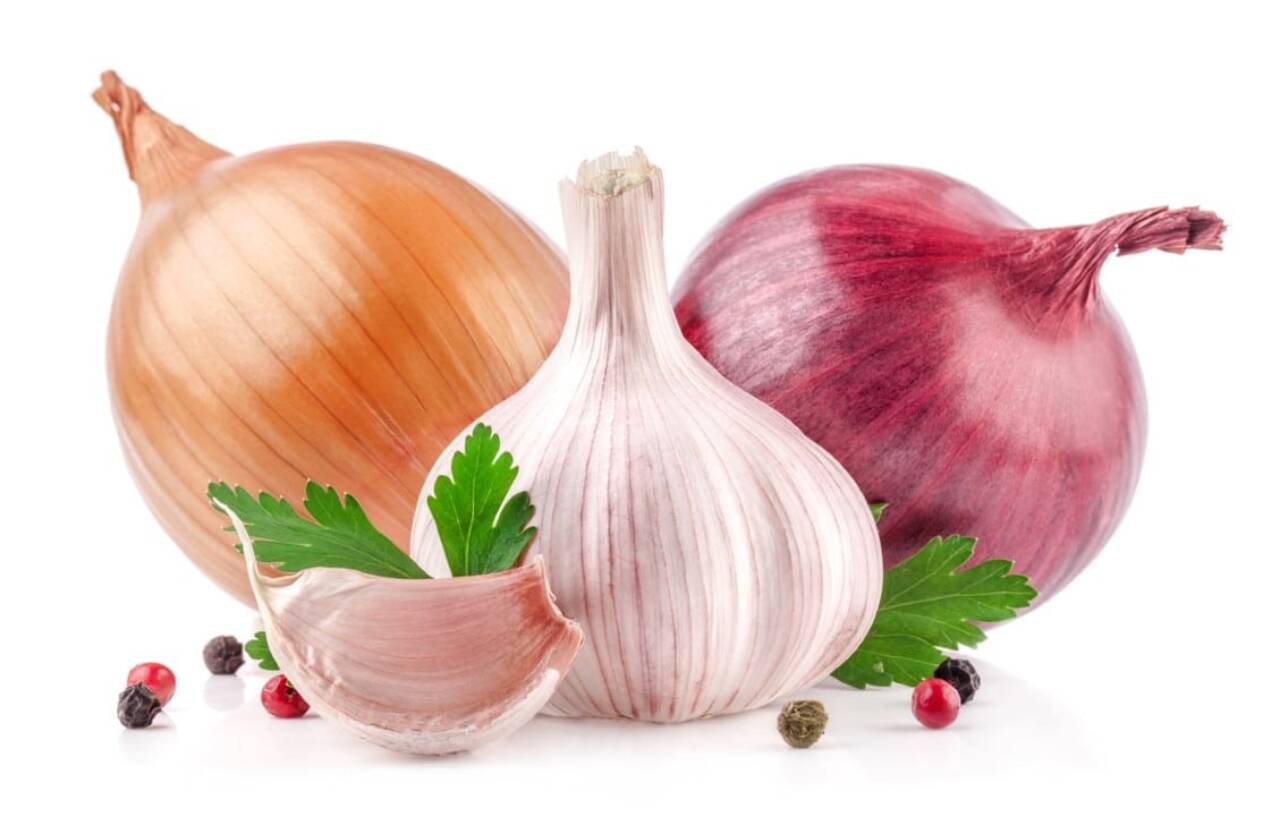
Onion lovers may have an extra reason to celebrate, as revealed by recent research in the field of genetics.
A lower likelihood of developing type 2 diabetes and reduced rates of high blood pressure have been linked to a specific genetic change directly linked to a preference for the smell and taste of onions.
This discovery establishes a link between a very particular food preference and important health indicators. However, the scientists emphasize that the result should be seen as an interesting clue, and not as definitive dietary guidance.
Details of the research that revealed the genetic link
The study, published in the renowned journal BMC Medicine, used genetic information and food consumption data collected from more than 160,000 individuals living in the United Kingdom.
Among the most notable findings, a variation in the olfactory receptor gene OR2T6 demonstrated a connection to both the enjoyment of onions and reduced odds of type 2 diabetes and lower rates of hypertension.
It is essential to emphasize that, despite these associations, the consumption of onions is still not a miracle solution for curing diseases.
To analyze these correlations in a robust way, international researchers used the Mendelian randomization technique. This innovative method evaluates genetic traits established since birth to investigate associations between eating habits and the occurrence of illnesses, offering an approach less susceptible to bias.
Because Mendelian randomization does not rely on people self-reporting their diet, it has been shown to be more consistent for health and nutrition research compared to traditional dietary surveys, which are often incomplete or inconsistent. This methodological advance is crucial for obtaining more reliable data on the relationship between diet and disease.
The relevance of the study for understanding chronic diseases
Type 2 diabetes and high blood pressure are conditions that affect millions of individuals globally and can increase the risk of heart problems, strokes, kidney dysfunction and other serious health complications.
Related video: Lower your blood pressure by eating these two foods (Talking With Docs)
[]
It is important to point out that a single genetic connection, however unusual, does not change current medical recommendations or public health guidelines.
The safest way for people to reduce their risks for these conditions involves established practices, such as adopting a balanced diet, maintaining regular physical activity, getting adequate sleep, controlling stress and carrying out preventive exams and routine medical appointments.
However, this study has the potential to help researchers deepen their understanding of the intricate relationship between taste, smell, genetic makeup and the development of diseases. Such knowledge could, in the future, optimize nutrition science and the ability to predict health risks in a more personalized way.
This finding, for now, represents preliminary evidence that will require extensive additional studies to be fully confirmed and understood.
Scientists’ view of the results found
The main message conveyed by the research team is caution regarding the results.
The research does not invalidate the fundamental principle that correlation does not imply causation, although the use of genetic methodology gives slightly greater weight to the observed associations.
The scientists also suggested that genetic markers could act as a ‘more accurate indicator for the connections between food preferences and disease’, surpassing the reliability of surveys based on self-report.
Still, the authors emphasized that the discovery should not generate great certainty until future studies validate it in ‘larger and more diverse populations’.
Onion enthusiasts may enjoy a moment in the spotlight, but science still doesn’t say that daily consumption of the vegetable will keep the doctor away.



