
Donald Trump, President of the USA, signals the end of the ceasefire and predicts a new escalation of attacks against Iran

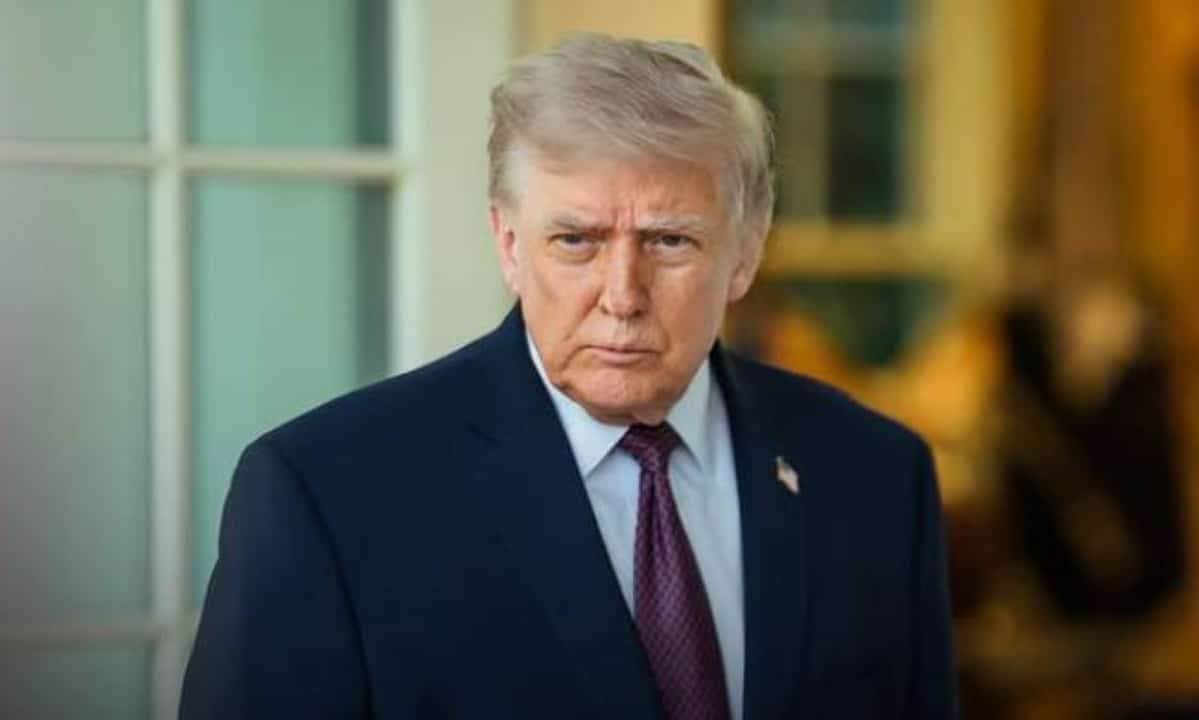
In a statement that sparked widespread global attention, United States President Donald Trump expressed a warning about the likelihood of new military clashes with Iran. His statement came alongside the assertion that the current ceasefire in the region would be “ended”, pointing to an immediate and official turnaround in American foreign policy under his current administration. The speech of a sitting head of state about the end of a ceasefire carries direct and urgent implications for regional and global stability, unlike comments from a former leader.
President Trump’s statement, presented amid discussions about US foreign policy guidelines, reinforces a position of direct intervention and assertiveness. This statement reflects his way of operating, especially considering that the relationship with Tehran, during his first term, was marked by considerable friction and the imposition of harsh sanctions.
President Donald Trump discusses ending Middle East truce
President Donald Trump took advantage of a public occasion to present his vision on the current situation in the Middle East. He criticized what he called the ineffectiveness of existing truce agreements, suggesting that a more incisive strategy was needed to deal with the Iranian government. The speech, with a very resolute tone, insinuates a complete review of any non-aggression pact already established.
Trump’s oratory often underscores the importance of “peace through strength,” a doctrine that has shaped many of his strategic choices. This recent warning can be understood as an indication of an even more aggressive maximum pressure policy on the part of his administration.
Troubled relations between the United States and Iran during the years of the Trump administration
Interactions between Washington and Tehran registered a significant deterioration during the first phase of Donald Trump’s presidency. The American administration has implemented a series of strict measures with the aim of curbing Iranian influence in the area and its nuclear program. These actions had a marked effect on both Iran’s economy and political sphere.
- Withdrawal from the Nuclear Agreement (JCPOA): In 2018, the United States unilaterally withdrew from the Joint Comprehensive Plan of Action, a treaty signed in 2015 that imposed limits on Iran’s nuclear program in exchange for sanctions relief.
- Reinstatement and expansion of economic sanctions: After leaving the agreement, Washington re-applied and intensified sanctions against Iran’s oil, banking and transport sectors, seeking to strangle the country’s economy.
- Airstrike on General Qassem Soleimani: In January 2020, a US drone offensive in Iraq resulted in the death of influential General Qassem Soleimani, leader of the Iranian Revolutionary Guard’s Quds Force, drastically raising tensions.
Possible consequences of an escalation of tensions in the Middle East
A possible intensification of attack policies or threats against Iran would have a considerable impact on the already volatile Middle East region. Neighboring nations, such as Iraq, Syria and Lebanon, which maintain strong political and military ties with Iran, would be directly hit. Increased pressure could incite retaliation from Tehran-backed groups, raising the risk of widespread armed conflict.
The security of shipping lanes in the Persian Gulf, which are vital to global oil supplies, would also be in danger. Any disruption in the region could boost energy prices and destabilize international markets.
Global impact of Trump’s statements and their effects on international relations
President Donald Trump’s statements echo far beyond the Middle East, affecting the global geopolitical scene. The possibility of a renewed confrontation between the United States and Iran could deepen divisions in the international community, leading US allies and other powers, such as China and Russia, to adopt different positions. Summits like NATO and other gatherings of world leaders would likely be dominated by debates about how to manage this potential escalation.
The belligerent posture of a power like the United States has the capacity to redefine alliances and defensive strategies in various parts of the world. The consequences for international diplomacy and ongoing conflict resolution efforts, such as the war in Ukraine, would be undeniable.
Reactions from the international community to Washington’s new signals
In light of President Trump’s statements, the global community is closely watching the next steps. Entities such as the United Nations and European governments, which have always defended a diplomatic solution to the Iranian issue, should reiterate their calls for moderation and dialogue. Additional sanctions or military action would be met with concern by many countries.
The Iranian government, in turn, has historically responded to provocations with blunt rhetoric and, in some situations, shows of force. How Tehran reacts to such threats will be a determining factor in the degree of escalation and the type of crisis that may emerge in the coming months.





