

South Korea’s culinary scene demonstrates marked volatility, with flavors and products emerging and disappearing from shelves and digital platforms in record time. Over the last ten years, specific sweets and savory snacks have become viral phenomena, driven by the power of social media, scarcity strategies and an incessant search for new things among consumers.
While some of these ephemeral innovations disappeared as quickly as they appeared, others managed to firmly establish themselves in daily eating habits. This accelerated cycle is, in part, a reflection of Korean “pali-pali” culture, which values speed and constant renewal, directly influencing the speed at which gastronomic trends are adopted and replaced. Observing these cases, both instantaneous and enduring successes, offers in-depth insight into the interplay between consumer psychology, viral spread on the internet, and growing health concerns in Korea’s vibrant food culture.
The meteoric rise of the Honey Butter Chip
Launched in 2014, the 150-gram bag of Honey Butter Chips, with its mixture of honey and butter, achieved extraordinary success. In just three months, the savory snack achieved sales leadership in the three largest convenience store chains, captivating palates with its irresistible combination of sweet and salty.
The scarcity strategy, or the perception of it, was crucial in driving the product’s popularity, with low supply further stoking consumer desire. However, in early 2016, the Haitai company normalized production, transforming the Honey Butter Chip from a coveted item to a constant and affordable presence in the snack market.
The consolidation of the brand allowed the launch of almost ten limited editions and variants, expanding the original line.
The rise and fall of Taiwanese castella cake
In 2016, Korea received the Taiwanese castella, a cake with roots in Portugal and consolidated popularity in Japan, which was reinvented in Taiwan. In this version, the candy gained a more pronounced egg flavor and a smooth, moist consistency, remaining fresh for a long period.
The cake reached its peak sales in Korea in March 2017, but faced a steep decline soon after. The turnaround occurred after a television program raised questions about the excessive use of oil in making eggs, which, combined with an outbreak of bird flu that raised the cost of eggs, accelerated the loss of interest.
Despite the rapid extinction of many confectioneries specializing in Taiwanese castella, some establishments managed to survive. Castella Bakery Lab, located in the Mapo neighborhood of Seoul, exemplifies resilience, remaining one of the few bakeries to continue operating.
The evolution of macarons and the emergence of the ttungcaron
Macarons, although associated with contemporary France, have their genesis in Italy, where the word “maccheroni” (kneaded dough) gave rise to their name. These sweets are known for their delicate, crispy shells and a soft, springy filling, usually based on cream or ganache.
In South Korea, macarons have undergone a significant transformation. Initially seen as expensive and difficult to access, their popularity exploded after 2012, driven by controversy related to aggressive marketing tactics by some merchants. In 2018, the craze was so great that Twitter users created collaborative “macaron maps” to find the best spots.
Korean macarons stood out for their considerable size, earning them the nickname “ttungcaron”, which derives from the word “ttung”, meaning “fat” in Korean. These sweets feature a much thicker layer of filling, and it is common to add fruit or other components, such as cookies, to intensify the flavor and texture.
The ttungcaron craze reached its peak in the summer of 2020. Since then, the dessert has established itself as a regular and widely available item in bakeries and coffee shops across the country.

The Success and Reviews of Brown Sugar Bubble Tea
In 2018, brown sugar bubble tea, a drink that combines tea with milk, brown sugar syrup and tapioca pearls, began to take South Korea by storm. By the end of 2019, the drink had spread in popularity, being offered in several franchised coffee shops, including those of Taiwanese origin.
The drink was praised for its balance between sweetness and a slight bitterness, considered more harmonious than white sugar. However, in mid-2019, growing concerns emerged about the high calorie and sugar content. Despite no longer boasting the status of a viral phenomenon, brown sugar bubble tea remains accessible at major chains like Tiger Sugar, Heuk Hwa Dang, Gong Cha, and Mega Coffee.
The unique flavor of salt bread from Japan
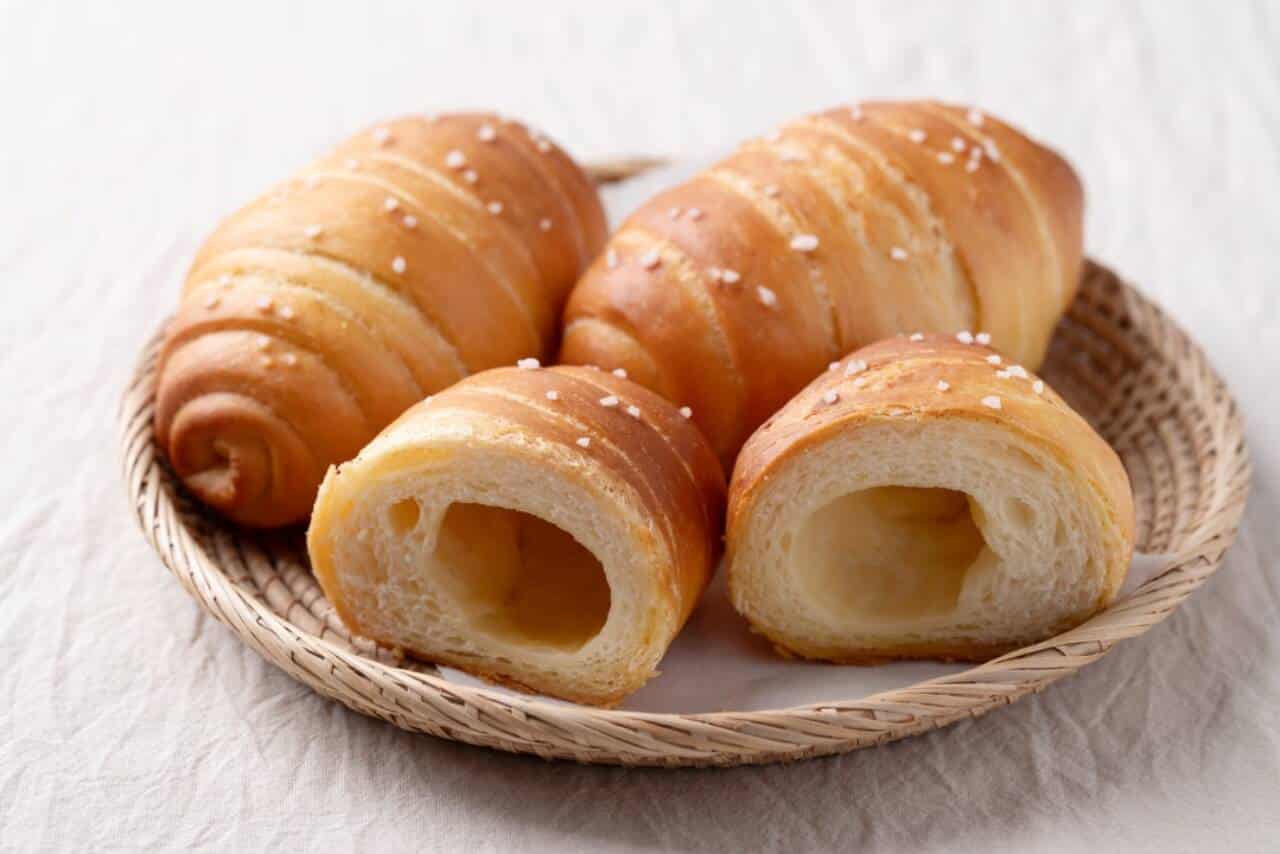
Also known as salted butter bread, salt bread was described by a gastronomic critic as “the meeting of a croissant, a soft bread and a baguette”. Of Japanese origin, the delicacy is famous for its unique proportion of butter and flour, as well as its distinctly fried base.
Around July 2021, salt bread became a viral hit in South Korea. While there is no single bakery responsible for its introduction, establishments like Jayeondo Salt Bread played a crucial role in making it known and loved by the public.
Although the initial intensity of enthusiasm diminished in mid-2023, salt bread consolidated its space in Korean bakeries, being found in both large chains and small local stores.
The rediscovery of tanghulu and health warnings
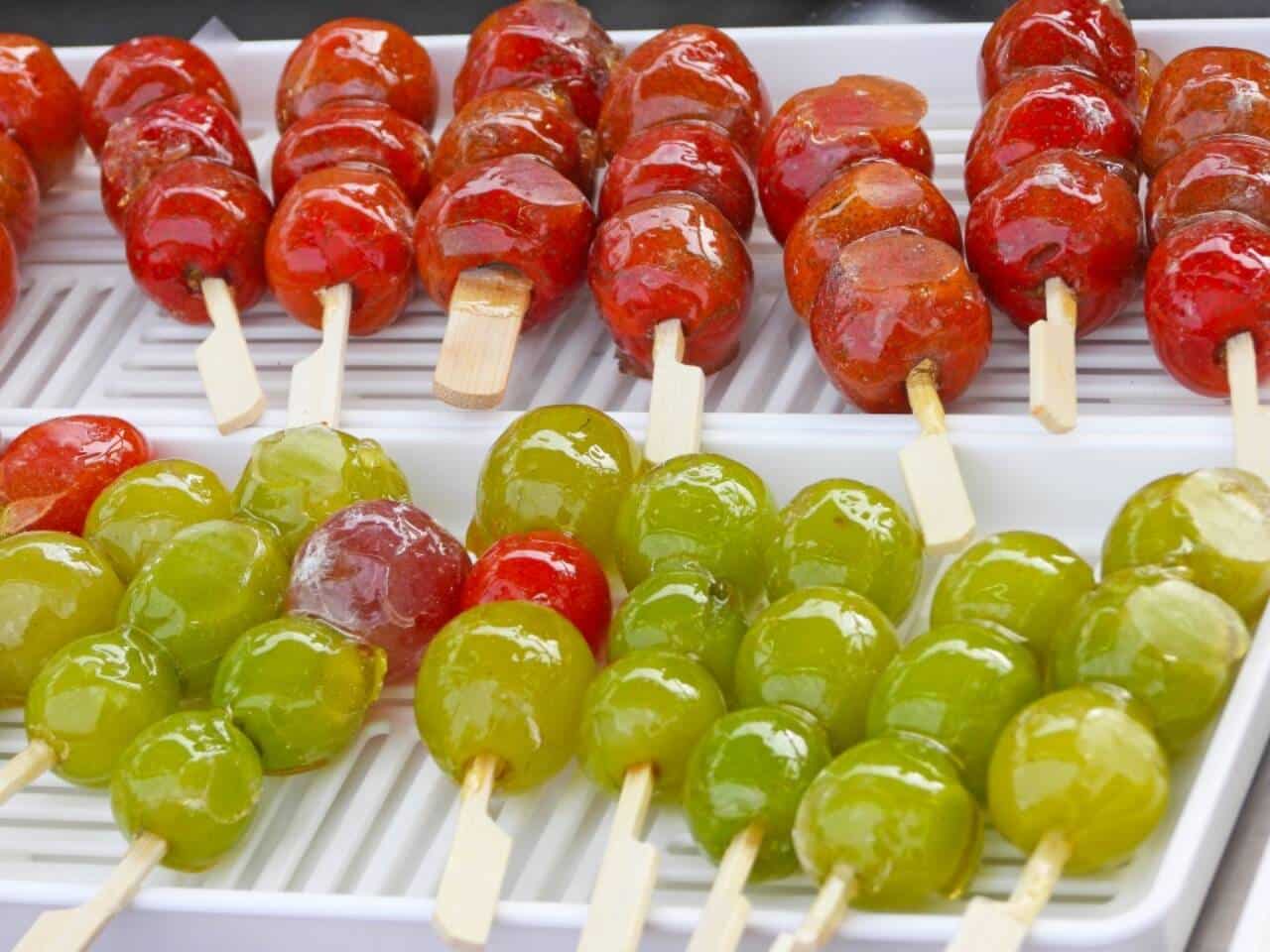
Tanghulu, a traditional Chinese sweet made with skewered and caramelized fruits, had been sold in the Chinese neighborhood of Incheon since the early 2000s. In 2023, however, the snack experienced a spectacular renaissance, driven by its explosive virality on TikTok and YouTube.
The popularity of tanghulu has resulted in the proliferation of stores dedicated exclusively to its sale, attracting mainly young people between the ages of 13 and 20. However, health experts soon expressed concern about high sugar consumption. In May 2024, the fever began to subside, and an increasing number of specialized establishments were forced to close their doors.
Yogurt ice cream and its healthy appeal to millennials
Also known as frozen yogurt, yogurt ice cream took South Korea by storm around March 2024. The Yoajung store chain was one of the main drivers of this phenomenon, attracting especially the millennial generation, who are looking for healthier options and the possibility of customizing the dessert with various extras.
However, with the rapid saturation of the market, enthusiasm for yogurt ice cream has begun to wane in recent months, indicating a possible decline in its period of greatest popularity.

The rapid rise and decline of Dubai chocolate
Created by FIX Dessert Chocolatier, from Dubai, the chocolate with kadayif and pistachio popularly called Dubai Chocolate due to its virality quickly became a global sensation on social media, generating yet another wave of interest in imported products in South Korea.
In April 2024, locally manufactured versions hit the Korean market, with sellers and consumers profusely sharing their photos on social media. However, the fervor was ephemeral. In November of the same year, the fashion practically died out, with the public’s attention already directed to new innovations.
Dujjonku: the reinvention of the trend with marshmallow
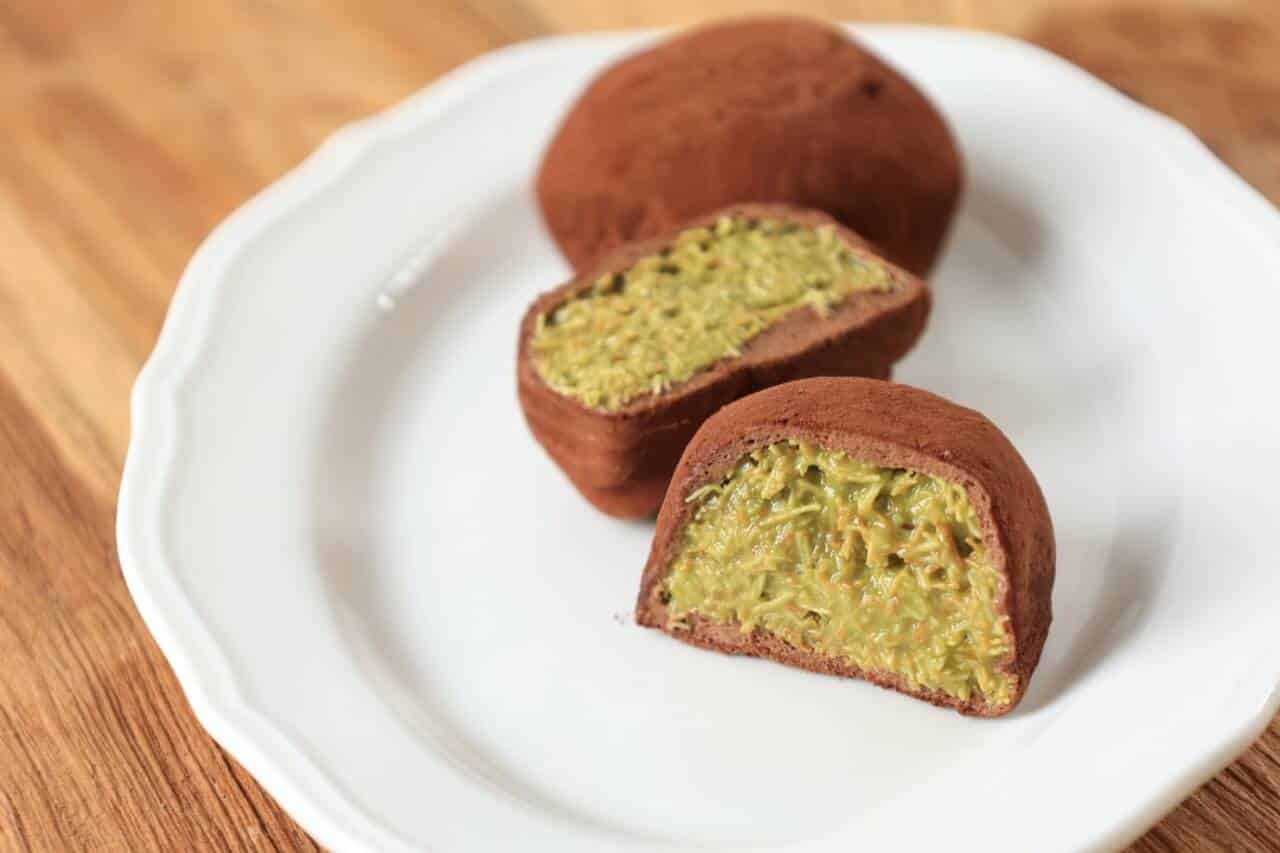
Despite the decline of Dubai chocolate in Korea, the concept was adapted and relaunched. The original outer chocolate layer was replaced by a chocolate marshmallow, resulting in a new version of the dessert.
Dujjonku, which is an abbreviation for “Dubai chewy cookie”, consists of a cookie with a pistachio cream filling and kadayif, a glutinous rice-based sweet. Its marshmallow base gives the outside a soft texture, while the filling guarantees crunchiness, which has led some to draw a parallel with “chapssaltteok”, a traditional glutinous rice cake.
This new fashion started around September last year. However, the fate of dujjonku is still uncertain, becoming the most recent example in the incessant cycle of gastronomic trends that mark South Korea.





