


The Cupertino-based technology giant has ambitious plans for the portable computer market throughout 2026, with up to four new devices expected to hit shelves. The planned portfolio will range from more affordable options, aimed at the school environment, to extremely high-performance machines equipped with state-of-the-art components. To keep the market warm, the manufacturer will adopt a staggered launch strategy, starting in the first months of the year.
The reformulated catalog will feature an unprecedented entry-level machine, updates to traditional lines with the M5 processor and a top-of-the-line variant that will feature an interactive OLED panel. The central objective of this diversification is to capture a much broader consumer base, serving both those looking for a device just for basic navigation and professionals who require extreme processing power for complex tasks.
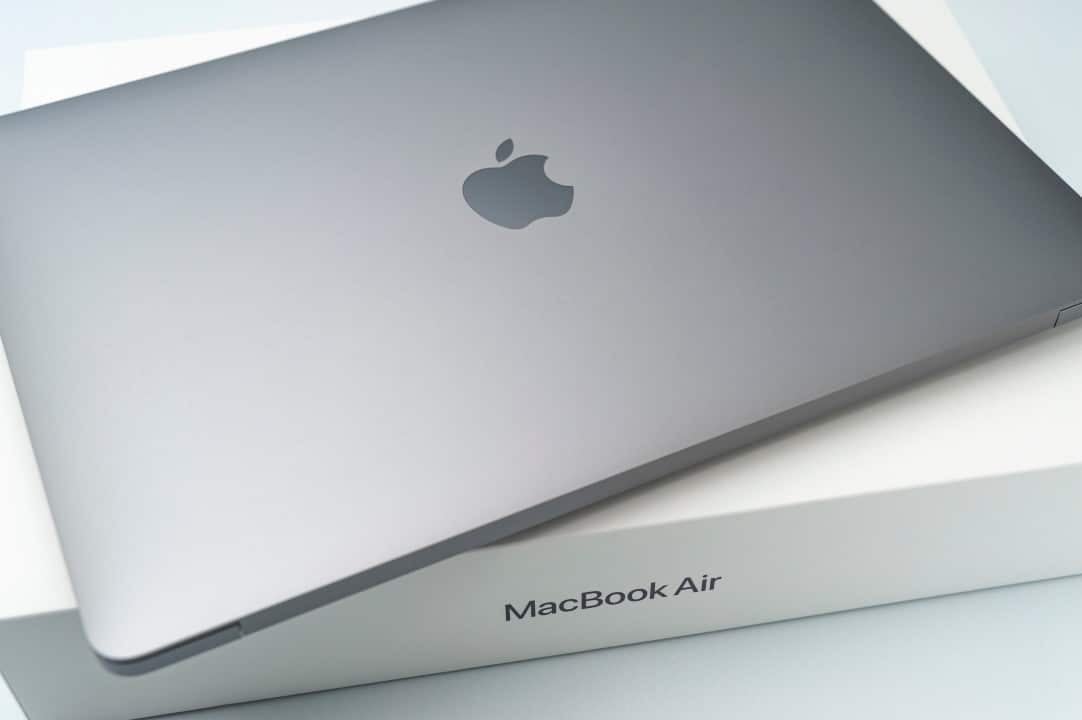
Although the company maintains its traditional absolute silence on unannounced products — a historic stance that contrasts with the technology industry in general, where the launch roadmap is usually public — the leaks coming from the Asian supply chain already paint a clear picture. The next generation of notebooks will represent one of the biggest expansions ever seen in the brand’s catalog. Engineers are focusing efforts on three fundamental pillars: energy efficiency, raw computing power and first-of-its-kind visual display technologies.
Education and low cost guide the development of a new portable computer
To compete with the popular Chromebooks and basic computers equipped with Windows, the manufacturer is developing a considerably cheaper alternative. This specific equipment must be powered by the A18 Pro chip, the same silicon component used in the brand’s most recent cell phones, delivering sufficient capacity for editing texts, spreadsheets and browsing the internet without hiccups.
| モデル | メインチップ | 画面 | 推定開始価格 (米ドル) | 主な対象者 |
|---|---|---|---|---|
| 低価格MacBook | A18プロ | 13インチ液晶 | 699-899 | 学生と基本的な使い方 |
| MacBook Air | M5 | 13 インチまたは 15 インチ Retina | 999 | プレミアムモバイルユーザー |
| 標準MacBook Pro | M5 プロ/マックス | 14 インチまたは 16 インチのミニ LED | 1999-3499 | 中級者向け |
| MacBook Pro OLED | M6(予定) | 14ンチまたは 16インチのタッチ OLED | 非開示 | 一流のクリエイター |
The design of the device will feature a 13-inch liquid crystal screen, housed in an extremely thin chassis to facilitate daily transport in backpacks. To reduce production costs, the company will leave out high-speed Thunderbolt ports, opting for conventional USB-C connections, which should place the product’s initial price in the range between US$599 and US$699 in the North American market.
The visual appeal will be a strong ally in attracting the younger audience, with the aluminum housing available in vibrant tones such as pink, yellow, blue and the traditional silver. Scheduled to arrive in the first half of 2026, this machine has the potential to significantly expand the presence of the macOS operating system in schools, universities and the entry-level corporate sector.
Scheduled hardware updates for professional machines
The line aimed at content creators and developers will receive an injection of performance at the beginning of 2026, thanks to the adoption of the M5 Pro and M5 Max processors. These new electronic brains will be manufactured by TSMC using the third generation of the three nanometer process, a miniaturization technique that guarantees superior processing speeds while consuming less battery power.
The 14-inch and 16-inch screen sizes will remain unchanged, as will the external visual identity of the devices, but the interior will house faster solid-state storage drives and expanded unified memory options. A complete aesthetic redesign of the chassis is ruled out for this moment, being reserved only for the future generation that will use the M6 family of chips.
The price list should not be readjusted, keeping the 14-inch version with the M5 Pro chip starting at US$1,999, while the 16-inch model with the M5 Max component will start at US$3,499. These values reflect the focus on a very specific niche market, made up of specialists who rely on heavy graphics rendering and ultra-high resolution video manipulation.
What changes with the arrival of the M5 processor in the thinnest models
The brand’s most popular portable computer will also undergo a renovation in the first quarter of 2026, possibly during the month of March, when it will feature the M5 processor. Preliminary laboratory tests indicate that this new architecture will provide a performance gain of between 12% and 15% in single-core and multi-core operations, when placed side by side with the previous generation.
The most noticeable leap will occur in graphics processing, with the video unit delivering up to 36% more speed, making it easier to run casual games and three-dimensional modeling software. The manufacturer carefully calibrated the operating frequency of the cores to ensure that this increase in brute force does not compromise the equipment’s praised battery life.
Starting at US$999, the device will maintain its status as the gateway to the company’s premium line, balancing cost and benefit. It is the natural choice for consumers who prioritize light and easy-to-carry equipment, but who do not give up on a refined finish and a fluid operating system.
New screen technology and touch interaction come to computers
The big revolution in the catalog is scheduled for the last months of 2026, when the company should reveal 14 and 16-inch versions equipped with touch-sensitive OLED panels. It will be the first time that the manufacturer will use this organic lighting technology in its notebooks, guaranteeing absolute blacks, infinite contrast and a much more faithful color reproduction than current screens.
The addition of touch sensitivity marks a drastic change in the company’s design philosophy, which has not explored direct physical interactions on the screen since the removal of the illuminated keyboard shortcut bar. To support this new way of use, the equipment will feature the future M6 processor and a chassis completely redesigned from scratch.
- Panels with organic technology that shine brighter and use less energy.
- Ability to interact directly with visual elements using your fingers.
- Sixth generation processing with an extreme focus on artificial intelligence.
- Thinner external structure and reduced edges around the display.
With this combination of innovations, the machine will consolidate itself at the absolute top of the brand’s product hierarchy, becoming the definitive object of desire for art directors, illustrators and audiovisual professionals.
How different categories of notebooks compare on the market
The simultaneous arrival of four different strands in the same year will create a very clear segmentation on the shelves, preventing products from competing with each other. The information compiled by financial analysts allows us to draw a detailed overview of how each machine will fit into the budget and needs of customers.
This breadth of options will ensure that the manufacturer has a commercial answer for practically any buyer profile, from the student on a tight budget to the film studio in need of portable workstations.
The business tactic behind hardware catalog diversification
The strategy of multiplying purchasing options aims to fill historical gaps in the company’s portfolio, attacking market shares that were previously dominated exclusively by the competition. While the cheapest model will try to steal customers who would normally buy low-cost PCs, the more expensive editions will reinforce the brand’s aura of exclusivity and technological vanguard.
The continuous development of its own silicon components has proven to be the company’s biggest recent success, ensuring machines that don’t heat up and don’t need noisy fans. Furthermore, the surrender to interactive screens shows that the manufacturer is attentive to consumer behavior, who are increasingly looking for hybrid devices that mix the functions of a tablet with the ergonomics of a physical keyboard.
By spreading these ads throughout the twelve months, the marketing department will ensure that the brand remains in the specialized media spotlight uninterruptedly, stimulating sales in every fiscal quarter.
Behind the scenes of processor engineering and its real impacts
Looking at the technical specifications, the A18 Pro component will deliver a calculation capacity very similar to that of the revolutionary M1 chip launched in 2020, but with a considerably superior graphics architecture. By placing this smartphone brain inside the casing of an affordable notebook, the company ensures that the operating system will run flawlessly while maintaining compatibility with all modern applications.
The M5 processor family will represent a conservative evolution, focusing on refining what already works well, with emphasis on the neural processing unit dedicated to machine learning tasks. This enhancement invisible to the eye will make all the difference when applying complex filters to photographs or generating visual elements from text commands locally, without depending on cloud servers.
The real generational leap will be the future M6 chip, which, working together with the new organic panels, will redefine the limits of mobile computing. Using cutting-edge manufacturing methods will allow this piece of silicon to reach ultra-high operating frequencies without draining the battery, solving the biggest challenge in modern computer engineering.





