
Apple revolutionizes the global market with the launch of the iPhone 18 Pro with a translucent chassis and 5200 mAh battery

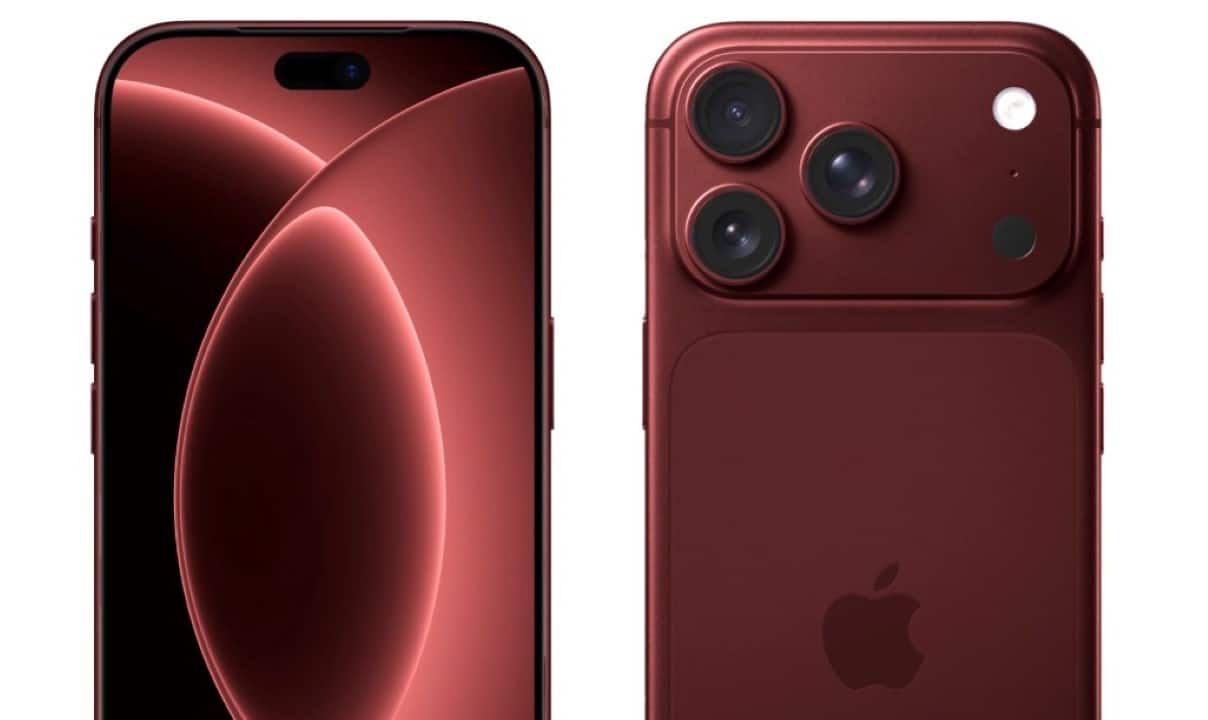
Apple has officially announced the arrival of the long-awaited iPhone 18 Pro on the international market, introducing radical changes to the device’s aesthetics and engineering. The highlight of the new smartphone is the adoption of a chassis with a translucent finish, a design choice that breaks with previous generations and allows you to view part of the internal components. In addition to the new look, the North American manufacturer equipped the device with a 5200 mAh battery, aiming to solve one of the biggest consumer demands for greater energy autonomy. Assembling the equipment required a complete restructuring of the production line to accommodate the new parts without compromising structural durability.
Aerospace materials and the new visual structure of the smartphone
To make the semi-transparent back possible, the development team used special glass that is highly resistant to drops and deep scratches. This aesthetic approach subtly harks back to the brand’s classic color computers era of the late 1990s, but now applied with the rigor of contemporary mobile technology. The phone’s body continues to employ aerospace-grade titanium around the edges, ensuring the overall weight of the product remains low even with the inclusion of a significantly larger and denser power cell.
The metal machining process has been improved to create a perfect fit with the innovative glass panel. This physical integration was designed not only for visual appeal, but also to facilitate the dissipation of heat generated by the high-performance parts that live inside the phone. The structure acts as a passive heatsink, transferring the internal temperature to the external environment in a controlled manner.
Processing leap and advanced cooling system
The heart of the new cell phone is a processor manufactured using 2-nanometer lithography, a significant advance compared to the 3-nanometer chips of the previous generation. This extreme transistor density delivers unprecedented computing power while simultaneously reducing electrical consumption during heavy tasks. To accompany this computational engine, the company increased the RAM memory to 12 GB, a fundamental specification for running artificial intelligence models directly on the device, without depending on cloud servers.
- Energy capacity of 5200 mAh with reformulated chemical architecture to withstand intense cycles of daily use.
- 12 GB RAM memory dedicated to local processing of machine learning and multitasking algorithms.
- 2 nanometer chip focused on electrical efficiency and very high speed of complex data execution.
- Internal vapor chamber combined with graphene sheets for thermal control during gaming and video rendering.
The implementation of the vapor chamber mentioned above solves the challenge of overheating, a common problem in ultra-thin devices. Thermal stress tests demonstrated that the cooling architecture maintains stable hardware temperatures, protecting battery integrity and preventing sudden drops in performance during prolonged use of demanding applications. An isolated security enclave ensures that biometric data and encryption keys are shielded from network intrusions.
Larger screens and biometric sensors hidden under the display
The catalog presents two size options for consumers, with 6.3-inch OLED displays in the standard model and 6.9 inches in the larger version. Microlens array technology has been incorporated into the panels to intensify maximum brightness in direct sunlight, while using less charge than traditional screens. The refresh rate remains adaptable, reaching up to 120 Hz to guarantee absolute fluidity in animations and web page scrolling.
One of the most notable engineering achievements in this edition is the 35% reduction in the size of the facial recognition module. The optical receivers and infrared sensors have been repositioned beneath the OLED screen, creating a nearly uninterrupted viewing surface. This change eliminates most of the front cutouts that marked past generations, offering a superior immersive experience when watching movies or viewing photographs in full screen.
Satellite connection and elimination of physical buttons
The device’s communication infrastructure received a radio frequency module capable of connecting directly to satellites in low Earth orbit. This functionality allows the exchange of messages and basic data in remote regions where the signal from conventional operators is non-existent. The operating system manages the transition between networks invisibly to the user, always prioritizing the most stable and fastest transmission route available at the time of the request.
In a bold move towards a fully sealed design, the manufacturer has removed the carrier chip tray, making the phone solely dependent on eSIM technology. The absence of mechanical components extends to the sides, where the traditional volume and power buttons have been replaced by solid-state touch areas. Small vibration motors provide precise tactile feedback, simulating the sensation of a real click without any moving parts subject to wear or dust and water intrusion.
Asian Manufacturing Logistics and Software Optimization
Assembly lines located in Asia operate at maximum capacity to meet global demand projected for the coming months. Assembling the camera modules and integrating the new motherboard requires a very high level of industrial precision, justifying massive investments in the supply chain. Logistics distribution was planned to ensure that stocks reach the main markets in the Americas, Europe and Asia simultaneously, avoiding supply bottlenecks at launch.
This entire suite of cutting-edge hardware works in sync with the onboard operating system, which has been rewritten to take advantage of 2-nanometer lithography. Software routines can now freeze inactive processes in the background much more aggressively, saving the 5200 mAh battery charge. The union of advanced physical parts and intelligent programming consolidates the device as a robust tool for both media consumption and daily professional productivity.





