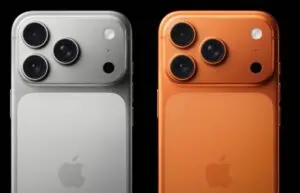
Focus on artificial intelligence makes Apple end production of three iPhone models by 2025
The North American electronics manufacturer is completely restructuring its smartphone catalog, with the goal of discontinuing the manufacture of three specific versions of its devices by the year 2025. This drastic change in commercial route reflects a profound review in the technology giant’s portfolio, which is now directing all its financial and engineering efforts towards the integration of advanced machine learning tools. The central objective is to ensure that the next devices leave the factory fully optimized for the new computing requirements.
The devices that will suffer the direct impact of this strategic reformulation make up a significant portion of the brand’s current sales, as their internal components are unable to run the systemic innovations planned for the future. The list of devices that will no longer be mounted includes:
- iPhone 14, which marked the end of the Mini variant in the company’s catalog.
- iPhone 14 Plus, introduced to meet demand for larger screens.
- Third generation iPhone SE, until now the most affordable entry point into the ecosystem.
The Cupertino corporation seeks to standardize its physical components to support the recently announced ecosystem, promising to radically transform the way the public interacts with mobile technology. By streamlining the assembly line, the brand is able to optimize its complex global supply chain, reducing logistics costs. Consequently, this marketing maneuver forces consumers’ attention directly to the most recent launches, increasing the average sales ticket.
On the same topic: Apple system update crashes cell phones and drains battery quickly
Technical requirements of the new operating system dictate the direction of production
The decision to halt the production of these three cell phones is intrinsically linked to the arrival of the brand’s proprietary generative artificial intelligence platform. Embedded in the next updates to the systems that power the company’s cell phones, tablets and computers, this technological novelty demands gigantic neural processing capacity. Older semiconductors, designed in an era where machine learning operated on a smaller scale, simply don’t have the brute force needed to handle this volume of simultaneous data.
Components such as the A15 Bionic processor, which exactly powers smartphones now threatened with extinction, lack the modern architecture required by the software’s more complex functions. To deliver features such as instant image generation, automatic text rewriting and a profoundly redesigned virtual assistant, the hardware needs to work in fine tune with the system. Without this harmony, the user experience would be compromised by slowdowns and crashes, something that the manufacturer refuses to deliver to its loyal audience.
To ensure the impeccable performance of these tools, the company is already planning a generational leap, leaving behind even recent silicon to focus on the A18 family of chips, which will be the heart of the iPhone 16 line. This strategic move goes far beyond the simple sale of physical parts, highlighting an absolute priority in information security. By ensuring that the heaviest algorithms run locally on the device itself, without depending on cloud servers, the company protects customers’ privacy against possible data leaks.
Hardware limitations mark the end of the line for popular devices
Launched on the global market in the second half of 2022, the base and Plus versions of the fourteenth generation were the last representatives of the main line to reuse the A15 Bionic chip, inherited from the previous year’s Pro models. Although they are still extremely competent equipment for browsing social networks, consuming videos and everyday photography, their specifications have aged quickly in the face of the new reality. The neural engine present on these cards does not meet the minimum requirements for RAM memory and calculation speed that cutting-edge functions require to run smoothly.
The definitive interruption in the assembly of these terminals establishes a clear boundary between the old guard of mobile telephony and the emerging era of cognitive smartphones. This portfolio segregation is not a mere technical detail, but rather a fundamental piece for the long-term survival and dominance of the brand. By forcing this transition, the technology giant educates the market about the new standard of requirements, isolating competitors who are slow to adopt the same deep integration.
See Also

French Revenue confirms data theft exposing 2 million taxpayer records

OpenAI announces Ultrafast mode for GPT-5.6 Sol with up to 14x acceleration

DeepSeek V4-Pro hits the market with up to 1,100% increase in API prices
More on this story: Apple launches iPhone 17 Air with 5.5 mm and system that makes stolen parts unusable
Following the same relentless logic, the 2022 edition of the company’s cheapest smartphone, which mixed a classically designed chassis with the same A15 processor, also found its operational limit. For a long time, it served as the perfect lure to attract new fans to the brand’s closed system, thanks to its competitive price. However, the physical impossibility of updating its innards to support the workload of artificial intelligence made its permanence unsustainable, consolidating the thesis that the company’s future has no room for outdated hardware.
Immediate impact on shelves and support for those who already have cell phones
For the millions of consumers around the world who already have one of these three models in their pockets, the transition will occur almost imperceptibly in the short term. The manufacturer has a solid and widely recognized track record of providing security updates and operating system fixes for a period often exceeding five years. This means that, even outside the assembly lines, devices will continue to operate with stability and protection against digital threats for a long time.
The scenario changes drastically, however, for those who planned to purchase these specific versions as new devices in official stores from 2025 onwards. The planned shortage on the shelves will directly impact the devaluation of these models on the used market, changing the resale dynamics that have always favored the brand. Consequently, consumers looking to change cell phones will naturally be pushed towards shop windows that display the most expensive new releases, already properly equipped with the latest generation tools.
The race for technological dominance and the transformation of user experience
With this bold move, the California-based company seeks to regain the forefront of the mobile device sector, a territory that had been threatened by Asian rivals. The company’s management is betting all its chips on the premise that absolute control over chip manufacturing and software programming will be the great competitive differentiator of the next decade. It is this exclusive tune that promises to deliver results that fragmented platforms will have extreme difficulty copying with the same efficiency.
Full coverage: Latest News (EN)
Innovations based on generative algorithms are about to rewrite the rules of how humanity interacts with touch screens, promising a digital routine that is much more proactive and tailored to individual habits. By sacrificing products that still generate profit in favor of a vision of the future, the brand demonstrates that it is willing to make difficult decisions in order not to lose relevance. In a scenario where technological advancement occurs at breakneck speed, clinging to the past is no longer a safe option for those who want to lead the global market.