
Karina Lucco, mother of Lucas Lucco, regrets the return of alopecia areata after initial improvement

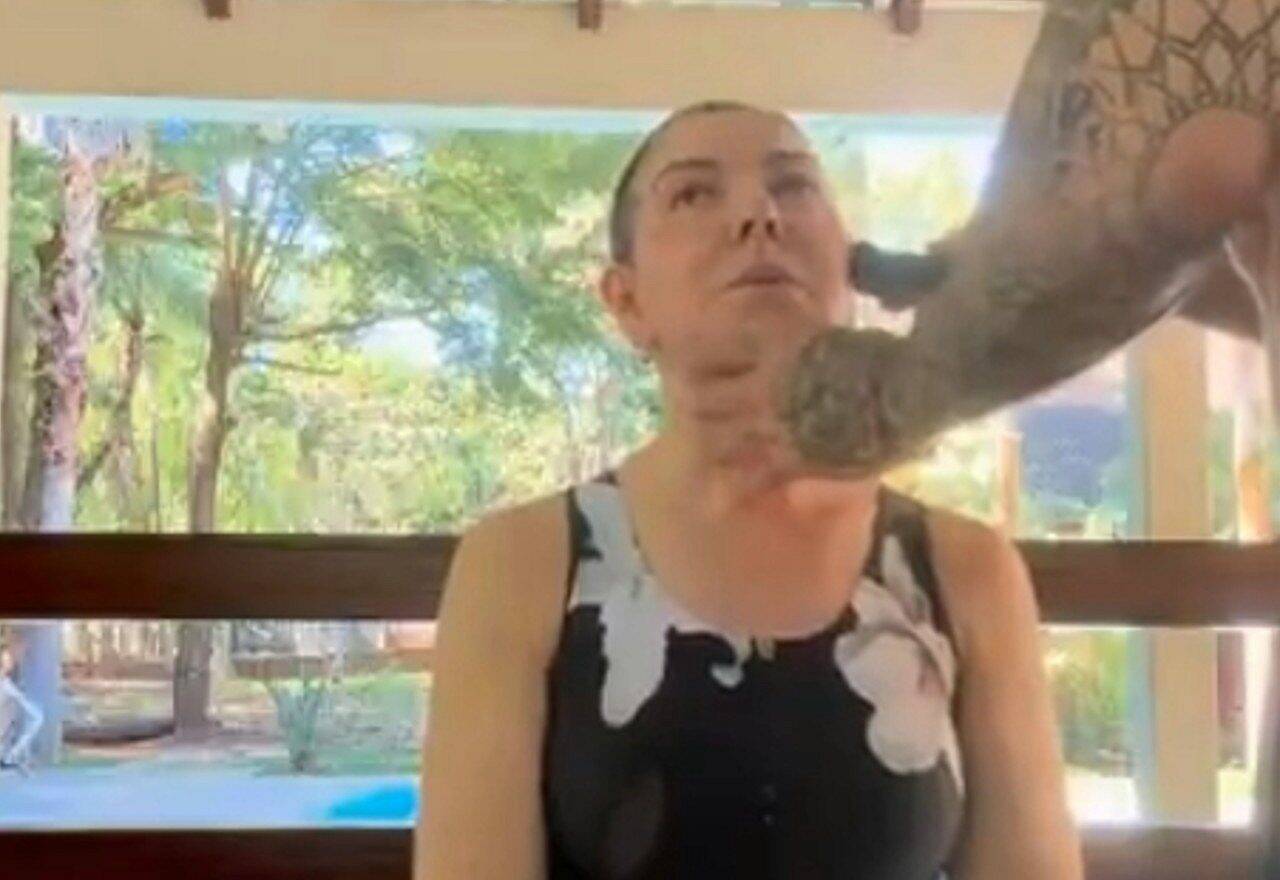
Influencer Karina Lucco, 49 years old, mother of singer Lucas Lucco, vented on social media on Wednesday, July 9, 2026, about sad news: the recurrence of alopecia areata. A few weeks after celebrating the significant improvement in her treatment against the autoimmune disease, she revealed that she had lost her hair again and expressed deep sadness at the setback in her journey.
The beginning of the battle and the unexpected relapse
Karina shared an emotional video with her followers, which showed a large number of strands coming loose from her hair. She explained that the relapse of alopecia areata took her by surprise, especially after a period of hope and good results achieved in the treatment.
Since the initial diagnosis, which manifested itself with a first patch on her scalp and progressed to universal alopecia areata, the influencer has openly documented every phase of her recovery. She uses her platform to inform and inspire others facing the same condition.
Rapid worsening and medical confirmation
The progression of hair loss was alarming, according to Karina. In a short period of just one week, “many faults opened” and the hairs continued to fall out, showing a rapid worsening of the condition.
After a consultation with her doctor, Dr. Talita Carlesso, from Instituto Carlesso Capilar, the influencer received confirmation that it was, in fact, a recurrence. This situation, as the professional explained, can occur in patients, especially when treatment is still in its early stages, reinforcing the unpredictable nature of autoimmune diseases.
The frustration of starting over and the new treatment plan
Faced with the news, Karina Lucco confessed to being “sadder now than the first time”. The feeling of a fresh start is a significant psychological challenge for anyone who has gone through a long treatment and recovery process and is faced with a setback.
She needed to resume a corticosteroid regimen, a medication that she hopes to use only during this crisis phase, looking for long-term alternatives that do not depend on the substance continuously. The influencer highlighted the importance of not letting yourself be overcome by sadness, maintaining faith and courage to continue treatment.
The fundamental role of the family and medical team in supporting
In the midst of this new challenging period, Karina found an unshakable foundation in the support of her family. Once again, her son, singer Lucas Lucco, showed his affection and support by taking on the task of shaving his mother’s head again. This gesture, full of symbolism, reinforces family unity and the importance of welcoming in moments of vulnerability.
The influencer also made a point of publicly thanking the Instituto Carlesso Capilar team and Dr. Talita Carlesso, recognizing their care and dedication in her journey, even in the face of setbacks. She highlighted that, despite the changes along the way, hope and confidence in the process remain.
Understand alopecia areata and the reasons for recurrence
Alopecia areata is an autoimmune condition that causes hair loss in different areas of the body, being most common on the scalp. Unlike other types of hair loss, it occurs when the immune system mistakenly attacks hair follicles, causing hair growth to stop. A striking aspect of the disease, evidenced in the case of Karina Lucco, is its unpredictable nature, characterized by:
- Remissions and relapses: The disease may have periods of spontaneous improvement or with treatment (remission), followed by new bouts of decline (relapse).
- Triggering factors: Stress, infections or other factors can “activate” the condition again in predisposed individuals.
- Psychological impact: The instability of the disease and visible hair loss often cause great emotional and psychological distress to patients.
- Continuous treatment: The management of alopecia areata often requires prolonged medical monitoring and the adaptation of therapeutic strategies as the condition progresses.
The influencer’s experience highlights the complexity of the diagnosis and the need for resilience, reinforcing that the path to recovery is not always linear and can present unexpected challenges.



