
Leak reveals design of the first Ultra foldable iPhone with 5,800 mAh battery and crease-free screen

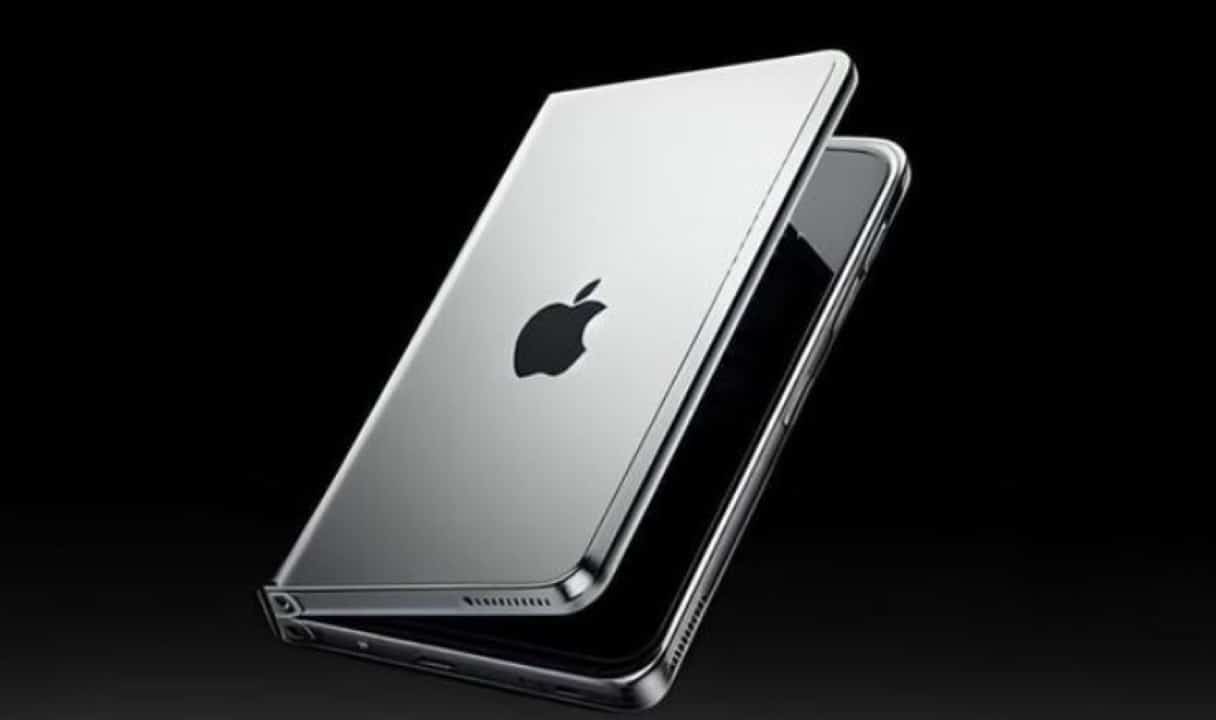
Audiovisual content recently published on YouTube brought to light unprecedented three-dimensional projections that illustrate the likely look of Apple’s long-awaited flexible cell phone. Unofficially named iPhone Ultra, the device promises to hit the market with a state-of-the-art articulation mechanism, specifically designed to almost completely eliminate the fold mark on the display.
The graphic representations detail an extremely thin chassis, measuring just 9.5 millimeters when closed and an impressive 4.5 millimeters in its expanded form, measures that put it at an advantage against most current competitors. To meet different usage profiles, the North American manufacturer plans to provide interface configurations that adapt to both narrower displays and wider panels.

- Closed device thickness: 9.5 mm
- Open device profile: 4.5mm
- Estimated energy capacity: 5,800 mAh
- Main photo sensor: 48 megapixels
The leaked material highlights the presence of a 48-megapixel ultra-wide-angle lens, aligning the new hardware with the photographic standards of the brand’s next generations of cell phones. On the software side, the operating system should inherit the iPad’s multitasking dynamics, allowing consumers to operate two applications simultaneously with total fluidity on the expanded screen.
Flexible screen engineering promises to eliminate competitors’ main flaw
According to video analysis, the panel’s central depression measures around 0.15 millimeters, a practically imperceptible number compared to the deep creases found in rival models that are already in stores. This technical advancement results from a strategic partnership that involves the supply of Samsung screens, gears built with liquid metal and structural components manufactured using 3D printing.
The union of these high-tech materials has the clear objective of guaranteeing a prolonged useful life without compromising the thickness of the final product. Reports from the production chain also point to the adoption of a double glass coating, combining UTG and UFG technologies, which reinforces resistance against impacts and scratches without adding extra weight to the phone.
The internal space of the display has been optimized to facilitate productivity, including a slider on the left side that facilitates quick switching between active windows. This ability to run two software side by side natively represents a paradigm shift, as the company’s traditional smartphones have never offered this level of screen splitting.
Chassis dimensions put the project ahead of future Samsung generations
When fully unfolded, the device’s appearance is very close to the trends projected for the future of mobile telephony. The thickness of 4.5 millimeters is less than the 5.6 millimeters speculated for the unreleased iPhone Air, in addition to directly rivaling the 4.2 millimeters expected for the Galaxy Z Fold 7, showing Apple’s aggressiveness in the search for the thinnest device.
To support this slender structure, the engineers chose to use an improved titanium alloy, a material recognized for its excellence in durability and lightness. The choice of this noble metal seeks to deliver a perfect balance, ensuring that the user has robust equipment for everyday use without the hassle of carrying excessive weight in their pocket.
Power autonomy exceeds the historical average for the foldable category
The power tank designed for 5,800 mAh represents a monumental leap, especially considering that heavy rivals, such as the Galaxy Z Fold 6, parked in the 4,400 mAh range. This generous battery reserve was designed precisely to support the high consumption generated by the lighting of two independent screens, ensuring that the phone remains away from sockets during an entire day of intense use.
The brain of the operation will be a processor with an unprecedented architecture, manufactured using the 2 nanometer process, guaranteeing a thermal efficiency superior to the current A18 Pro chips. The rear optical assembly will be led by a 48 megapixel sensor, accompanied by a wide-angle lens of the same capacity, forming a versatile photographic kit for professional captures and video recording in very high resolution.
Visual identity preserved in a completely redesigned format
The conceptual images make it clear that the manufacturer made a point of maintaining its classic design language, adapting the minimalist lines to the new articulated reality. The folding mechanism has been redesigned from the ground up to ensure that the natural wear and tear of time does not make the central mark more evident, preserving the product’s premium aesthetic in the long term.
The navigation interface was entirely rewritten to understand the exact moment the user opens or closes the device, adjusting applications instantly without any hiccups. This intelligent transition between compact and tablet modes is the brand’s main bet to stand out in a sector where software often does not keep up with hardware evolution.
Cutting-edge materials seek to solve the sector’s chronic problems
Sources linked to Asian factories confirm that the overlapping of thin layers of glass is the solution found to shield the malleable display against accidents. The integration of liquid metal hinges with parts machined in three dimensions guarantees millimeter precision, essential to withstand thousands of opening and closing cycles without showing gaps.
All of these structural innovations directly target the most frequent complaints from consumers of flexible devices, who tend to report premature breakdowns and gear failures. The ultimate goal is to deliver a luxury experience, where mechanical reliability is at the same level as the price charged for the device.
To date, the headquarters in Cupertino has maintained absolute silence and has not officially confirmed the existence of the project or any launch schedule. Technical details continue to emerge exclusively through market analysts and informants infiltrated in the assembly lines of partner companies.
The eventual arrival of the iPhone Ultra marks the company’s definitive response to the growing niche of transformable phones, promising to raise the industry standard. With significant advances in load capacity, size reduction and system optimization, the model has the potential to redefine what consumers expect from this category.



