
Why did Morocco’s selection of Ayyoub Bouaddi become a crisis for the France team?

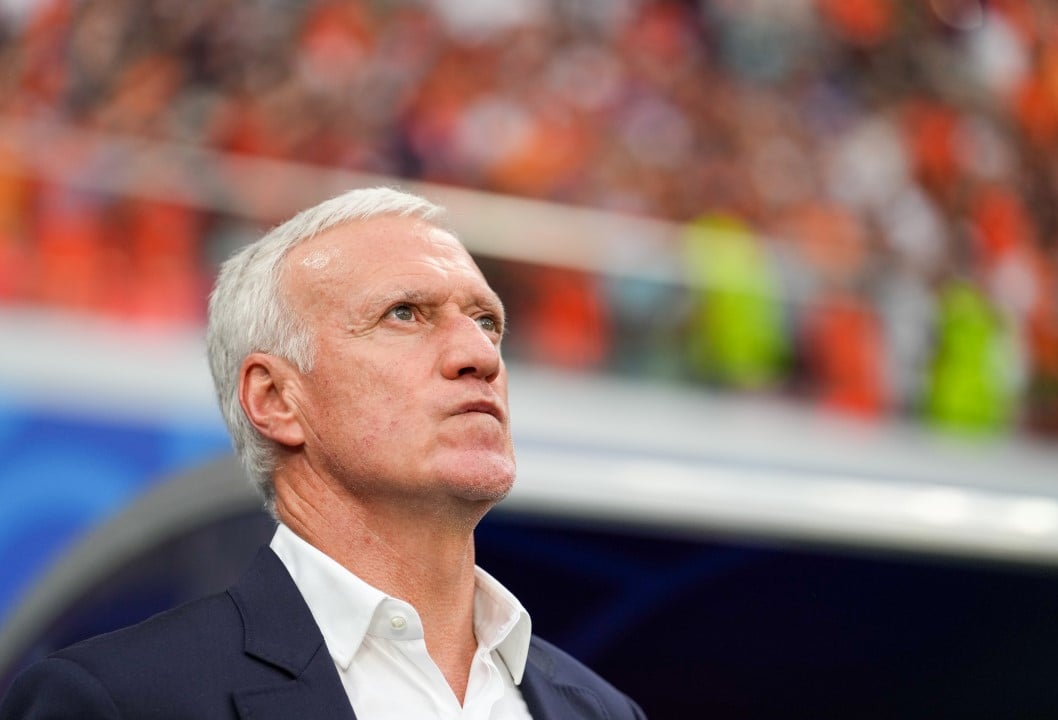
On Wednesday, July 8, 2026, the decision of Ayyoub Bouaddi, an 18-year-old athlete who stood out in Brazil’s debut at the World Cup, to defend the Moroccan team instead of France, generated strong criticism from Jérome Rothen, a former French player, to coach Didier Deschamps. Rothen argued that both the coach and the federation should have made an effort to maintain direct contact with the young man to convince him to remain in the French team.
“Didier Deschamps’ statements shock me,” said Rothen. The former PSG player, champion of the Confederations Cup in 2003, emphasized that it was not necessary to wait for Bouaddi’s performance against Brazil to recognize the athlete’s precocious talent. Currently, Rothen works as a sports commentator.
Bouaddi has an extensive history with France’s youth teams. He played 8 matches for the under-16 category, 5 for the under-17, 3 for the under-18 and 1 for the under-20. In addition, he played 10 games for the under-21 team between November 2024 and March 2026, during which time he became captain.
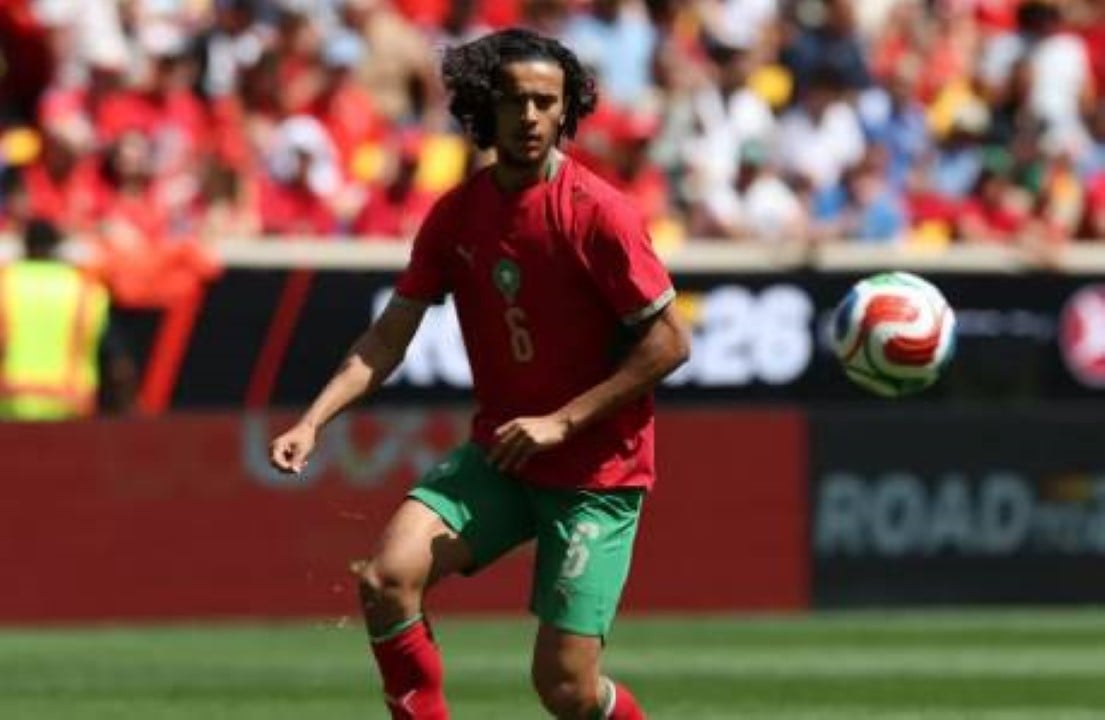
Information released internationally indicates that the Moroccan federation, known as the Lions of the Atlas, worked for months to convince the young man, holding meetings with his family, with the aim of having him at the World Cup. Bouaddi’s naturalization was only finalized in May, which allowed him to be on the field for the African country, even though he was included in Deschamps’ expanded list.
Rothen reinforced that, when there is a young talent playing in the French championship and who has always defended the youth teams, it is the responsibility of the coach, the technical committee, the president of the Federation and the people involved to get in direct contact with the athlete. The objective would be to communicate to the player that France was counting on him and would monitor his development for a future call-up to the main team.
Bouaddi’s case, however, is far from isolated. The 2026 World Cup reveals that 76 players born on French soil chose to play for other teams. This scenario is a reflection of the strong immigration and historical ties maintained by France, mainly with African nations. Morocco is among the countries benefiting from this trend, as are Algeria, Senegal, Tunisia and Ivory Coast. Algeria even leads this list, with 13 athletes born in French territory in its squad. Next are Haiti, with 12, and the Democratic Republic of Congo, with 11.



