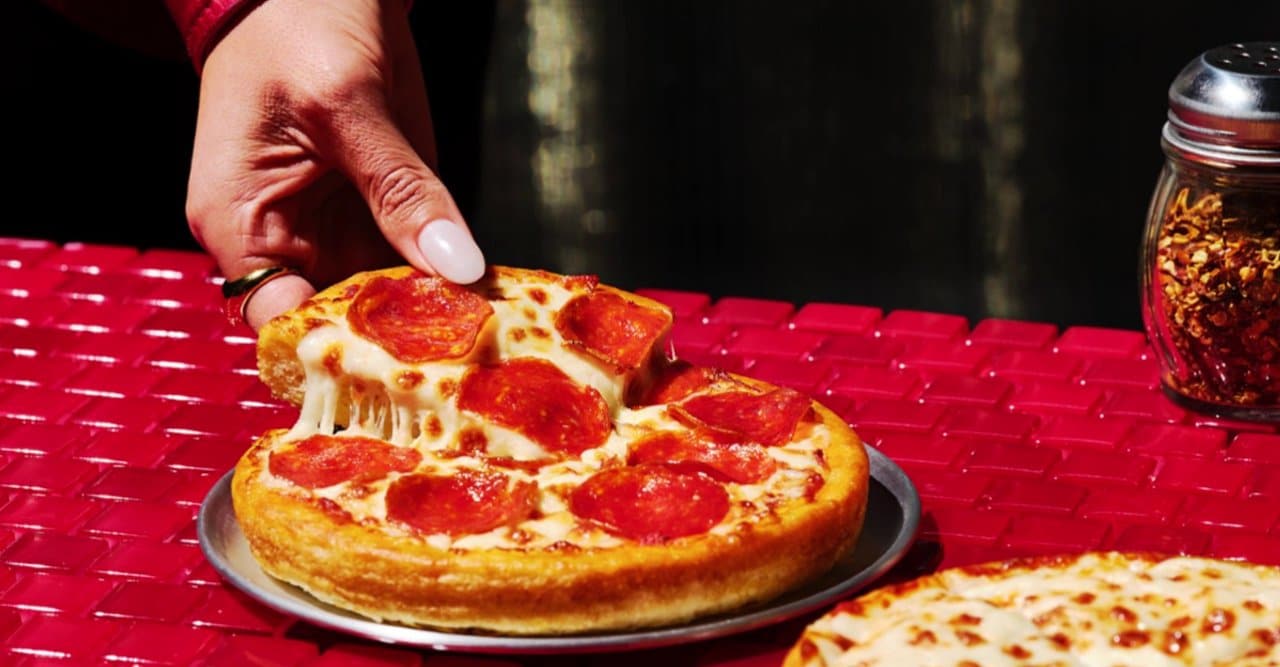
In thisThursday, July 10, 2026, the world comes together to celebrate World Pizza Day, a date that honors one of the most beloved and versatile dishes in global gastronomy. The celebration not only celebrates the delicious combination of dough, sauce and cheese, but also the rich history and impressive ability of pizza to adapt and thrive in different cultures around the globe. From its humble origins as a staple food, pizza has evolved into a culinary phenomenon that moves billions and unites people across the planet.
The ancient origin of pizza: from ancient breads to the Neapolitan classic

The history of pizza is much older than many imagine, with deep roots that date back to ancient civilizations. Historical records indicate that people such as the Egyptians, Greeks and Romans already consumed flat breads with different toppings, serving as distant precursors to what we know today. These breads, often seasoned with herbs and olive oil, were practical and nutritious foods, consumed by all social classes. This Mediterranean tradition of flat breads was the breeding ground for the emergence of modern pizza.
The birthplace of pizza, as we know it today, is the city of Naples, in southern Italy, during the 18th century. At that time, pizza was mainly a street food, accessible to the poorest population and sold by street vendors. The combination of bread dough, tomatoes (an ingredient that had arrived from the Americas and became popular in local cuisine) and simple cheese quickly won over the taste buds of Neapolitans, becoming a symbol of the region’s culinary identity.
A crucial milestone in the history of Neapolitan pizza occurred in 1889, when pizza chef Raffaele Esposito was asked to prepare a pizza for Queen Margherita of Savoy and King Umberto I. Esposito created a pizza in the colors of the Italian flag — red (tomato), white (mozzarella) and green (basil) — which was named Pizza Margherita in honor of the queen. This event not only elevated pizza’s status from popular food to a dish fit for royalty, it also solidified the Margherita recipe as a timeless classic, influencing generations of pizza makers.
How pizza conquered the world: expansion and cultural adaptations
The true globalization of pizza began in the late 19th and early 20th centuries, driven by the great wave of Italian immigration to other parts of the world. Immigrants took their culinary traditions with them, and pizza found a new home in countries like the United States. In cities with large Italian communities, such as New York and Chicago, the first pizzerias began to appear, initially serving immigrants themselves.
In the United States, pizza has undergone an Americanization process, adapting to local tastes and available ingredients. This gave rise to distinct styles, such as New York pizza, with its thin, crispy crust, ideal for folding and eating on the street, and Chicago pizza, known for its thick crust and deep, almost pie-like filling. These variations demonstrate the dish’s flexibility and its ability to absorb cultural influences.
Pizza’s popularity exploded after World War II, when American soldiers returning from Italy brought with them their appreciation for the dish. With the spread of pizzeria chains and the arrival of frozen pizza, the dish became a staple in the American diet, later expanding to the rest of the world. Today, it’s difficult to find a country that doesn’t have its own version of pizza, often incorporating local ingredients and culinary techniques, making it a true gastronomic chameleon.
The Most Iconic Flavors in July 2026: A Global Gastronomic Journey
In July 2026, the diversity of pizza flavors around the world reaches an impressive level. While the classic Margherita continues to be a standard of excellence, new ingredients and combinations are constantly emerging. The search for authenticity and, at the same time, innovation drives the pizza scene, offering options for all palates.
Among the “best pizzas in the world” for this year, Neapolitan tradition still reigns supreme for many purists. Verace Neapolitan Pizza, certified by the Association of True Neapolitan Pizza (AVPN), with its San Marzano tomato sauce, buffalo mozzarella and fresh basil, continues to be a benchmark for simplicity and quality. Its long-fermented dough, baked quickly in a wood-fired oven, results in an airy edge and a soft, moist center.
For those looking for innovation, the gastronomic scene of 2026 points to some clear trends. Pizzas with seasonal and locally sourced ingredients are trending. For example, in cities like San Francisco, you can find sourdough pizzas with toppings that include artisan cheeses from small producers, locally harvested wild mushrooms, and seasonal organic vegetables. This approach values sustainability and fresh taste.
Another aspect that is gaining strength is gourmet pizzas, with sophisticated and unusual combinations. In Tokyo, for example, chefs are reinventing pizza with elements of Japanese cuisine, such as fresh seafood, fish roe, nori seaweed and a subtle touch of wasabi, all on a thin, crispy crust. This fusion of cultures creates a unique and surprising taste experience, defying traditional pizza expectations.
Beyond the margherita: innovations and trends in contemporary pizza
The creativity of pizza chefs in 2026 goes far beyond European borders. In India, for example, pizza is often adapted with local spices such as tandoori chicken, paneer tikka and spicy sauces, reflecting the richness of Indian cuisine. These pizzas are popular and have become a staple in many Indian cities, showcasing the dish’s ability to absorb and complement regional flavors.
In Brazil, pizza has established itself with its own characteristics, presenting a wide range of sweet and savory flavors that would be difficult to find in other countries. In São Paulo, for example, chicken pizza with catupiry is an undeniable classic, as are sweet pizzas with chocolate, banana and cinnamon, or even ice cream. This openness to bold combinations makes Brazilian pizza a universe in its own right.
Concern for health and well-being also shapes pizza innovations. In 2026, the vegan and gluten-free market for pizza is more robust than ever, with doughs made from cauliflower, chickpeas or rice, and toppings based on plant-based cheeses, exotic mushrooms and a variety of fresh vegetables. These advancements allow a wider audience to enjoy pizza without compromising their food choices or dietary restrictions.
Pizza in Brazil: tradition and creativity in each slice
Brazil stands out as one of the largest consumers of pizza in the world, and São Paulo is often cited as one of the cities with the most pizzerias per inhabitant, even surpassing Naples in some aspects. The arrival of pizza in the country, mainly through Italian immigrants in the late 19th and early 20th centuries, transformed the national gastronomic scene.
Brazilian pizza has developed its own identity, characterized by the generosity of toppings and the enormous variety of flavors. While in Italy simplicity is valued, in Brazil inventiveness takes over. Flavors such as pepperoni, Portuguese, four cheeses and chicken with catupiry have become absolute classics, present in practically every pizzeria in the country.
In addition to the savory flavors, sweet pizza is a typically Brazilian invention that has won the hearts of consumers. Combining thin crusts with chocolate, fruits, dulce de leche and ice cream, these pizzas are served as dessert and have become an icon of local culinary creativity. This fusion of cultures and the freedom to create new flavors solidified pizza as an essential dish on Brazilian tables.
Economic and social impact: the strength of pizza in the world market
The global pizza market is an economic powerhouse, with an estimated value exceeding hundreds of billions of dollars by 2026. The industry includes everything from small mom-and-pop establishments to large multinational chains, food delivery companies and frozen product manufacturers. Pizza’s ease of preparation, versatility and universal appeal ensure its constant demand.
Pizza is not just a food; she is a social catalyst. It’s the favorite food for family gatherings, birthday parties, movie nights and get-togethers with friends. Its shareable nature and variety of options allow everyone to find a flavor they like, making it ideal for convivial moments and celebrations. This social dimension contributes significantly to its popularity and continued success.
The pizza delivery sector, in particular, has experienced exponential growth in recent years and remains strong in 2026, driven by the convenience of digital platforms and changing consumer habits. The ability to order a pizza with just a few clicks and have it delivered to your home quickly has made the dish even more accessible and desired, consolidating its position as a practical choice for everyday and special meals.
The future of pizza: sustainability, technology and personalization for 2026
Looking ahead, pizza trends in 2026 point to continued evolution driven by sustainability issues, technological advances and a growing demand for personalization. Consumers are increasingly aware of the origin of their food and the environmental impact of production. This translates into a demand for organic, fair trade and locally produced ingredients.
Technology plays a key role in modernizing the pizza industry. Intelligent ovens that optimize cooking, robots that prepare pizzas with precision and autonomous delivery systems are already realities or are in an advanced stage of development. These innovations aim to improve efficiency, reduce costs and ensure an even faster and more consistent experience for the consumer.
Personalization is another dominant trend. Pizzerias in 2026 increasingly offer the option of assembling your own pizza, choosing from the type of dough (traditional, wholemeal, gluten-free), the sauce (tomato, pesto, white), the cheese (mozzarella, provolone, vegan) and a wide range of toppings. This freedom of choice allows each customer to create the perfect pizza for their individual taste, making each experience unique. World Pizza Day 2026 is a reminder that this dish, born of simplicity, continues to reinvent itself, maintaining its pride of place in the hearts and palates of billions around the world.