
Ubisoft Barcelona fires 51 employees despite the success of Assassin’s Creed Black Flag RE:Synchro

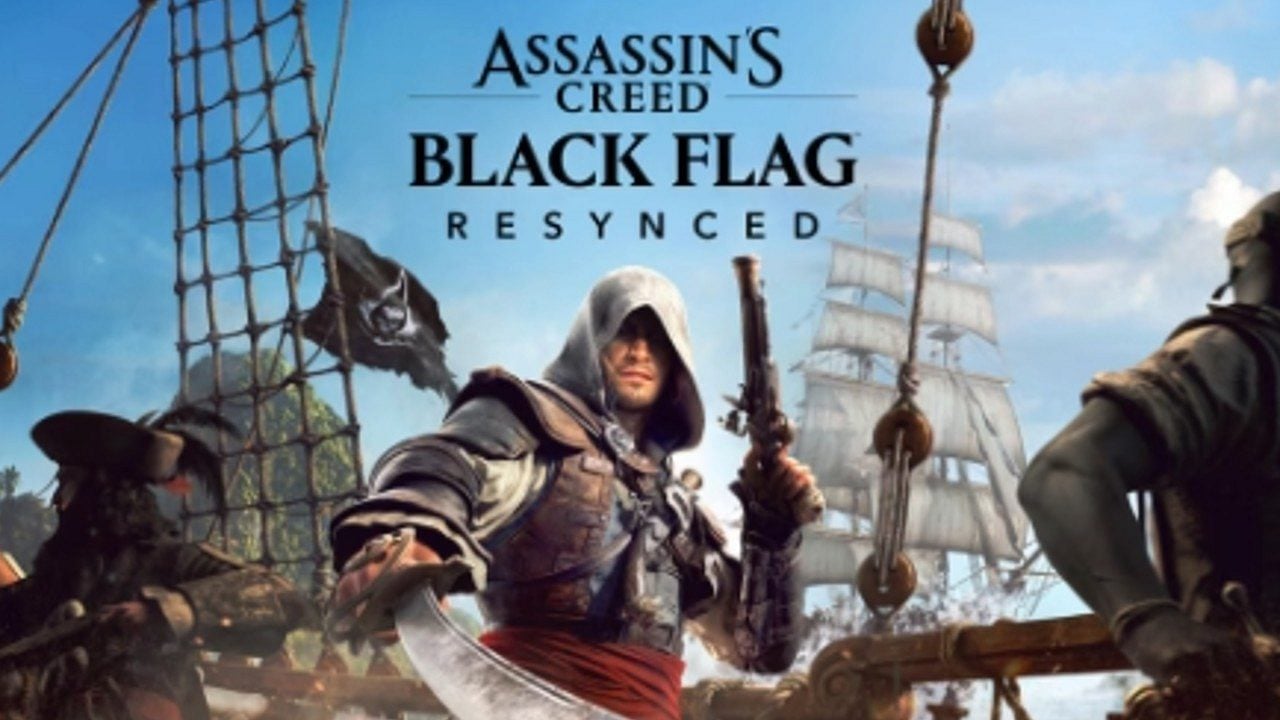
Fifty-one employees at Ubisoft Barcelona, involved in the development of “Assassin’s Creed Black Flag RE: Synchro”, were terminated by the company, despite the game’s promising launch. The layoffs were formalized on June 10, 2026, sparking debate in the industry about job security.
The re-release of “Assassin’s Creed 4”, titled “Assassin’s Creed Black Flag RE:Synchro”, has demonstrated resounding success since its debut. Within the first hour of launch, the title reached around 100 thousand simultaneous users on the Steam platform, marking the largest number of players connected at the same time for a game from the “Assassin’s Creed” saga on the platform.

This impressive performance, which also secured the first position in global sales on Steam, contrasts with the situation of the 51 employees who lost their positions on the Barcelona team.
According to information obtained from former employees, the layoffs, communicated in June, were already in the company’s plans. They reported that the decision would be maintained regardless of the game’s performance in the market.
The measure reflects a recurring practice by Ubisoft, which tends to allocate its teams to future projects even before the current ones are completed, sometimes a year in advance. This strategy can generate uncertainty, as in the case of the Barcelona team, which expressed fear of being left without a new project until mid-2025 and, in fact, did not receive any new assignment. This approach raises questions about employment continuity in a sector with long and often unpredictable development cycles.
Even with the great expectations and the high volume of pre-sales before its arrival to the public, the team responsible for the game was demobilized. The 51 workers were laid off a few days after the final delivery of the project.
One of the affected professionals, who preferred to remain anonymous, described the layoffs as part of a series of persistent problems in the company’s environment. According to him, the situation is not an isolated case, but a reflection of unequal treatment, loss of talent, forced dismissals that erode labor rights and a hierarchical management culture that limits employees’ voice.
In a further development, the official opening of the studio, which was planned, was cancelled. In its place, a simple get-together was organized, with snacks, held on the premises.
Faced with this scenario, employees did not sit idly by and began strikes.
The Coordination Committee of the Videogame Workers Union announced that Ubisoft Barcelona employees would carry out strikes every Tuesday and Thursday in the afternoon. The strikes were scheduled between June 30 and July 16, totaling six protests over three weeks, as a way of expressing dissatisfaction with the treatment received.





