

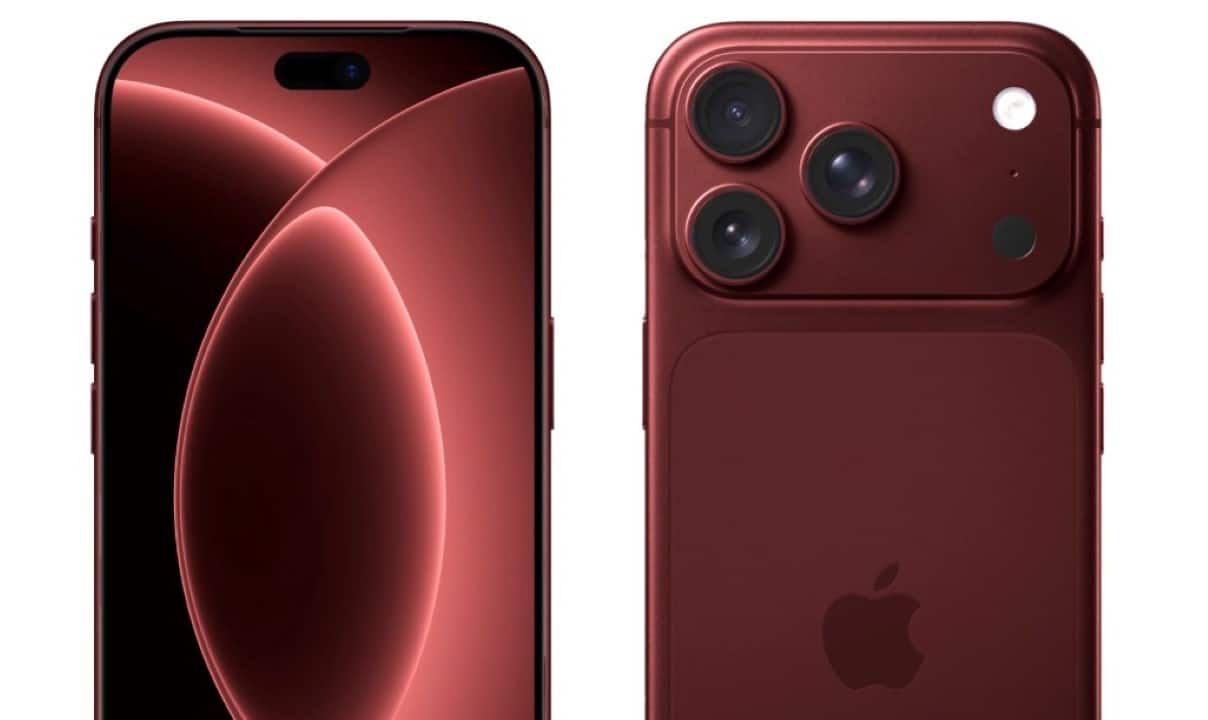
The Cupertino giant surprised the technology sector by revealing an unprecedented mobile device, characterized by a completely translucent rear panel. Developed with a focus on the global consumer, Apple’s new device allows users to view internal components with the naked eye. This aesthetic approach breaks with the brand’s traditional standards, ushering in a bold phase in premium hardware design.
Radical innovations in structure and manufacturing materials
To guarantee the durability of this new visual proposal, the manufacturer chose to use extremely high resistance glass against scratches and impacts on the back. The chassis that surrounds the equipment is forged from aerospace-grade titanium, providing surprising lightness without compromising robustness. This combination of elements not only delivers a futuristic look, but also ensures that the phone withstands accidental drops in everyday life.
The crystal-clear finish highlights crucial parts, such as the MagSafe system’s magnetic coil and other charging circuits. Even adopting this transparency, the company managed to incorporate subtle tonal variations in the glass, offering color options that maintain the line’s characteristic elegance. The result is a sophisticated look that mixes exposed engineering with industrial art.
In addition to the changes to the cell phone’s body, the sustainability strategy gained strength in the packaging that accompanies the product. The box has been drastically reduced and is now made entirely of recycled materials, eliminating single-use plastics. This initiative is part of the company’s environmental commitment to zero its carbon footprint by the end of the decade, also optimizing international transport logistics.
Increased energy capacity and new cooling system
One of the biggest highlights of the launch is the inclusion of a massive 5,200 mAh battery, setting a new autonomy record for the brand’s devices. For comparison purposes, previous high-end models, such as the iPhone 15 Pro Max, had approximately 4,422 mAh, which represents a substantial jump in energy capacity. This component guarantees long hours of continuous use, perfectly supporting the demands of heavy applications and media consumption.
Due to the significant increase in energy and firepower, engineers needed to completely redesign the equipment’s thermal architecture. The solution found was the implementation of an advanced vapor chamber, designed to dissipate the heat generated by the processor quickly and efficiently. With this technology, the smartphone avoids sudden drops in performance during intense gaming sessions or video recordings in very high resolution.
Extreme processing power driven by artificial intelligence
The brain behind this entire operation is a cutting-edge chip manufactured using the 3-nanometer process, which delivers unprecedented execution speed. To accompany this powerful engine, the device comes equipped with 12 GB of RAM, a robust configuration that facilitates fluid multitasking. This hardware structure was meticulously designed to run complex machine learning models directly on the device.
Artificial intelligence now acts natively and deeply within the operating system, anticipating user needs and optimizing daily routines. From intelligent power management to automatic file organization, the software learns from usage patterns to deliver a highly personalized experience. Among the main capabilities enabled by this integration, the following stand out:
- Simultaneous language translation and improved voice recognition in real time, without relying on the internet.
- Generative photo editing tools and native support for manipulating videos at extreme qualities.
- Dynamic optimization of graphics resources to ensure the best frame rate when running heavy games.
- Predictive monitoring of battery health, adjusting energy consumption according to the owner’s behavior.
The privacy of personal information remains a top priority, and the new AI architecture reinforces this pillar by processing sensitive data locally. By avoiding constantly sending information to cloud servers, the phone protects messages, passwords and biometrics against possible external interceptions. This local computing model guarantees instant responses and shields the user’s digital ecosystem.
Expanding the display and hiding front sensors
The front panel has also undergone a notable redesign, featuring an increase in dimensions that now range from 6.3 inches in the standard model to an imposing 6.9 inches in the premium version. The screen uses very high brightness OLED technology, capable of reproducing vibrant colors and deep contrasts even in direct sunlight. Additionally, the adaptive refresh rate provides extremely smooth navigation in any scenario.
To maximize the use of visual space, the company managed to miniaturize the facial recognition components and the selfie camera lenses. These elements now occupy a significantly smaller cutout at the top of the display, merging more naturally with the software interface. There are also confirmed rumors that secondary sensors have been placed under the screen, creating almost total immersion for those watching movies or playing games.
Photographic evolution and new global connectivity standards
The rear optical assembly has received substantial updates, focusing especially on capturing images in poor lighting environments. Larger lenses and state-of-the-art sensors work together to absorb more light, reducing visual noise and delivering detail-rich night photos. The optical zoom system has also been improved, allowing extreme approximations without the loss of quality characteristic of digital zoom.
In terms of communication, the device is prepared to operate on the fastest 5G networks available around the world, guaranteeing instant downloads and uninterrupted video calls. An important differentiator is the expansion of satellite communications technology, which now allows text messages and location data to be sent in remote areas. This emergency feature makes the device a vital tool for adventurers and frequent travelers.
The assembly lines are already operating at maximum capacity to meet the enormous demand expected in the coming weeks in the international market. Quality control at factories has been intensified, using precision robots to inspect every millimeter of the clear glass and titanium chassis before packaging. All this manufacturing rigor aims to ensure that the final product reaches consumers without any structural or software failure.





