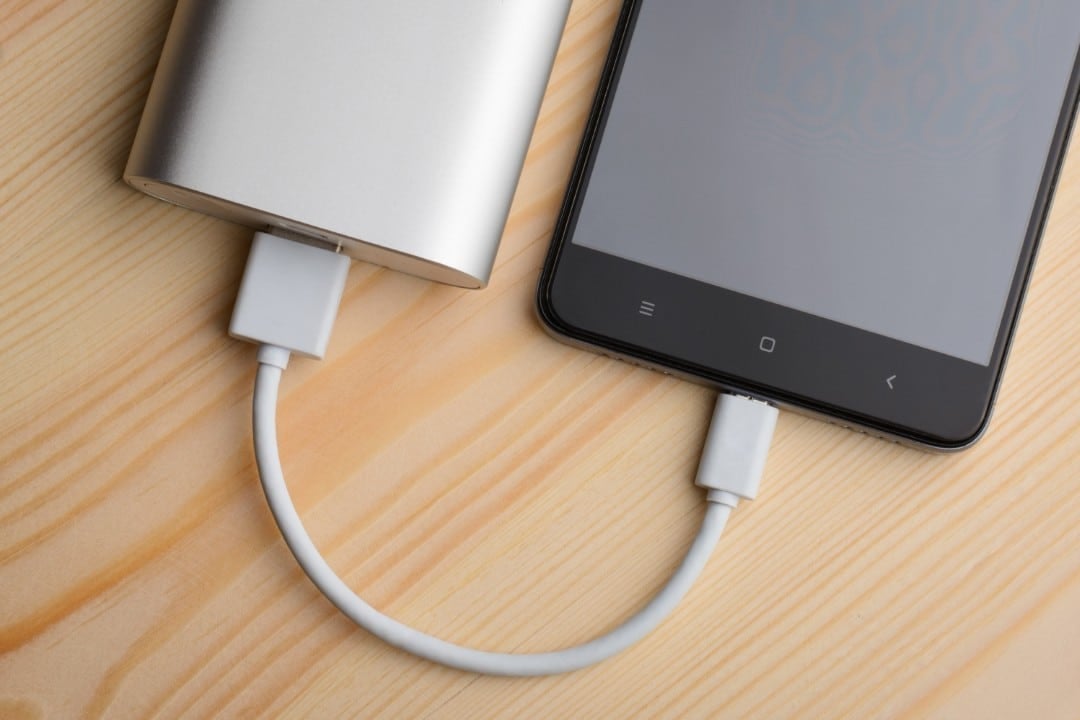
The dependence on smartphones for work, communication and leisure has turned lack of charge into a critical problem in contemporary routine. To avoid digital isolation during long trips or extended journeys away from the office, external batteries have become mandatory equipment in backpacks. When purchasing equipment of this type, the consumer needs to analyze essential variables, including the speed of energy transfer, the weight of the product and compatibility with their devices.
A detailed survey separated seven energy storage devices that dominate the current market, delivering solutions for different usage profiles. The catalog ranges from low-cost alternatives aimed at simple demands, exemplified by the Basike B-078E priced at R$75, to high-tech equipment, such as the Anker A1664, sold for around R$422 and recognized for its superior durability.
Having an extra power source in your pocket ensures peace of mind for individuals who demand the most from their displays and processors away from an outlet. The selection presented below is directly based on the experiences documented by buyers on the country’s main e-commerce platforms. Considering that the average battery for modern cell phones in 2026 is around 5,000 mAh, choosing the correct capacity defines how many times the user will be able to revive their device from scratch.
Main external battery options available on the market in 2026
Understand the cost-benefit delivered by the Basike B-078E model
Basike’s device stands out as a smart financial alternative for those who need a robust volume of energy, housing 20,000 mAh and providing up to 22.5 W of power through its USB-A connection. The great structural attraction lies in the presence of built-in wires in the Lightning and USB-C standards, eliminating the need to carry loose cables. An integrated light panel informs you of the exact amount of charge available in the energy tank.
To replenish the equipment itself, the USB-C input accepts currents of 18 W, while an internal circuit blocks voltage spikes and excessive heating. Weighing 280 grams and measuring 149 x 69 x 19 millimeters, the product is certified by the National Telecommunications Agency and authorized for boarding in aircraft cabins. Found for prices close to R$75, the accessory boasts highly positive reviews from consumers who attest to its ability to fill a phone’s battery up to five consecutive times.
The density of the component, however, generates complaints among people who prefer to carry small bags, as the weight becomes noticeable during long walks.
- Positive points: excellent cargo volume for the price charged; factory built-in wires; percentage display; official approval from regulatory bodies.
- Negative points: heavy structure; It takes considerable time to fill the battery itself at the socket.
Details of the ultra-thin design present in the i2GO I2GBAT011 charger
i2GO’s proposal focuses on extreme portability, delivering a chassis with a mere 15 millimeters of thickness and a total weight of 222 grams. Its 10,000 mAh of storage feeds a system of three output ports, two in the traditional format and one reversible, which makes it possible to connect three electronic devices simultaneously. An internal chip reads the demand of each connected device and distributes the current intelligently.
Refueling the unit takes approximately five hours at the socket, using micro USB or type C connections. The manufacturer equipped the hardware with top-of-the-line power cells and guaranteed international and national safety seals. Costing around R$79, the item wins points for its ease of transport in your pants pocket and for the feature that allows you to charge your cell phone while the external battery itself is connected to the wall.
The slow energy transfer frustrates owners of high-end smartphones, and some practical tests indicate that the actual volume of charge delivered is below the packaging’s technical specifications.
- Advantages: pocket-friendly format; multiple exit ports; continuous charging from the socket; guaranteed security seals.
- Disadvantages: slow energy transfer; practical yield lower than nominal volume.
Fast charging technologies integrated into the Geonav PB20K20WSG
Recognized in the national market, Geonav designed a 20,000 mAh tank focused on transfer agility. The system provides 20 W of power via Power Delivery protocol on the main port and 18 W on conventional outputs, operating with high-quality lithium polymer cells that guarantee energy utilization of more than 65%. A small digital panel shows the exact percentage and lights up an icon when the accelerated transfer takes effect.
The 312-gram block supports around 300 complete life cycles and communicates perfectly with the most popular operating systems on the market. Plugging the empty unit into the socket requires a seven-hour wait until it reaches maximum capacity. Sold for prices close to R$152, the equipment receives praise for its ability to fill a phone’s battery up to six times with excellent speed.
The physical volume of the product bothers users who seek discretion, and there are occasional reports of deformation of the housing after a year of continuous use, in addition to reading failures on the digital display.
- Benefits: load acceleration protocols; reliable digital screen; highly durable power cells; universal operation.
- Problems: heavy structure; isolated cases of battery swelling; occasionally inaccurate percentage meter.
How the Basike BA-POW205 eliminates the need for physical cables
Aimed at those who hate tangled wires, this model combines a 15 W induction base with a built-in cable capable of delivering 22.5 W of power. The 10,000 mAh tank is encapsulated in a compact structure that magnetically sticks to the back of Apple phones and wirelessly transfers power to devices from Samsung and other brands compatible with the Qi standard. A complex safety system shields the circuit against eight different types of electrical faults.
Costing an average of R$164, the accessory is pleasing for its practicality of keeping your cell phone charging inside your backpack just using the magnetic contact. The caveats are due to the strength of the magnet, which loses efficiency depending on the protective cover used by the consumer, and the incompatibility of the physical cable with older Apple models.
- Positive attributes: wireless power transfer; fixation by magnets; integrated high-speed wire; easy-to-hold format.
- Negative attributes: magnetic force dependent on the case; rare occurrences of circuit failure.
Extreme power for laptops in the Hrebos PB-958
The big difference of this equipment lies in its massive 30,000 mAh tank combined with an output power of 65 W, a configuration robust enough to power notebooks and portable video games. The structure houses four reversible high-speed ports and an information panel, meeting demanding equipment, although the manufacturer does not send any connection wires inside the original packaging.
Sold for approximately R$242, the power block wins over buyers for its absurd autonomy, capable of keeping a mobile office running for hours away from the socket. The cost of this gigantic capacity is directly reflected in the weight of the backpack and the need to have an extremely powerful wall charger to replenish the unit in a timely manner.
- Highlights: gigantic energy tank; enough power for computers; multiple simultaneous connections.
- Points of attention: very heavy block; requires hours at the socket to fill completely.
Professional performance and superior resistance in the Anker A1383
Designed for those in a hurry, this model distributes an impressive 87 W of power between its three connection ports. Brute force allows you to inject more than half the charge into a high-end notebook or smartphone in just thirty minutes of contact. The wire embedded in the casing has undergone rigorous stress tests at the factory, withstanding thousands of twists without showing wear on the coating.
The 430-gram structure has technical authorization for commercial flights, but the lack of clear capacity markings on the outside of the carcass often generates questions in airport x-rays. With a price of around R$ 398, the device justifies the value due to its impeccable construction and its ability to save professionals who need their computer turned on on the go.
In addition to hurdles in airline safety inspections, some owners of phones manufactured more than three years ago report instability in power transfer speed.
- Advantages: very high transfer force; factory reinforced wire; powers computers with ease; cleared for air travel.
- Disadvantages: lack of information printed on the housing; heavy equipment; high acquisition value.
Cutting-edge technology and thermal control in the premium Anker A1664 model
The top of the technology chain belongs to this 10,000 mAh magnetic accessory, which boasts the new Qi2 wireless transfer standard. At less than 15 millimeters thick, the plate sticks perfectly to the back of the phones, allowing you to play or type comfortably in the process. An advanced thermal sensor continuously scans the circuitry to ensure the metal temperature never exceeds the 40 degree Celsius mark, protecting the phone’s lifespan.
Positioned in the R$422 range, the luxury item receives top marks for the impeccable adhesion of the magnets and the finish worthy of top-of-the-line products. The only frequent caveat among Brazilian and foreign buyers involves a slight heating of the metal structure during prolonged use of the wireless function.
- Pros: minimal thickness; state-of-the-art induction protocol; real-time temperature monitoring; luxury materials.
- Cons: noticeable temperature rise in the hands; almost exclusive focus on the Apple ecosystem; very high cost.