
Rumor suggests that Nintendo is preparing a Zelda-themed Switch 2 Ocarina of Time


Recent information circulating behind the scenes in the electronic games industry indicates that Nintendo is developing a special edition of its next console, provisionally called the Switch 2. The big difference with this hardware would be a design completely inspired by a long-awaited remake of The Legend of Zelda: Ocarina of Time. The strategy aims to boost initial sales of the device, combining nostalgia for one of the most acclaimed titles in history with curiosity around the new technology. Sources linked to the Asian supply chain suggest that the project is already in advanced stages of visual and structural planning.
The historical weight of a classic in the introduction of new technologies
Originally released in 1998 for the Nintendo 64, Ocarina of Time redefined the standards of three-dimensional adventure and established mechanics still used today, such as aiming lock on enemies. Bringing this masterpiece back in full remake format represents a robust commercial move to appeal to both veterans and a new generation of gamers. Unlike the remaster released for the Nintendo 3DS in 2011, which only refined textures and models, the new project would require a total rebuild of the company’s current graphics engine.
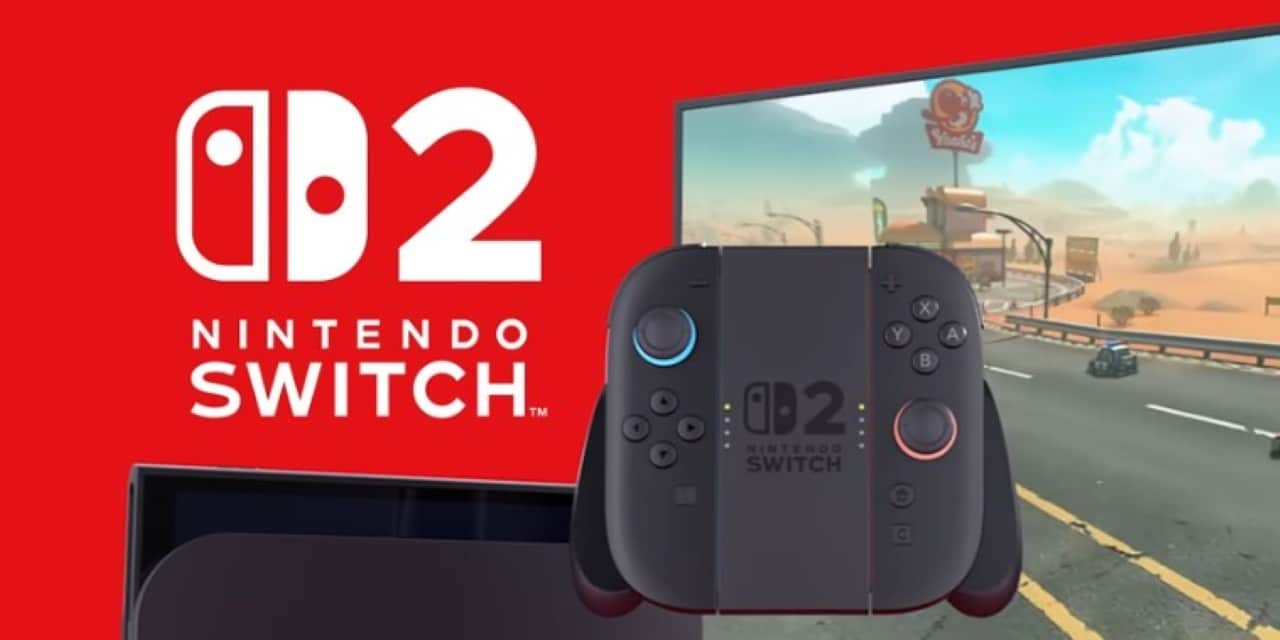
The added value of this choice lies in the franchise’s ability to act as a true sales engine for newly launched hardware. When the first Switch hit stores, The Legend of Zelda: Breath of the Wild was mainly responsible for selling out worldwide stocks within hours. Repeating this dose with an absolute classic ensures that the transition period between console generations occurs in a highly profitable way and with immediate engagement from the global community.
Thematic edition strategy and the history of the Japanese manufacturer
The creation of customized versions of consoles is not new for the Kyoto giant, having been a constant practice to keep public interest high over the years. Recently, the company had a resounding success with the special edition of the OLED model based on Tears of the Kingdom, which featured golden details and graphics exclusive to that universe. Applying this same level of detail when launching a new system creates an instant collector’s item, increasing the perception of the product’s value on the first day of sales.
From a financial point of view, these limited editions help justify higher initial investments by more dedicated consumers. The technology market knows that the first few months of a video game’s life are critical, and offering a visually distinct package reduces purchasing hesitation in retail stores. The presence of a strong game attached to the initial package avoids the feared scenario of software shortages, a structural problem that often haunts the launch of new entertainment platforms.
What to expect from the architecture and features of the next video game
Although the manufacturer maintains an absolute silence about the official technical specifications, market analysts point out that the successor will maintain the hybrid nature that established the current generation. This means that users will be able to continue switching between playing on the living room television and portable mode in a completely fluid way. To support a high-caliber remake, the device will need a significant leap in graphics processing power and available RAM.
Some specific features are being widely discussed on technology forums and among partner developers who already have access to the prototypes. The integration of these new features will be fundamental to modernizing the experience of exploring the kingdom of Hyrule in high definition.
- Full backwards compatibility with the current model’s game library, ensuring the preservation of users’ digital collection.
- New controls with advanced haptic actuators, providing more precise tactile responses during combat and scene exploration.
- Higher resolution screen in portable mode, possibly retaining OLED technology for more vibrant colors and deep contrasts.
- Improved cooling system to handle increased graphics load without drastically compromising battery life.
Implementing these technologies requires perfect synchronization between hardware engineering teams and game creation studios. A technical demonstration title disguised as an epic adventure serves precisely to teach players, in an intuitive way, how to use the new functions of the operating system’s controls and interface.
Ad window and the direct impact on the global market
The games industry’s traditional timeline suggests that the official unveiling of a new device occurs between three and six months before its final arrival on shelves. Investors and shareholders are eagerly awaiting this moment, as the life cycle of the current console is already showing natural signs of a slowdown in global sales. A well-orchestrated advertisement, accompanied by images of the themed console, has the power to move the company’s shares and dictate the pace of electronics retail for the next year.
Assembly plants located in Asia would already be preparing production lines to meet projected initial demand in the millions of units. Avoiding logistical bottlenecks is the board’s top priority, as it seeks not to repeat the difficulties faced by the technology sector during the recent global semiconductor crisis. The immediate availability of the product in physical and virtual stores will set the tone for public reception and the confidence of store owners.
The crucial role of developers in the generational transition
The creation of a robust software ecosystem directly depends on the support offered to content creators long before the final public has access to the device. Updated development kits are circulating among the world’s leading studios, allowing teams to optimize their graphics engines for the new processing architecture. The success of a piece of hardware is not only sustained by a major launch, it requires a constant calendar of new developments to keep the user base active and consuming digital products.
The convergence between innovative hardware and the recovery of important intellectual property illustrates the maturity of the current interactive entertainment sector. The ability to reinterpret classic works using modern rendering tools demonstrates how technology works in favor of the cultural preservation and renewal of video games. The market is closely watching the manufacturer’s next moves, aware that the introduction of a new platform changes the balance of forces across the global technology industry.





