Victim of cancer at age 80, actor Randolph Mantooth, who immortalized the series Emergency, dies By Luís Henrique Costa
6 min read
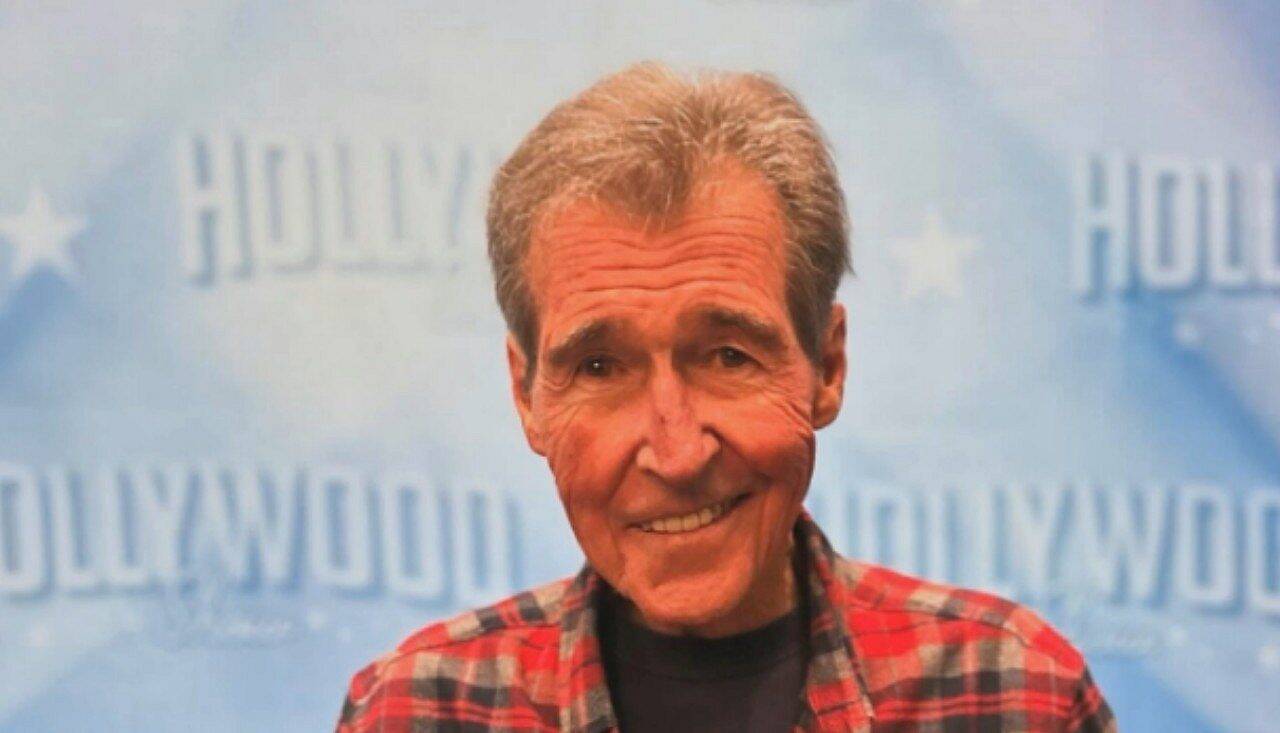 |
The international artistic scene lost one of its most emblematic figures from the 1970s. Last Thursday, July 9, 2026, screen veteran Randolph Mantooth ended his life journey at the age of 80. The confirmation of his death brought a wave of nostalgia for fans of classic productions that marked an era on global television. The artist was admitted to a clinic specializing in palliative care in the city of Ventura, located in the state of California, in the United States.
According to information shared by close family members, the cause of death is linked to a long and exhausting fight against cancer. Donald Mantooth, the artist’s brother, publicly reported that the clinical condition had been gradually deteriorating over the last few years. During this period of prolonged illness, the veteran’s body suffered visible wear and tear, resulting in severe weight loss that highlighted the severity of the illness and the need for continued medical care.
The interpreter’s departure closes an important chapter in the history of television entertainment. His professional career crossed generations, establishing a standard of action that influenced countless professional colleagues. The news mobilized tributes from former studio partners and admirers who followed his evolution from his first prominent roles to his most recent appearances in the media, consolidating his name in the public’s affectionate memory.
The revolutionary role in popularizing modern medical rescue
Before the premiere of “Emergency!” By early 1972, the concept of advanced prehospital care was virtually nonexistent to the general public. At that time, many ambulances functioned solely as rapid transport vehicles, often operated by funeral homes, without providing medical support en route. The production took on the responsibility of introducing the reality of specialized help into the homes of millions of viewers. By assuming the identity of the charismatic rescuer Johnny Gage, the artist formed an unforgettable duo with Kevin Tighe, responsible for bringing the character Roy DeSoto to life. Together, they not only entertained, but educated the public about the vital importance of professional first aid.
The impact of the attraction was so profound that it transformed public health infrastructure in the United States and in many parts of the world. During a conversation with journalist Amy Harrington in 2013, the protagonist himself confessed his complete ignorance on the subject before recording began. He recalled having questioned the production team about the meaning of the word paramedic, justifying that, at that specific historical moment, there were only a tiny number of these professionals working throughout the vast Californian territory.
The continuous airing of episodes until May 1977 acted as a true mass awareness campaign. City halls and state governments began to receive pressure from civil society to implement ambulance services equipped with trained teams, directly inspired by fiction. Johnny Gage’s legacy reached beyond entertainment barriers, being credited by public health experts and medical historians as a driving factor in recruiting thousands of young people into emergency medicine careers in the decades that followed.
Successful transition to daytime drama
Ending participation in an audience phenomenon is usually a complex challenge for any audiovisual professional, but the career transition occurred smoothly. Instead of clinging to the stigma of the hero in uniform, the performer sought to diversify his portfolio by exploring the format of American soap operas, known in the industry as soap operas. This genre requires a quick memorization capacity, often requiring the recording of dozens of pages of script in a single day, in addition to a daily emotional delivery that tests the limits of any artist accustomed to the slower pace of prime time.
ABC opened the doors to this new phase with the production “Loving”, where he demonstrated a dramatic versatility that surprised critics at the time. The success in this format paved the way for invitations to other important works in the same segment. His presence became a constant on American television afternoons, attracting an audience completely different from that which followed the explosions and dramatic rescues of his youth on the streets of Los Angeles.
His resume in daytime dramas expanded considerably with notable stints on “General Hospital” and “One Life to Live.” Subsequently, the CBS network also secured the veteran’s talent for the cast of “As the World Turns”. Each of these works required the construction of complex characters, often involved in intricate family plots, romantic betrayals and corporate upheavals, consolidating his reputation as a tireless and highly adaptable worker in the entertainment industry.
Memorable appearances in major primetime productions
Parallel to his success in daytime dramas, the demand for his presence in special episodes of big nighttime hits never diminished. Producers often cast familiar faces to attract audiences and add dramatic weight to specific chapters. This strategy resulted in an enviable filmography that serves as a true golden catalog of television from the 1980s and 1990s.
The ability to adapt allowed him to move between science fiction, legal drama and mystery narratives without losing credibility. Among the most prestigious works that included his occasional collaboration, stand out titles that defined pop culture at the time. The record of his appearances includes:
- The acclaimed series about the billionaire oil family in “Dallas.”
- The criminal investigation series starring female detectives in “Charlie’s Angels”.
- The romantic and comical adventures aboard the luxurious cruise ship of “The Love Boat”.
- The intense debates in corporate courts featured in “L.A. Law.”
- The supernatural mysteries and wishes come true at the isolated resort of “Fantasy Island.”
- The epic space battle for humanity’s survival in “Battlestar Galactica.”
Each of these forays required quick adaptation to the show’s specific tone. Directors who worked with him during these recordings used to praise his punctuality, technical preparation and the ease with which he integrated into already established casts, fundamental characteristics that guaranteed his longevity in a highly competitive market and subject to rapid changes in public preferences.
The last years of his life and the legacy left to pop culture
The gradual distancing from the spotlight in recent years has not diminished the public’s affection. As age advanced and health problems began to manifest themselves with greater intensity, the focus changed from film sets to family life and specialized medical treatment. The choice for the clinic in the city of Ventura reflected the desire to spend the final moments in a peaceful environment, surrounded by professionals dedicated to minimizing the discomfort caused by the prolonged illness.
Brother Donald’s frankness in describing the artist’s physical wasting serves as a reminder of human fragility, contrasting sharply with the unshakable image of the strong and agile rescuer that made him famous worldwide. However, the visual memory that remains for posterity is that of the tireless professional, capable of saving fictional lives that ended up inspiring thousands of real rescues around the planet.
Rescue institutions and fire departments across the United States frequently use the image of his most famous work in training materials and recruitment campaigns to this day. The boy who one day asked what the word paramedic meant ended up becoming the definitive face of this essential profession. The physical farewell ends the man’s biography, but the impact of his work will continue to echo in the sirens of each ambulance that crosses the streets on a relief mission.