
Russia’s gasoline production falls to 65% of summer demand amid refinery attacks

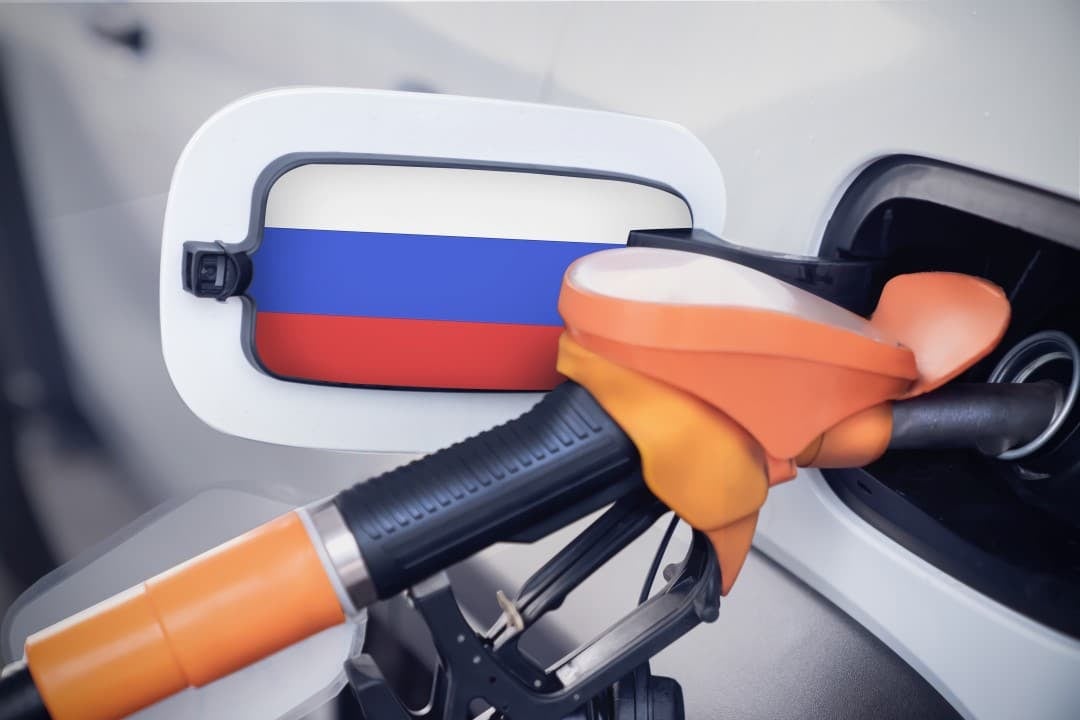
Gasoline production in Russia is currently facing a significant reduction, reaching around 65% of average seasonal consumption. This sharp drop follows the shutdown of important refineries, a direct result of intensified Ukrainian attacks.
Ukrainian forces are intensifying their attacks on Russian energy infrastructure, targeting large oil refineries, with the aim of undermining Moscow’s military power. This offensive resulted in the shutdown of the Omsk refinery, which is the main gasoline production unit in Russian territory.
An anonymous source in the sector revealed that the daily production of gasoline is between 40 thousand and 45 thousand tons, representing a drop of approximately 35% in relation to the volume needed for the current period, marked by high demand for vehicles during the summer holidays. In June, the daily deficit was 25%.
According to data from the same source, daily gasoline consumption in the country reaches between 115 thousand and 120 thousand tons during the summer months, the period of greatest demand.
Russian Deputy Prime Minister Alexander Novak acknowledged at a government meeting held on Monday, July 9, that the fuel supply scenario remains challenging, highlighting that “the situation at gas stations is clearly generating apprehension among citizens.”
In response to growing fuel shortages, the Russian government instituted emergency measures, proposing a ban on exports of diesel, gasoline and jet fuel. Furthermore, the country began an import process to meet domestic demand.
Industry experts indicate that, in the absence of new attacks targeting refineries, fuel market conditions may improve in the second half of July, driven by the reactivation of production units and increased imports.
The Russian Energy Ministry did not comment when asked about the situation.



