
Risk of battery fire in EX30 electric SUVs leads Volvo to recall 40,000 vehicles

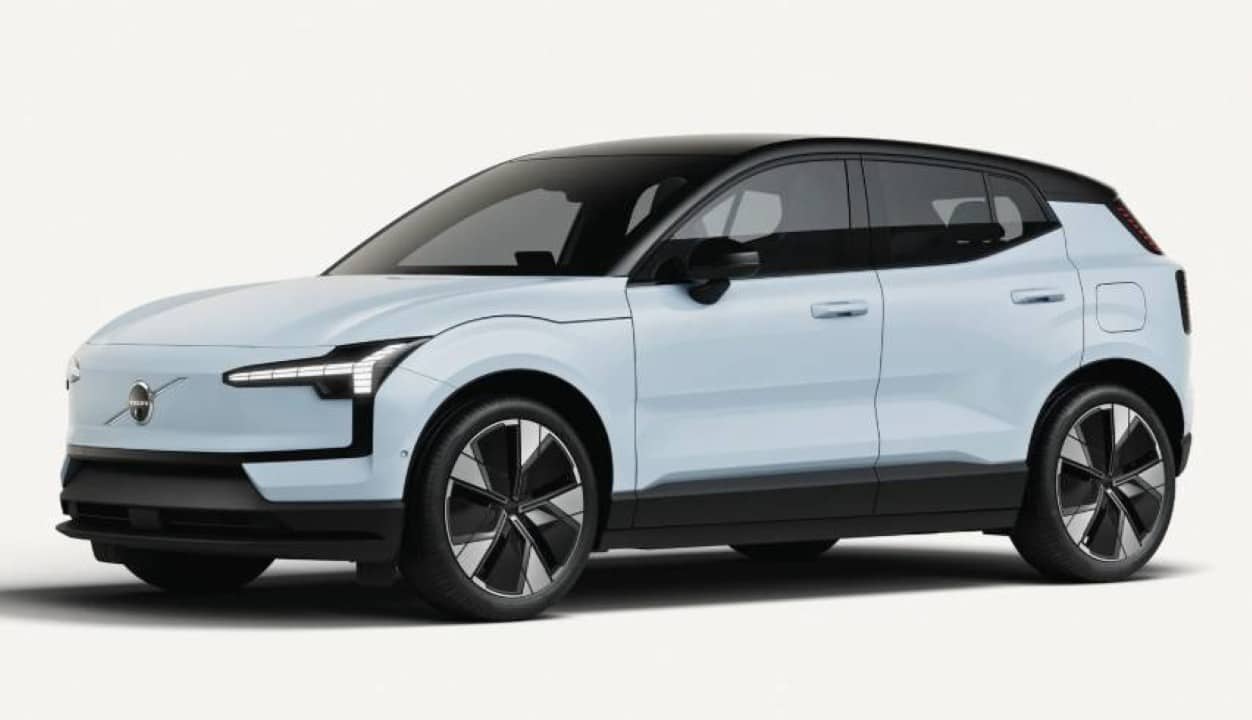
Last Monday, carmaker Volvo announced a comprehensive recall for more than 40,000 units of its EX30 electric SUV, a model considered a key part of its market strategy. The measure was taken after identifying a risk of overheating in battery packs, a problem that could impact the brand’s solid safety reputation and generate millions of dollars in costs.
The recall process requires the replacement of the compact SUV’s high-voltage battery pack modules. This failure occurs at a delicate time, as battery safety is a subject of great sensitivity for the electric vehicle industry and for consumers themselves, who are looking for confidence in these new models.
In total, 40,323 EX30 units are involved in the recall, covering the Single-Motor Extended Range and Twin-Motor Performance versions, both equipped with the high voltage cells in question. The information was confirmed by the Swedish manufacturer, which is majority controlled by the Chinese Geely, in response to questions about the issue.
In a statement, Volvo said it is contacting the owners of all affected cars to provide the necessary guidance on the next steps in the fix process.
After the recall was announced, Volvo shares fell 4%, reflecting market concern about the impact of the measure.
This is not the first incident of its kind in the electric vehicle automotive industry. In 2020, for example, a fire risk resulted in a recall from General Motors, which recalled 140,000 units of the Chevrolet Bolt. The vehicles used batteries supplied by LG and the estimated cost for the fix was approximately US$2 billion.
Volvo’s battery problems come as the automaker seeks to save $1.9 billion and strengthen its integration with Geely, its Chinese parent company. The batteries involved were produced by a joint venture supported by the group, Shandong Geely Sunwoda Power Battery Co. According to Volvo, the supplying company has already corrected the fault and will be responsible for supplying the new cells.
Volvo’s reputation at risk requires definitive solution to failure
Volvo has assured that replacement of affected units will be free of charge. Additionally, the company recommended that, until the repair is completed, owners limit vehicle recharging to 70% of total capacity, as a preventative measure to reduce the risk of fire.
Sam Fiorani, vice president of global vehicle forecasting at AutoForecast Solutions, highlighted the importance of the EX30 model for the brand. “The EX30, in particular, is very important for Volvo, so they need to get it right,” said the expert, highlighting the need for an effective solution.
Since December, Volvo has been providing guidance to EX30 owners in more than a dozen countries, including the United States, Australia and Brazil. Recommendations included parking vehicles away from buildings and limiting charging to 70%, according to regulatory records and information from the company itself.
Andy Palmer, an automotive industry veteran, noted that Volvo has a smaller margin for error compared to its competitors. Security reputation is a fundamental pillar of brand identity, which makes any failure in this aspect even more critical.
“Volvo cannot afford a safety issue because it goes to the heart of the brand,” said Palmer, emphasizing the relevance of consumer trust in the safety of the company’s vehicles.
Correcting battery problems can incur considerable costs. An analysis based on price estimates from Chinese battery makers suggests that new replacement modules could cost up to $195 million, not including logistics and repair expenses. Volvo, in turn, classified these calculations as “speculative” and reported that negotiations with the supplier are still ongoing.
Before the recall was officially announced, EX30 owners were already expressing concern. Two owners of the vehicle even expressed interest in returning them, which highlights the potential impact of the issue on consumer confidence.
Matthew Owen, a British insurance broker, said he chose the EX30 for its range and Volvo’s well-known safety reputation. He argued that the automaker should take full responsibility for “producing a car that is dangerous”, showing the indignation of some customers.
In New Zealand, Tony Lu, another EX30 owner, reported additional costs. The limitation on recharging, imposed as a preventive measure, significantly reduced the autonomy of your vehicle, generating inconvenience and unexpected expenses.





