
Tensions between the US and Iran drive up oil prices, triggering an inflation warning for the Federal Reserve

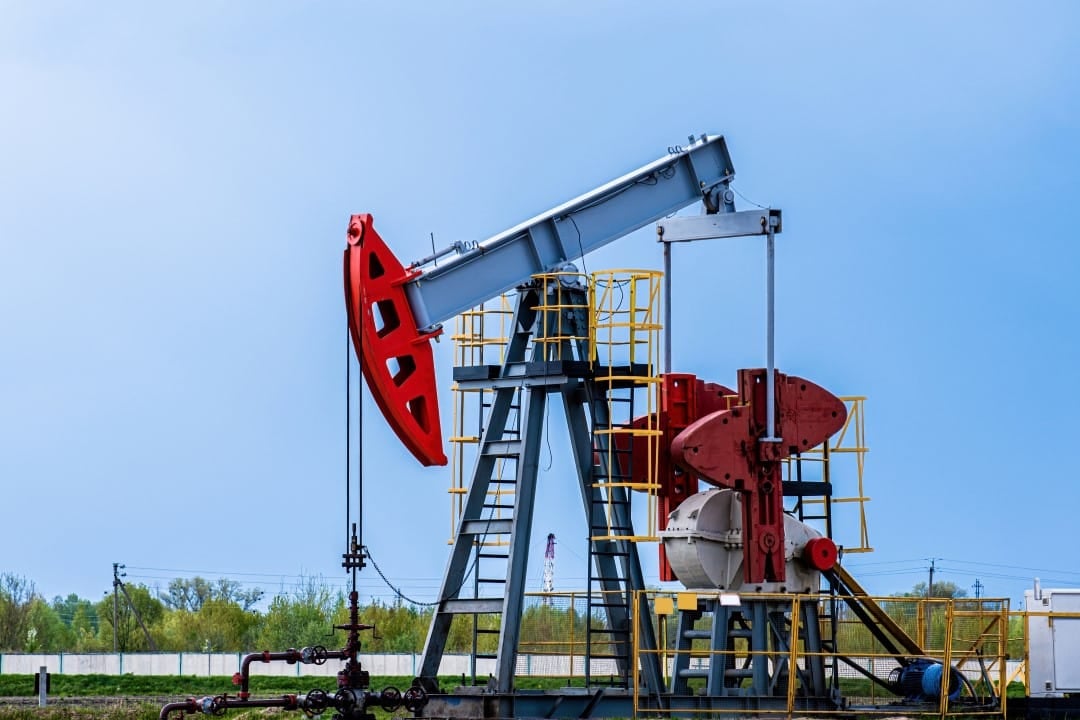
Wall Street financial markets are closely watching the escalation of the conflict between the United States and Iran last weekend. On Monday, July 13, 2026, the price of Brent oil reached US$78 per barrel, a significant increase compared to the level of just under US$70 recorded before the conflict.
This increase in oil prices has a direct impact on inflation expectations and, consequently, on the trajectory of the United States Federal Reserve’s basic interest rate, according to an analysis by Goldman Sachs in a report released on Sunday.
Over the weekend, Tehran and Washington traded attacks in a series of events that Deutsche Bank’s Jim Reid called a “marked intensification” of the conflict. Even in the face of the escalation, President Donald Trump said the Strait of Hormuz, a vital shipping route for global oil transport, remains accessible.
However, the Iranian regime, which borders the Strait, declared that the passage is “closed”, which causes apprehension among vessels that need to enter or leave the Persian Gulf, potentially restricting oil supplies.
The consequences of the tension expand: the Islamic Revolutionary Guard Corps (IRGC) claimed to have attacked American bases in Bahrain, Kuwait and Jordan. In turn, the US Central Command (CENTCOM) reported that it acted in response to an Iranian attack on a commercial vessel in the Strait.
This exchange of attacks does not contribute to the de-escalation rhetoric that Wall Street was hoping for. Oil futures contracts indicate that barrel prices should rise in the coming months, remaining around US$72 until the end of the year.
Federal Reserve Inflation and Monetary Policy Projections
Concern about a prolonged conflict has serious implications for inflation and, for this reason, will be one of the main topics on the agenda of the Federal Open Market Committee (FOMC), responsible for setting interest rates and led by the new Federal Reserve Chairman, Kevin Warsh.
David Mericle, chief U.S. economist at Goldman Sachs, assessed these risks in a report released over the weekend. He pointed out that several factors could contribute to the reduction in inflation in the coming months, including a possible cooling of the war, the lessening of the impact of tariffs and an “overestimated and poorly measured” demand for artificial intelligence. Mericle believes this should be enough for the Fed to keep its rates stable for the rest of the year without further increases, but emphasizes that the room for error is minimal.
However, Mericle warned that if the conflict intensifies again and pushes the price of oil to $100 per barrel, as it did earlier in the year, the bank’s models indicate that underlying monthly inflation could rise by 3 to 4 basis points in the coming months. This increase would add to the current reading of 4.2% recorded by the Bureau of Labor Statistics in May, well above the 2% target set by the Federal Reserve.
In this context, Mericle adds that “the impact of yet another supply shock on the debate over monetary policy could be more significant than the simple pass-through math suggests, as it would increase frustration with what has already been a long series of supply shocks and the difficulty of knowing when they will end, in addition to raising concerns that they could eventually be enough to undo inflation expectations.”
Despite the short-term discomfort, Goldman Sachs’ commodities team, including Alexandra Paulus, suggests this could lead to long-term gains. Paulus’ team wrote that the disruption caused by the Strait of Hormuz would serve as an incentive to build new pipeline routes outside the region.
A Goldman Sachs team report released on Sunday emphasized: “The recent rise in oil prices demonstrates the crucial importance of flows through Hormuz to prices in the short term. However, in the longer term, we estimate that enough pipeline capacity will be added in the Middle East region to protect more than 45% of the pre-war level of Persian Gulf producers’ exports by the end of 2027, and more than 60% by the end of 2028, from any future shocks related to Hormuz.”



