
REO Industries launches 4×4 gasoline pickup in the US costing US$21,500


The North American automotive market is about to receive something new that goes against mass electrification and the increase in vehicle prices. Upstart manufacturer REO Industries has announced the development of a gas-powered compact pickup truck with an aggressive starting price of $21,500. In a scenario where the average value of a new car in the United States already exceeds the US$47,000 mark, according to recent data from specialized consultancies, the Texan company’s proposal appears as a highly viable alternative for the common worker. The model promises to deliver mechanical 4×4 traction and an astonishing range of 965 kilometers with just one full tank of fuel.
This strategy of focusing on internal combustion and low cost puts the brand on a direct collision course with other startups in the sector. Rival Slate, based in the city of Detroit, had recently revealed an all-electric pickup truck with an entry price set at US$24,950. However, REO’s truck, called Runabout, bets on the absence of charging anxiety, a problem that is still common among electric vehicle owners who drive in rural areas. The initiative raises heated debates among experts about the real demand for compact analog pickup trucks in an era dominated by lithium batteries and digital panels.
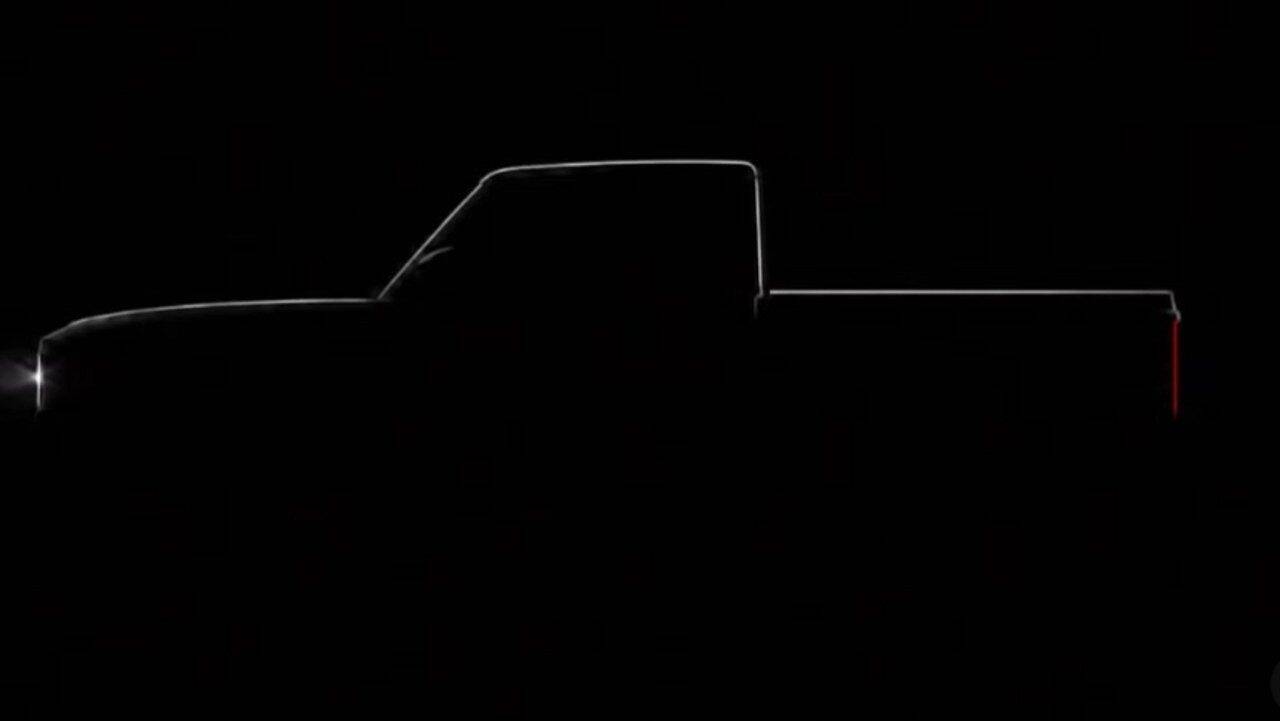
The century-old heritage behind the return of the Texan manufacturer
To understand the weight of the emblem that will appear on the grille of the new truck, it is necessary to go back to the beginning of the last century. The nomenclature carries a deep legacy in the history of American mobility, originating when the REO Motor Car Company was established in 1905. The founder, Ransom Eli Olds, created the company shortly after leaving the direction of the famous Oldsmobile, seeking to focus on cutting-edge engineering for the time. For decades, the original automaker has built an unwavering reputation based on manufacturing heavy-duty trucks and utility vehicles that are tough on field work.
The recovery of this historic identity was orchestrated by Zach De Bernardi, the current founder and executive director of the brand’s new incarnation. The businessman managed to secure the rights to register the name, bringing the aura of reliability from the past to the present. Although the Texas-based corporation is a completely separate legal and operational entity from the one it operated in the early 20th century, the product philosophy remains identical. A meta é fornecer ferramentas de trabalho sobre rodas, ignorando o luxo excessivo que tomou conta do segmento de picapes nas últimas duas décadas.
This connection to the utilitarian past serves as the central pillar for the startup’s marketing campaign. Rather than promising supercar accelerations or autonomous driving systems, the engineering team focuses on the extreme durability of mechanical components. The promise of delivering a vehicle that can withstand severe daily use without presenting complex electronic failures has attracted the attention of fleet owners and small business owners looking to reduce their companies’ operating costs.
Load capacity and mechanical details that defy the competition
The engineering design of the new line of vehicles was designed to maximize utility in reduced spaces. The entry-level model will be approximately 4.57 meters long from bumper to bumper. This size puts the truck on the same size level as a traditional medium sedan, such as the Honda Civic, making it easier to maneuver in congested urban centers and park in conventional garages. Despite its contained size, the architecture uses a traditional spar chassis, ensuring the torsional rigidity necessary for transporting heavy loads.
Under the hood, simplicity remains the golden rule of design. Propulsion will be provided by a four-cylinder gasoline engine, coupled to a four-wheel drive system with purely mechanical drive, dispensing with electronic actuators prone to failure. Buyers will be able to choose between a manual transmission for greater control over difficult terrain or a six-speed automatic transmission. The great asset of this configuration is the projected range of more than 965 kilometers, a number that represents practically triple the autonomy offered by Slate’s electric competitor.
The robustness of the powertrain is not only reflected in the distance the vehicle can travel without refueling, but also in the raw power available. The towing capacity announced by the manufacturer reaches 2,041 kg, a significant number that easily surpasses compact sedans and sports utility vehicles sold in the same price range. Furthermore, the company’s engineers set a daunting durability target for the engine and transmission, projecting a useful life of an impressive 804,560 kilometers before the need for deep grinding.
Body variants and inspiration from Asian utilitarian design
To meet different consumer profiles, the automaker structured its initial assembly line with three different body configurations. This diversification allows the same mechanical platform to serve everyone from the solitary farmer to families who like to camp on the weekends. The strategy of sharing parts between versions is essential to keep the final price at around twenty thousand dollars. Confirmed options for the catalog include:
- The Runabout T4X pickup truck, equipped with a single cab and two doors, offering the largest truck bed in the line to prioritize the transport of construction materials and agricultural inputs.
- The Runabout T4C variant, which features a double cabin with four doors, sacrificing part of the cargo space to accommodate up to five passengers in comfort on long journeys.
- The Runabout S4C sports utility vehicle, a closed SUV built on the same pickup chassis, aimed at off-road expeditions and full protection of luggage against the elements.
Aesthetically, the vehicles completely deviate from the current aerodynamic trends that dominate global design studios. The conceptual images reveal straight lines, square cuts and a strong inspiration in the so-called Japanese “Kei cars”. These Asian microcars are famous for maximizing interior space through boxy shapes. The Texan manufacturer adopted this same logic, prioritizing the driver’s visibility and the ease of replacing bodywork panels in the event of collisions, leaving fluid aesthetics in the background.
Cost reduction strategies and the official production calendar
Delivering a brand new vehicle for US$21,500 in the current economic scenario requires drastic sacrifices in the list of standard equipment. The cabin of the cheapest version will be an exercise in extreme minimalism. Features considered basic today, such as a factory radio or soft door coverings, will be completely eliminated from the entry-level model. The panel will be dominated by physical buttons and mechanical levers, rejecting the fashion for large touch screens that make production and maintenance more expensive.
The brand’s executive director was emphatic when explaining the philosophy behind these removals. According to De Bernardi, the company’s mission is to rescue the true definition of a work truck, building something smaller, much cheaper and that makes financial sense for an early-stage operation. Customers who want more comfort will have the freedom to purchase separate optional modules, adding electronic equipment only if they deem it strictly necessary for their daily use.
The schedule for these pickup trucks to hit the streets requires patience on the part of those interested. The company has already opened a reservation system on its official portal, requiring a symbolic deposit of just US$25 to guarantee a place in the waiting line. The reveal of the final production design is scheduled for the last quarter of 2026. The assembly of the first test and validation units will take place throughout 2027, with final deliveries to end customers scheduled to begin only in the last months of 2028.



