
Toyota suspends hybrid SUV sales due to lack of parts until the end of 2026


Japanese automaker Toyota took the drastic decision to temporarily halt orders for one of its most sought-after electrified sports utility vehicles. The central reason for this sudden interruption is directly linked to the severe bottlenecks that still haunt the global supply chain, a late reflection of the logistical instabilities of recent years. As demand at dealerships significantly exceeded assembly capacity at factories, management chose to slow down orders so as not to accumulate unrealistic delays. This scenario not only threatens the commercial performance of a registration-winning vehicle, but also exposes the continued vulnerability of the automotive sector in the face of a shortage of basic components.
In authorized stores, the immediate guidance is to stop any new negotiations that depend on future manufacturing, in order to preserve the standard of customer service. The manufacturer recognizes that this break in the sales flow generates considerable damage to the brand’s image, in addition to causing frustration among potential buyers who were already planning the acquisition. At this critical moment, the absolute focus of the operation is to honor the contracts that were already signed before the system was blocked. Therefore, sellers are only authorized to sell the few units that are already physically located in the dealerships’ yards or that are in confirmed transit on transport ships.
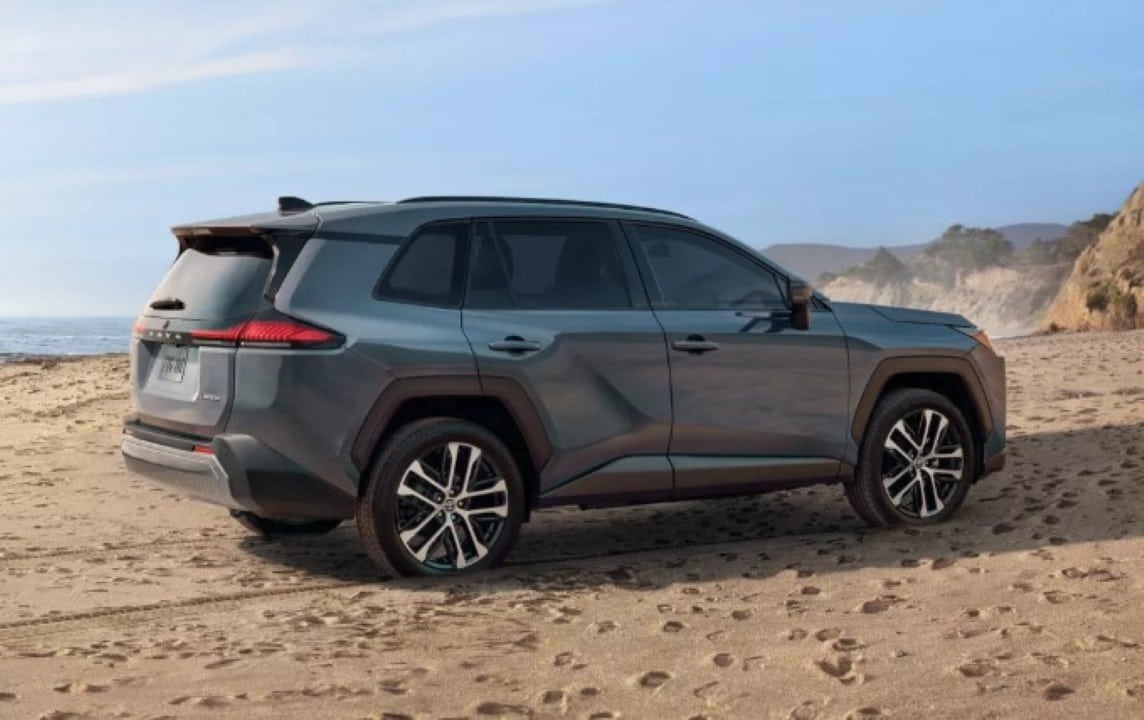
The company’s internal projections, in line with analyzes from automotive market experts, indicate that the total normalization of assembly lines should only occur in the second half of 2026. The main villain of this prolonged stoppage continues to be the difficulty in obtaining semiconductors and electronic chips essential for modern driving assistance systems. As the brand tries to solve this logistical puzzle, surging demand for fuel-efficient family vehicles opens a dangerous window of opportunity. Direct competitors are already watching the situation carefully, ready to absorb this segment of customers who are not willing to wait almost two years for a new car.
Containment strategies and the direct impact on distribution logistics
The attitude of freezing the entry of new reserves is an extreme measure that illustrates the seriousness of the lack of inputs in the current industry. The automaker’s top executives are poring over production spreadsheets, trying to renegotiate deadlines with technology suppliers to try to speed up the delivery of missing parts. To minimize damage to reputation, the dealer network was tasked with maintaining extremely transparent communication with the public. Clarity in information is seen as the only viable tool to try to maintain the loyalty of a consumer who, suddenly, finds himself prevented from buying the car he wants.
For drivers who managed to close a deal before the suspension, the current reality is one of pure patience, as the pace of delivery will not undergo any magical acceleration. There is a real fear behind the scenes that excessive delays will trigger a wave of contract cancellations, especially as other automakers have equivalent SUVs available for immediate delivery. Even customers with a history of loyalty to the Japanese manufacturer may be forced to migrate to rival brands if the need for a new vehicle is urgent and incompatible with the long waiting period stipulated by the factories.
Different trim packages appeal to varying driver profiles
The great commercial asset of this utility has always been its ability to adapt to different lifestyles through well-defined finishing catalogs. The configuration called Z, for example, was designed precisely for the urban public that does not give up refinement in daily traffic. This package delivers cutting-edge technologies, such as the digital key integrated into the smartphone and quick-response connectivity systems, all packaged in an external design that conveys sophistication. It is exactly this mix of luxury and practicality that turned the version into an object of desire in large cities.
On the other hand, the Adventure variant focuses on attracting consumers who seek to escape the asphalt on weekends, demanding a much more robust aesthetic. With an imposing front grille, bumpers redesigned to withstand light impacts and a suspension calibrated for dirt roads, the model delivers an adventurous proposal without losing energy efficiency. This dual personality of the project — capable of running elegantly in the city and bravely in the countryside — is the main factor that drove the waiting list to uncontrollable levels before sales were halted.
Global architecture ensures energy efficiency and driving stability
The mechanical basis that supports the resounding success of this car is the renowned TNGA modular platform, specifically the GA-K variation, the same one used in the brand’s luxury sedans and large SUVs around the world. This advanced engineering structure allows the vehicle to have a lower center of gravity, resulting in handling that is far superior to the segment average. In addition to driving comfort, the torsional rigidity of the chassis guarantees an exceptional level of protection for occupants in the event of accidents. Experts point out that this ability to absorb impacts intelligently is one of the great differences that puts the model ahead of its direct competitors.
In terms of powertrain, the traditional hybrid package combines a 2.5-liter combustion engine with high-efficiency electric thrusters, creating a mechanical synergy that is praised worldwide. The transition between the use of gasoline and electricity occurs imperceptibly for those driving, ensuring vigorous acceleration and absolute silence at low speeds. In an economic scenario where the price of fossil fuels increasingly weighs on the family budget, the promise of traveling dozens of kilometers with minimal consumption has become an unbeatable selling point.
Plug-in hybrid technology transforms your fuel consumption routine
Within the portfolio offered, the PHEV (plug-in hybrid) configuration is the one that registers the greatest demand pressure from consumers most aware of mobility innovations. The great advantage of this system is the possibility of charging the battery from the socket and running exclusively in electric mode during daily urban journeys, eliminating the expense of gasoline on a daily basis. This feature completely eliminates the famous range anxiety that still keeps many drivers away from fully electric cars, offering the best of both worlds in a single product.
When the time comes to hit the road for long trips, the combustion engine comes into action automatically, ensuring that the family reaches their destination without depending on the road charging infrastructure. The ease of plugging in the car in the home garage at night and waking up with a full battery has transformed the owners’ routine. It was precisely this mechanical versatility that generated a volume of orders far above what the assembly lines could process, culminating in the current supply crisis in stores.
Active safety systems make the utility a refuge for families
The adoption of the latest generation Toyota Safety Sense technological package raised the utility’s protection level to levels required by strict international safety bodies. Cameras and radars





