
Fossils discovered in Catalonia reveal unprecedented species of bear dog that inhabited the planet 16 million years ago

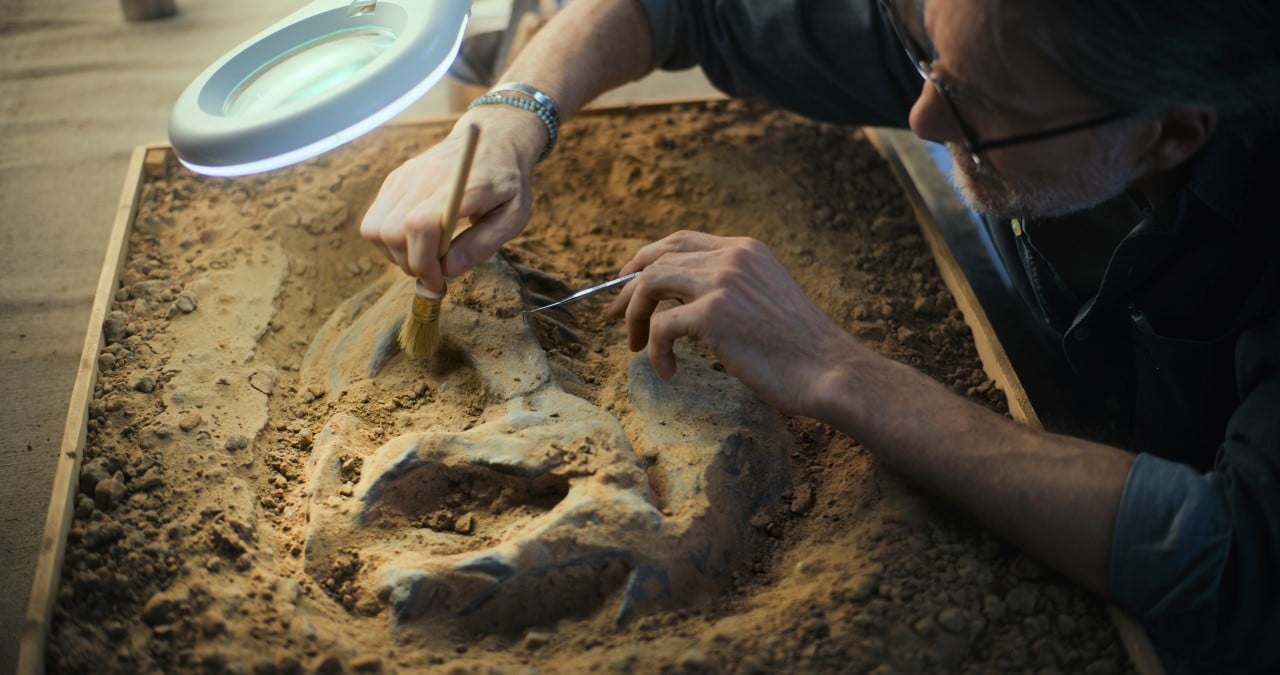
Scientists have announced the identification of a new species of “bear dog” that lived in the region that today corresponds to Catalonia, Spain, approximately 16 million years ago. The discovery came from the analysis of fossils unearthed at Els Casots, a paleontological site in Subirats, located in the Vallès-Penedès basin, which was an environment of lakes and wetlands. The date of the incident, according to the original publication of the research, dates back to Tuesday, July 7th.
This finding is fundamental to deepening knowledge about the Miocene fauna, helping researchers to reconstruct the local landscape long before its current configuration. Furthermore, the revelation contributes significantly to the understanding of the evolution of amphiconids, a group of extinct carnivorous mammals, popularly known as “bear dogs”.
The fossilized remains were crucial for scientists to formally describe the new species, which was given the scientific name Paludocyon moyasolai.
Unusual features of the ancient predator
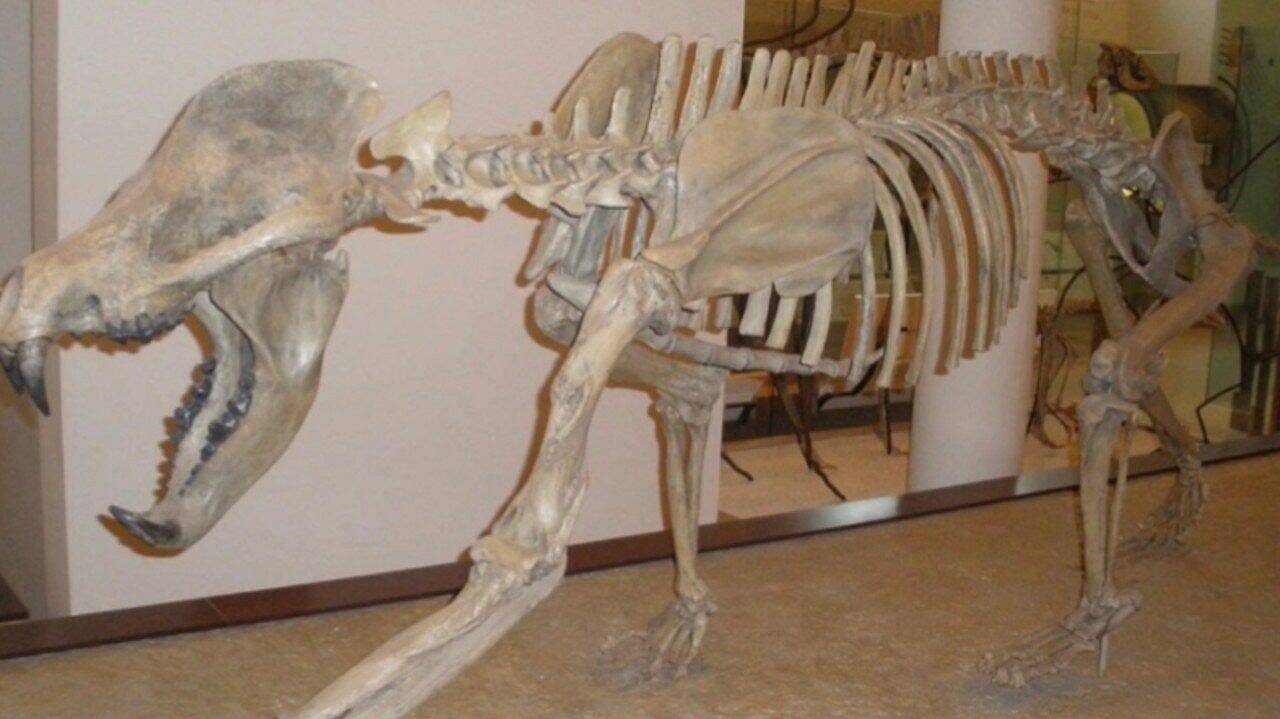
Despite the popular name, “bear dogs” have no direct connection with contemporary dogs or bears. The nickname arises from the appearance of these animals and their distant relationship with the Amphicyonidae, an extinct group of carnivorous mammals that inhabited different parts of the world during the Cenozoic era.
The identification of the new species was based on a skull that, although compressed, had a large part of the dentition preserved, along with an isolated lower molar. These fossils allowed anatomical comparisons with other fossilized carnivores already found in Europe and North America.
The morphological differences observed were sufficient to validate the existence of a species previously unknown to the scientific community.
Dentition essential in identifying new species
The detailed analysis of the teeth was decisive for characterizing the animal.
According to the researchers, the molars of the newly discovered species exhibited atypical proportions. Notably, an upper second molar was wider than the first, and the third molar was relatively large. This combination of dental particularities had not been recorded in other species of the genus Paludocyon.
In paleontology, the details of the dentition are crucial, as they offer valuable information about the diet, adaptations and evolutionary relationships between species. In this specific case, the anatomical distinctions in the teeth provided the necessary foundation for classification as a new species.
How fossils help decipher the Miocene period
The discovery took place in Els Casots, one of the most relevant paleontological sites in the Penedès region. The site stands out for preserving thousands of fossils of animals that thrived in a hot and humid environment, characterized by shallow lakes, abundant vegetation and a rich diversity of vertebrates. The importance of Els Casots lies in its ability to offer a detailed overview of a complete Miocene ecosystem.
Among the remains found in the area, the remains of mammals, reptiles and several groups of primitive carnivores stand out, which allows a more accurate reconstruction of the ecosystems in force during the Miocene.
The researchers suggest that Paludocyon moyasolai was probably a medium-sized predator and demonstrated greater agility compared to other large amphiconids already studied. Its dental formation indicates an ability to consume both meat and more robust parts of prey.
This ancient habitat was home to small herbivores, ancient felines, mustelids, small crocodiles and a variety of other animals adapted to wetlands, forming an intricate ecosystem that is profoundly distinct from today’s Catalonia landscape.
Tribute to Catalan researcher in the name of the species
The scientific nomenclature of the new species also takes a toll.
The term Paludocyon originates from the ancient swampy environment where the animal resided, and can be interpreted as “swamp dog” or “humid area dog”. The epithet moyasolai pays homage to Salvador Moyà-Solà, a Catalan paleontologist renowned for his contributions to research on fossil mammals and for his work in the first excavations carried out in Els Casots.
For the scientists involved, the discovery reinforces the relevance of fossils as indispensable records of the evolution of life on our planet. Far from being mere preserved bone fragments, they provide crucial clues about ancient landscapes, significant environmental changes and the vast diversity of species that populated the Earth millions of years before humanity emerged.





