
New combustion truck from REO Industries arrives in the United States for US$21,500


Against the strong wave of electrification driven by giants like Ford and General Motors, consumers in the United States are about to discover a rustic and affordable alternative. Newcomer REO Industries confirmed the creation of a compact pickup truck equipped with a combustion engine, priced at a starting price of US$21,500. Considering that recent reports from the automotive sector indicate that the average price of a new vehicle in the country has already broken the US$47,000 barrier, the Texas company’s project emerges as a realistic financial solution for workers. The vehicle will have a mechanically driven four-wheel drive system and promises to travel up to 965 kilometers without needing to refuel.
The decision to focus on burning fossil fuels and a lean price list puts the automaker in direct conflict with other newcomers to the market. Recently, competitor Slate, based in Detroit, presented a fully battery-powered utility vehicle with a bucket, charging US$24,950 for the cheapest version. In response, REO’s truck, which was named Runabout, focuses on eliminating the fear of running out of charge midway, a frequent obstacle for those using electric cars in remote rural areas. This movement reignites discussions in the automotive world about the true need for analog vehicles in a period where digital screens and lithium batteries dictate the rules of the industry.
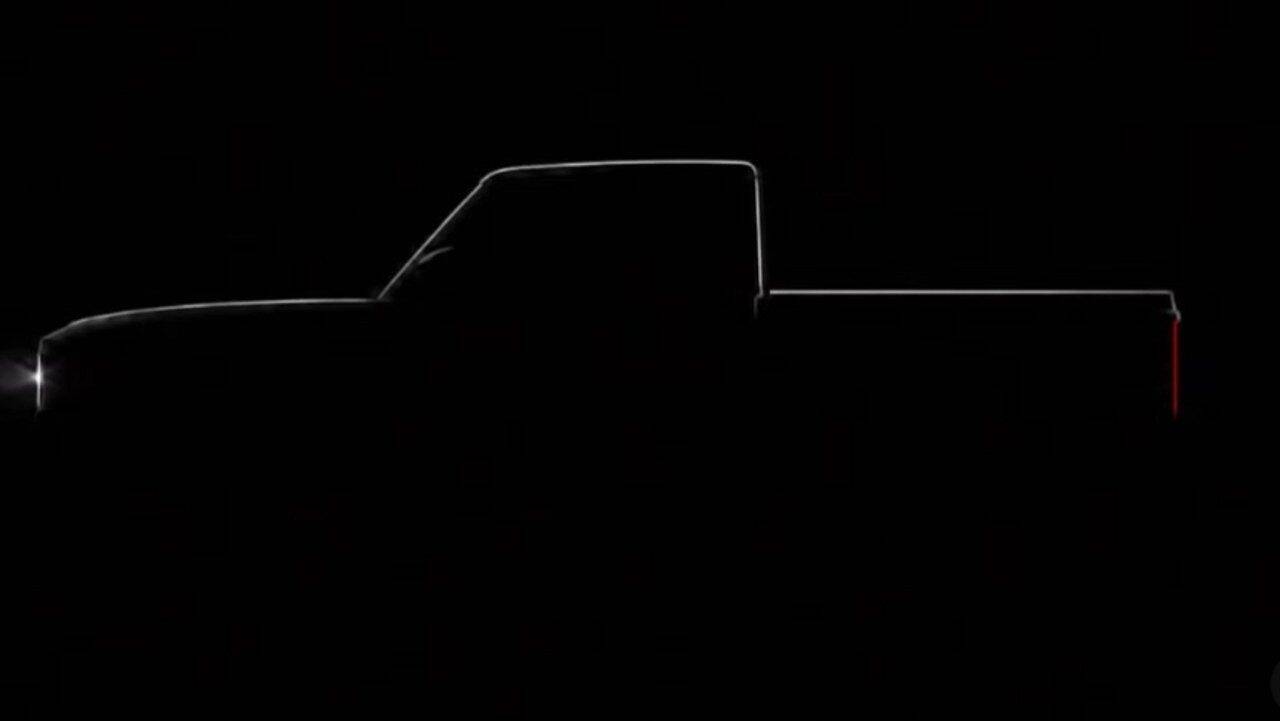
How the brand’s century-old legacy influences the development of the new pickup truck
Understanding the importance of the logo that will adorn the front of the utility vehicle requires a trip to the past of the North American automotive industry. The name carries an immense historical baggage, which began to be built in 1905 with the founding of the REO Motor Car Company. Ransom Eli Olds, the project’s creator, opened the new company shortly after leaving the command of the iconic Oldsmobile, with the aim of applying advanced engineering concepts to that era. Over the following decades, the original manufacturer consolidated an image of extreme trust, focusing on the production of large trucks and cargo vehicles capable of supporting the heavy routine of farms.
Leading the revival of this classic identity is Zach De Bernardi, current executive director and creator of the automaker’s new phase. The executive purchased the legal rights to the brand, transferring all the reputation for durability from the last century to the present day. Even though the current headquarters in Texas represents a corporate operation completely separate from that which existed in the 1900s, the essence of the products remains the same. The main objective is to deliver efficient work equipment, leaving aside the luxury items that have drastically increased the price of the pickup truck market in the last two decades.
Recovering this heavy-duty profile serves as the new manufacturer’s main sales tool. Far from offering sports car performance or autonomous driving technologies, the developer team focuses its efforts on ensuring that mechanical parts last as long as possible. The guarantee of selling a car that can withstand the routine of rough services without presenting mysterious electronic breakdowns has already aroused the interest of fleet owners and small entrepreneurs focused on cutting maintenance costs.
Compact dimensions and mechanical assembly designed to withstand heavy work
The entire structure of the new utility family was designed to offer maximum use of space in lean dimensions. The most affordable version will measure around 4.57 meters from one end of the body to the other. This size is practically identical to that of a conventional medium sedan, such as the Honda Civic, which makes driving in heavy traffic in large cities and using common parking spaces much simpler. However, even though it is compact, the base of the vehicle uses a classic spar chassis, providing the structural strength required to carry real weight.
Under the hood, the absence of complexity dictates the pace of engineering design. The driving force will come from a four-cylinder gasoline engine, working in conjunction with a purely mechanical 4×4 coupling system, leaving out the electronic sensors that tend to fail over time. Customers will have the option of taking a manual transmission, ideal for those who need precision in the dirt, or a six-speed automatic transmission. The strongest point of this mechanical package is its ability to travel an impressive 965 kilometers, almost three times the distance that Slate’s electric rival can travel.
The resistance of this set not only appears in the savings on trips to the gas station, but also in the ability to pull loads. Official data reveals that the model can tow up to 2,041 kg, a volume that leaves behind many sedans and SUVs sold in this same price range. To top it all off, the automaker’s technical team set an unusual longevity target for the engine and gearbox, estimating that the vehicle could travel around 804,560 kilometers before requiring any type of heavy corrective maintenance.
Available body options and the visual influence of Japanese microcars
Seeking to attract different types of buyers, the company organized its initial catalog with three body formats. This variety means that the same structural base serves both independent rural workers and families seeking adventures in nature. The secret to keeping the price in the twenty thousand dollar range is precisely the massive sharing of components between all versions. The configurations already confirmed for the market are as follows:
- The Runabout T4X pickup truck, which has a single cabin and two doors, guaranteeing the largest possible cargo space for those who need to transport construction materials and agricultural products.
- The Runabout T4C model, equipped with a double cabin and four doors, which slightly reduces the cargo area to be able to transport up to five people on longer journeys.
- The Runabout S4C version, a fully enclosed sports utility vehicle that uses the pickup truck chassis, ideal for traveling on dirt roads and keeping equipment protected from rain and sun.
In terms of appearance, the assembly line solemnly ignores the aerodynamic designs that are popular in large automakers today. The first sketches show a body full of right angles, with a square shape that directly refers to the famous “Kei cars” from Japan. These small Asian vehicles are known for making use of every inch of the cabin thanks to their box shape. The Texas brand embraced this idea, focusing on improving the field of vision for those behind the wheel and making it cheaper to change bodywork parts in the event of crashes, leaving beauty in the background.
Elimination of luxury equipment and deadlines for first deliveries
Being able to sell a new car for $21,500 in today’s economy requires severe cuts to the factory inventory list. The interior of the entry-level model will be the portrait of automotive minimalism. Equipment that the market considers essential today, such as an integrated sound system or rubberized plastic on the doors, will not be part of the basic package. The instrument panel will only feature traditional buttons and mechanical controls, avoiding the trend of huge multimedia centers that increase production and repair costs.
The automaker’s commander made a point of justifying the absence of these technologies. According to De Bernardi, the company’s purpose is to return the original concept of a service vehicle to the market, creating a smaller, extremely affordable product that does not compromise the budget of a business that is just starting out. Those consumers who do not give up certain amenities will have the option of purchasing separate modules, installing electronic resources only if this is truly essential for their routine.
The road until these trucks start rolling on the roads will require some calm from buyers. The company has already launched a pre-sale system on its website, asking for a deposit of just US$25 for anyone who wants to secure a place on the waiting list. The presentation of the final look that will go into stores is scheduled for the last months of 2026. The manufacturing of the first test prototypes will take place during 2027, while the keys should only be delivered to end customers in the last quarter of 2028.





