
Unprecedented botanical species is revealed in Minas Gerais after twelve years of research

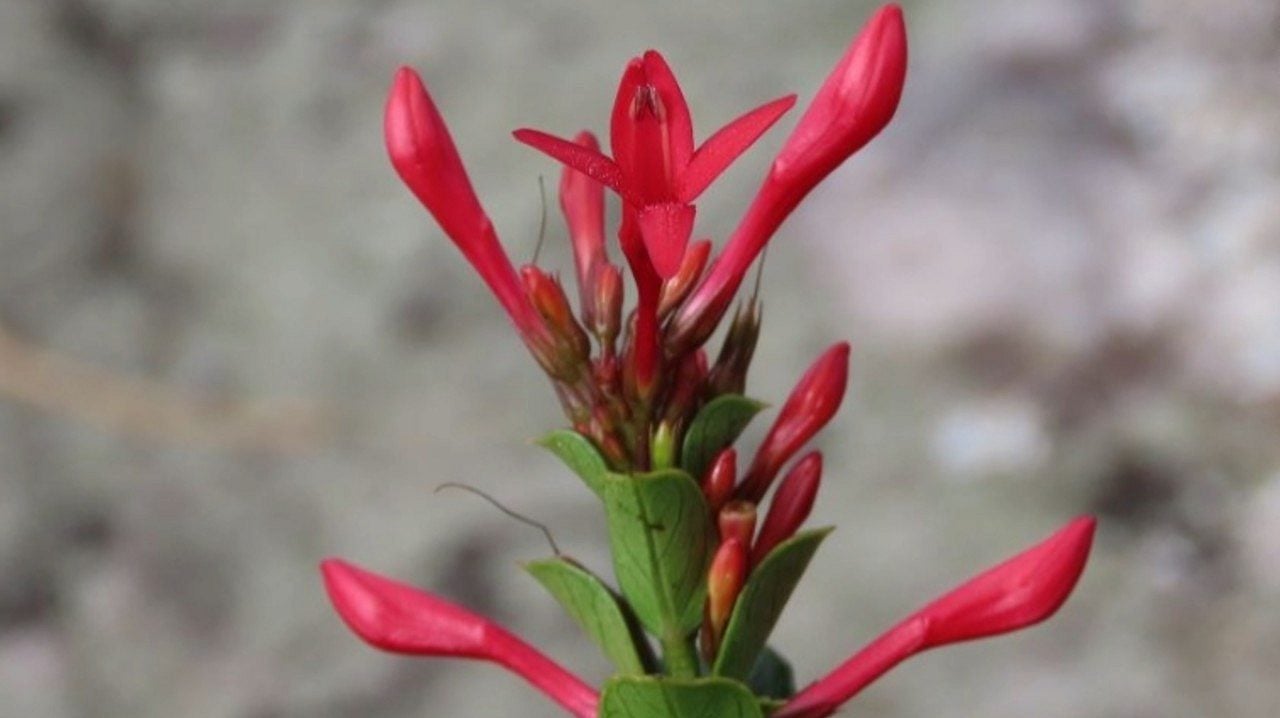
A plant with reddish flowers, found in a mountainous area in eastern Minas Gerais, has kept scientists intrigued for more than a decade. The initial collection, in 2013, did not allow the identification of the species until recent genetic analyzes revealed its true nature: not only was it a new plant for science, but it also represented the first record of the genus Oplonia in Brazil, as revealed.
Known scientifically as Oplonia doceana, the species exclusively inhabits the rocky fields of Serra do Padre Ângelo, covering the municipalities of Conselheiro Pena, Alvarenga and Santa Rita do Iueto, in the middle Rio Doce basin. The discovery was detailed in the scientific journal Plant Systematics and Evolution, expanding knowledge about the distribution of this botanical genus in South America.
Researchers detail the unusual discovery of the new species
Botanist Paulo Gonella, researcher at the National Institute of the Atlantic Forest (INMA) and main author of the study, explained that the story began during an expedition in search of another rare species in the region. He reported that he was looking for Drosera magnifica, a large carnivorous plant also found in Serra do Padre Ângelo, when he saw a bush with red flowers that captured his attention.
The plant sample was sent to the laboratory, but both scientific literature and experts in the plant’s botanical family were unable to determine its identity. The impasse was only resolved after sequencing part of the DNA, which made it possible to understand its evolutionary history and identify its connection with the genus Oplonia, which until then had no records in Brazilian territory.
Distant connection: how Oplonia relates to species in other countries
Genetic analyzes indicated that the closest relative of Oplonia doceana is Oplonia jujuyensis, present in Argentina and Bolivia. This revelation raises important questions about how a genus, previously restricted to other countries on the continent, emerged in Brazil and how these species may have spread thousands of kilometers apart over time.
Gonella suggested that, during glacial periods, the South American continent had vast open and rural areas that were more interconnected than today. This connectivity would have facilitated the migration of species between the Andes and eastern Brazil. With subsequent climate changes, the expansion of the Atlantic Forest would have isolated these lineages in specific regions, resulting in the uniqueness of the recently discovered Oplonia doceana.
Serra do Padre Ângelo consolidates itself as a cradle of new species
Oplonia doceana is just one of many organisms revealed in recent years in Serra do Padre Ângelo and neighboring mountain ranges, located in the middle Rio Doce. More than 40 new species of plants have recently been described in the area, in addition to several insects and other animals. Many of these discoveries are endemic, that is, they exist exclusively in this region.
The botanist highlighted that part of this wealth is intrinsically linked to the rupestrian fields, one of the ecosystems with the greatest biodiversity in the country. He explained that, although many people associate biodiversity only with forests, rock fields are home to a wide range of species due to the complexity of the relief and the variety of their micro-habitats. Another relevant factor is that the region remained largely unexplored by science until about a decade ago, which favored the revelation of numerous microendemic species.
Conservation status of the new species raises alert for the region
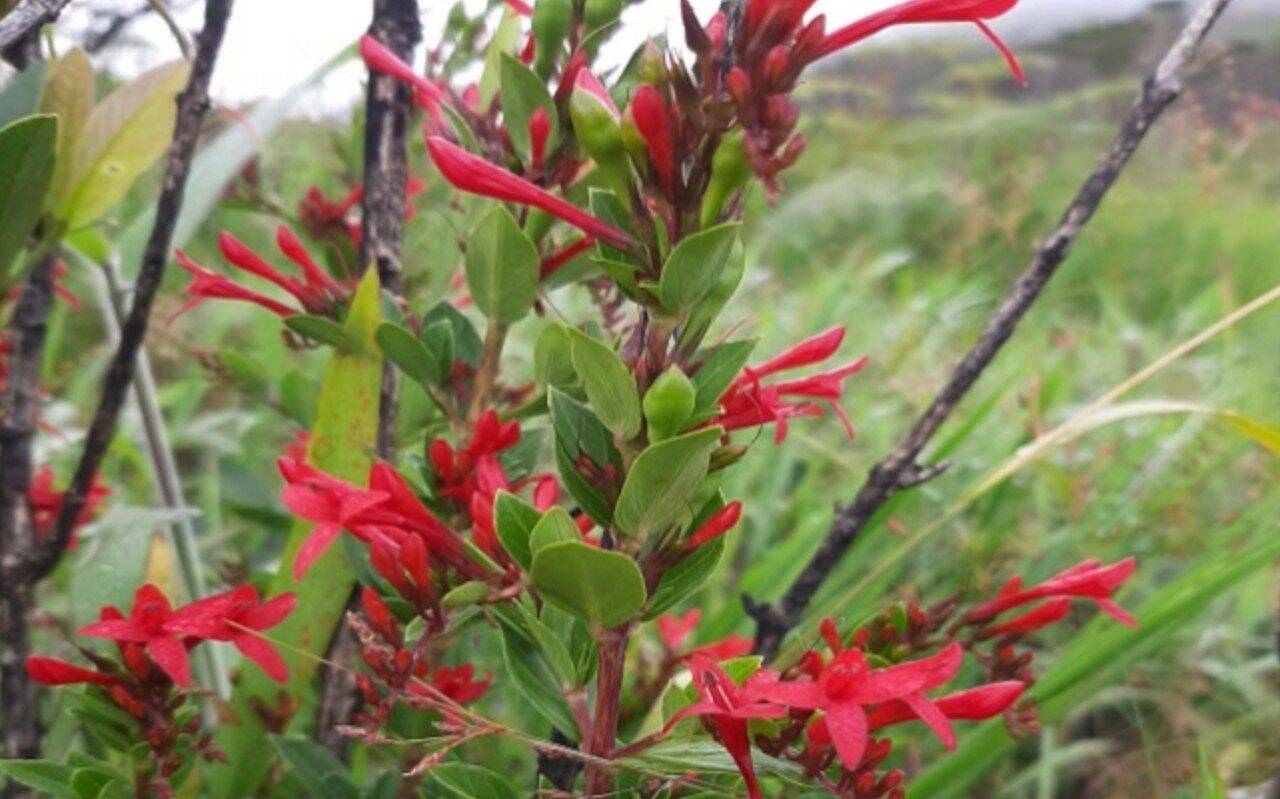
Despite the euphoria over the discovery, the conservation status of Oplonia doceana is a cause for great concern for the scientific community. The plant was classified as “Endangered” according to the criteria established by the International Union for Conservation of Nature (IUCN).
Oplonia doceana has an extremely restricted geographic distribution and its populations occur only in preserved stretches of rupestrian countryside. Researchers do not yet have an exact count of the number of individuals in nature, as the shrub is difficult to identify when it is not in flower, which makes census difficult. Currently, only one confirmed population is protected within the Sete Salões State Park, while the others remain vulnerable to various external threats.
Among the main risks to the survival of the species are forest fires, which open the way for the advancement of invasive species. Fatgrass, a grass of African origin, competes with native vegetation, shading the soil and, consequently, “suffocating” local plants, including the new Oplonia doceana.
Species name pays tribute to the Rio Doce watershed
The name “doceana” was chosen in reference to the Rio Doce basin, where all known populations of the plant were found and recorded. According to Paulo Gonella, the intention behind the nomination is to highlight an area often associated with major environmental impacts, but which surprisingly continues to reveal extraordinary biodiversity.
The identification of this plant highlights that, even in one of the richest countries in biodiversity in the world, there is still a vast universe of species to be discovered and cataloged by science. Oplonia doceana, a mystery for more than a dozen years, serves as a reminder of the ongoing importance of research and the urgency of protecting these mountains before it is too late.




