
The autonomy of the Galaxy S27 Ultra raises concerns and may not surpass Apple rivals

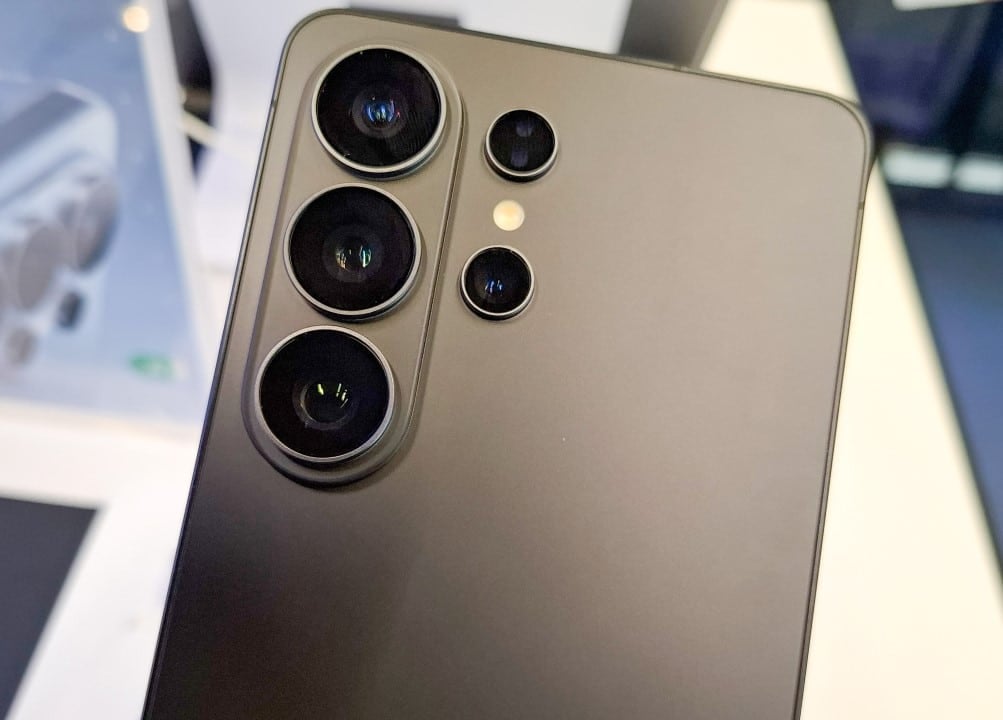
Samsung’s next high-end smartphone, the Galaxy S27 Ultra, may feature a battery with a slightly larger capacity, but expectations indicate that the device will still have difficulty reaching the real-life autonomy offered by Apple’s latest iPhones. New leaked information suggests that Samsung may not deliver the expected advances in battery performance, which would potentially leave its flagship model behind the future iPhone 18 Pro Max in terms of duration.
New information about the Galaxy S27 Ultra battery presents divergences
Data regarding the Galaxy S27 Ultra’s battery capacity has varied significantly in recent months, creating uncertainty about the device’s final specifications.
Back in March, earlier speculation pointed to the possibility of Samsung equipping the handset with a substantial 7,000mAh battery, which would represent a notable leap forward from previous Ultra editions.
Later, in June, leak expert Debayan Roy released a more conservative estimate, suggesting a battery of around 6,000 mAh for the device.
More recently, another well-known source, identified as Schrödinger, stated that Samsung would be considering battery options with 5,600 mAh or 5,800 mAh.
If this information is confirmed, it would be the first increase in battery capacity in Samsung’s Ultra line since the Galaxy S20 Ultra, after several generations that maintained the 5,000 mAh standard.
Although the increase is considered modest, many Galaxy users would still welcome any type of improvement with optimism, after a period of minimal battery updates.

However, it’s important to note that not all sources are in line with the latest battery capacity leaks.
Influential leaker Ice Universe refuted Schrödinger’s report, stating that there is currently no reliable evidence that the Galaxy S27 Ultra will launch with a 5,800 mAh battery.
According to Ice Universe, the Samsung SDI division may, in fact, be conducting tests with higher capacity battery cells, but this does not guarantee that Samsung’s smartphone division, Samsung MX, has decided to incorporate them into a commercial product.
Samsung uses batteries from multiple suppliers, which means ongoing research into new battery technologies is not automatically a direct indication of production plans for the Galaxy S27 Ultra.
Consequently, the device’s ultimate battery capacity remains a mystery, and all current numbers are based purely on speculation from the technology sector.
Apple may continue to lead in terms of battery life
While both Apple and Samsung avoid the tendency of Chinese manufacturers to implement 7,000 mAh batteries, their strategies for optimizing autonomy differ in execution.
Instead of focusing solely on drastically increasing capacity, both companies direct their efforts towards processor efficiency and improvements in software optimization, aiming to extend battery life in everyday use.
Recent tests, however, indicate that Apple has achieved superior results with this approach.
Internal performance results, mentioned in industry reports, suggest that the Galaxy S26 Ultra offers approximately two hours less battery life compared to the iPhone 17 Pro Max.
A similar pattern was observed in the previous generation of devices. The iPhone 16 Pro Max, even with a 4,688 mAh battery, would have achieved around 8 hours and 30 minutes of continuous use, surpassing the approximately 8 hours of the Galaxy S25 Ultra, which has a larger 5,000 mAh battery.
These comparisons consolidate a growing trend in the market: mAh capacity, in itself, is no longer the main indicator of battery life.
Current rumors suggest that the iPhone 18 Pro Max could increase battery capacity to around 5,391 mAh, combining this improvement with Apple’s future A20 Pro processor and new software optimizations in the iOS 27 system.
If this information is confirmed, Apple’s flagship model could remain on par with – or even surpass – its Android competitors, even those equipped with significantly larger batteries.
At the same time, expectations that Samsung would launch the Galaxy S27 Ultra with a 7,000 mAh battery have diminished considerably.
Despite the prediction that the next Snapdragon 8 Elite Gen 6 Pro processor, developed by Qualcomm, will bring significant gains in energy efficiency, doubts still persist as to whether these isolated improvements will be enough to surpass the battery performance offered by Apple.
Galaxy line consumers still wait for higher capacity batteries
Battery life has established itself as one of the most requested improvements by Samsung users in their surveys and feedback.
In various technology forums and Galaxy user communities, demands for higher capacity batteries consistently appear as a priority, ahead of improvements in cameras, screens and design.
A recent online survey showed that almost 53% of respondents indicated greater battery capacity as the most desired improvement for the upcoming Galaxy S27.
Many consumers argue that Samsung has lagged behind Chinese smartphone makers, which today often offer batteries with 6,000 to 7,000 mAh, managing to maintain slim device profiles thanks to the use of new battery technologies. So far, Samsung has not released any official specifications about the Galaxy S27 Ultra’s battery.
Based on the most credible leaks available so far, it is likely that the next high-end model in the Ultra series will feature a battery with a capacity between 5,000 mAh and 5,500 mAh, and not the significant increase that many fans expected.
If these reports are confirmed, Samsung could once again frustrate users yearning for a significant jump in battery performance.
As Apple continues to improve the energy efficiency of its models, such as the upcoming iPhone 18 Pro Max, the competition for the best battery life between the two technology giants promises to remain fierce.



