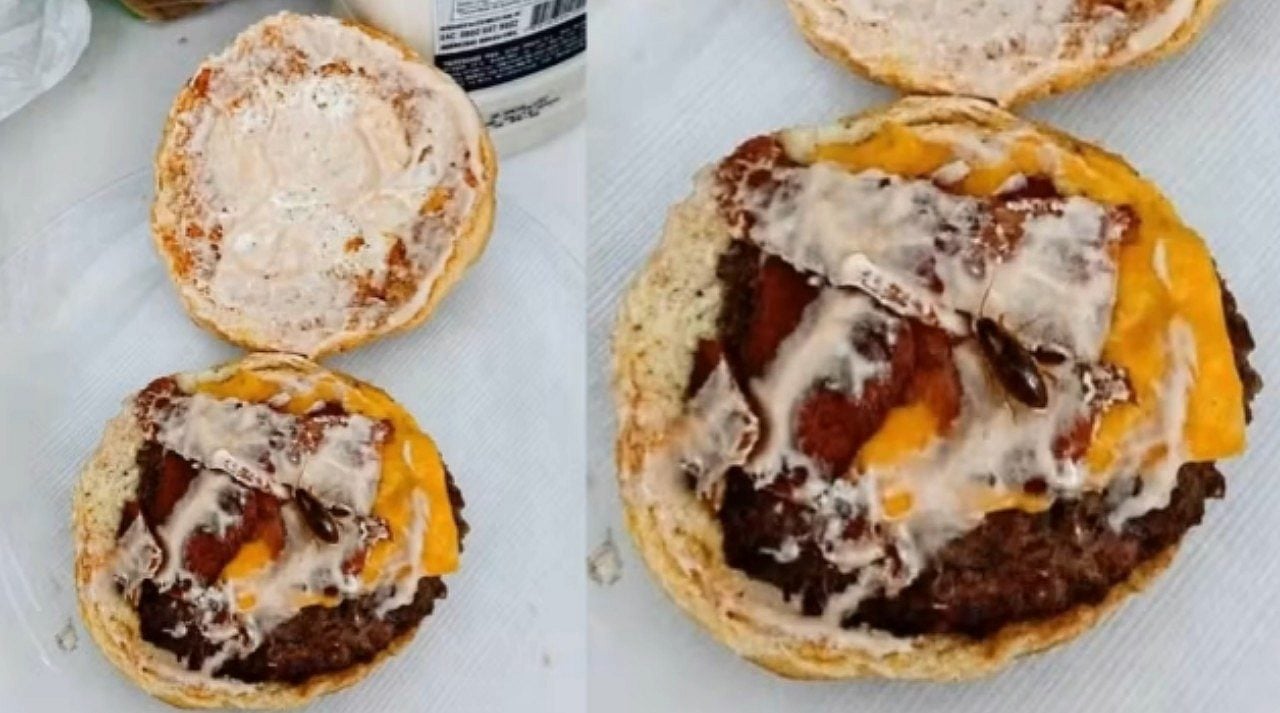
A recent case registered in the Metropolitan Region of Curitiba exposes a new type of crime against small entrepreneurs. Owners of a gastronomic establishment in São José dos Pinhais needed to act as digital experts to avoid financial losses. The target of the action was a delivery order, in which the buyer demanded the return of the money paid under the allegation of food contamination. The consumer’s justification was based on a photograph manipulated by image generation tools.
The flow of service followed the normal business routine until early evening. The system record indicates that the purchase took place at 7:28 pm through a digital delivery intermediary platform. The motorcycle courier completed the route and delivered the package to the user’s home address at 7:57 pm. Almost an hour and a half after confirming receipt, the store’s customer service channel received notification of non-compliance.
Visual inconsistencies dismantle the contamination narrative
The message sent by the chat app contained a tone of indignation and an immediate demand for a refund. The text stated that the product had arrived with damaged packaging and contained an insect among the ingredients. The complainant reported feeling repulsed, declaring that he lost his appetite and the amount invested in the meal. The attached image showed what appeared to be a cockroach on the top of the bread.
The team responsible for quality control began standard checking for incidents of this severity. During the thorough analysis of the digital file, employees noticed elements that did not match the reality of the kitchen. Alisson Zen, owner of the business, took over the internal investigation and identified the use of artificial manipulation. The first detail that caught our attention was the condition of the insect, which appeared completely clean, with no residue of fat or sauce around its legs.
Another blunder in the editing algorithm involved the architecture of the dish. The businessman explained that the assembly follows a strict standard, in which mayonnaise is applied exclusively to the base of the snack, never to the top. The photograph sent showed the sauce spread exactly on the lid, contradicting the location’s preparation manual. In addition to the incorrect position, the color of the cream generated by the computer differed from the artisanal recipe served to customers daily.
The unsuccessful attempt to collect material evidence
With evidence of fraud in hand, management adopted the reverse logistics procedure. A delivery man was dispatched back to the residence to collect the item allegedly unfit for consumption and perform physical analysis. The professional arrived at the gate and tried to contact us several times. The resident ignored the calls and refused to hand over the material, confirming the suspicions of the service team.
Legal implications for fraud on delivery platforms
The manipulation of photographic records to obtain undue financial advantages constitutes a crime provided for in the Brazilian Penal Code. Delegate Emmanoel David, a specialist in infractions of this type, clarifies that the conduct falls perfectly within the classification of embezzlement. Ease of access to editing applications does not exempt the perpetrator from criminal liability for the act. The police treat these incidents with the same rigor applied to traditional financial scams against banking institutions.
The aggravating factor in this specific scenario involves the direct accusation against the company’s health reputation. The police authority details that falsely attributing a serious hygiene failure to a restaurant generates additional consequences. The individual is now also responsible for the crime of falsely reporting a crime. Penalties can be added, regardless of whether the financial reversal was carried out by the platform or blocked in time by the retailer.
Protection strategies for the food away from home sector
The exponential growth in false reports requires a change of attitude on the part of restaurant owners. The dependence on digital intermediaries creates an environment where the buyer’s word tends to have greater initial weight in automatic refund algorithms. To balance this scale, businesses need to establish a chain of custody for their own deliveries. Producing evidence in advance becomes the main barrier against technological extortion.
- Installation of high-resolution cameras aimed exclusively at the packaging assembly and closing benches.
- Use of numbered security seals or those with destructible technology, which show any attempt to open them during the journey.
- Temporary archiving of photographic records of each completed order before delivery to the motorcycle courier.
- Training the service team to identify anomalous patterns in photos sent through support channels.
Visual documentation of the production process eliminates the possibility of insertion of foreign bodies during preparation. When the retailer is able to prove that the bag was tamper-proof and the food was assembled correctly, the responsibility falls entirely on the end consumer. This evidentiary material is required by delivery platforms to reverse payment blocks. The agility in presenting this evidence defines the success of the dispute on the part of the trader.
The impact of technological advances on retail security
The popularization of image generators based on neural networks has changed the security dynamics in e-commerce. Just a few years ago, faking contamination required actually capturing an insect and deliberately inserting it into the dish itself. Today, simple text commands in mobile apps create hyper-realistic scenarios in seconds. This almost non-existent barrier to entry for fraud multiplies the volume of daily attempts against small neighborhood businesses.
The damage goes beyond the individual value of a returned burger. The time spent by support teams investigating each case affects the productivity of the entire gastronomic operation. Merchants who suffer multiple scams lose scores in app rankings, which reduces the visibility of their stores to new customers. Adapting to this scenario requires investments in monitoring technology that were often not foreseen in the initial budget of family businesses.