Genetic cholesterol Lp(a) triples the risk of heart attack and gains new medical attention

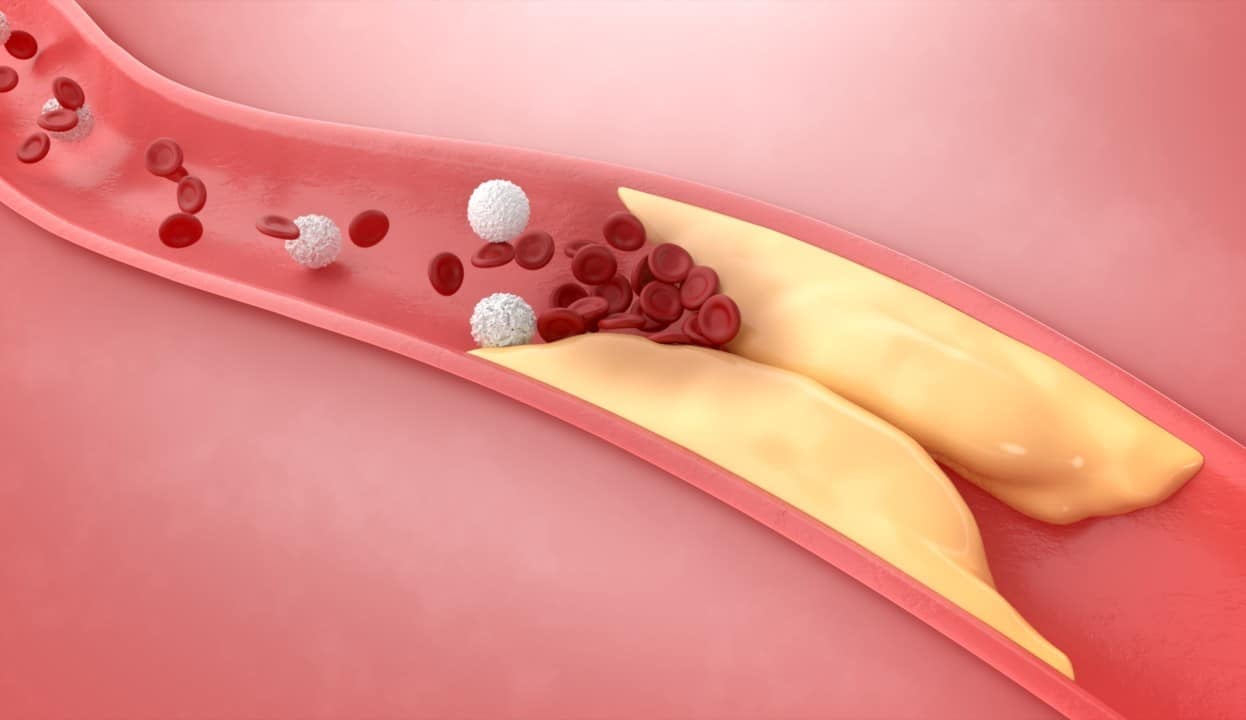
A specific fraction of cholesterol, lipoprotein(a) — or simply Lp(a) — has worried cardiologists due to its strong link with the risk of heart attacks, being largely determined by genetic inheritance and resistant to conventional treatments. While medicine celebrates the approval of new drugs for LDL cholesterol, the “bad” one, announced this Thursday, July 16, 2026, in the United States, the focus turns to this silent enemy that demands a different approach. The search for effective solutions for Lp(a) is one of the greatest current challenges in cardiology.
The silent threat of lipoprotein(a) and its genetic origin
Unlike LDL cholesterol, whose levels are significantly influenced by lifestyle habits and can be controlled with medications such as statins, lipoprotein(a) has its concentration in the blood defined almost entirely by individual genetics. It is estimated that approximately 90% of its value is determined by family inheritance. This particularity makes it a marker of cardiovascular risk that does not respond to diet, physical exercise or most drugs currently available to reduce cholesterol.
The complexity of Lp(a) lies precisely in its origin. People are born with a predisposition to have higher or lower levels, making it impossible to correct it just with lifestyle changes. This genetic characteristic means that around one in five people have high levels of lipoprotein(a) without even being aware of it, as the test is not routinely requested.
Understanding the cardiovascular risk associated with elevated Lp(a)
Interest in lipoprotein(a) intensified as observational studies revealed a direct association between high levels of lipoprotein(a) and serious cardiovascular outcomes. Patients with values above 50 mg/dL, which correspond to the highest quartile of the population, face an up to three times greater risk of suffering a heart attack. In addition to its impact on the heart, Lp(a) also contributes to aortic valve calcification, a common problem in the elderly.
It is important to highlight that lipoprotein(a) acts independently of LDL. This means that two people with the same “bad” cholesterol level can present very different cardiovascular risks, depending on the concentration of Lp(a) in their bodies. This fraction acts as an additional indicator of danger, which requires a more in-depth assessment of heart health.
Why is it essential to measure lipoprotein(a) and how to act now?
For many years, the measurement of lipoprotein(a) was considered to be of little practical relevance, since there were no specific treatments to reduce it, and its results rarely changed medical management. However, this scenario has changed rapidly. New guidelines, such as the one published in March 2026 by the American College of Cardiology and the American Heart Association, recommend measuring Lp(a) at least once in a lifetime for all adults.
This guidance aims to allow each individual to know their intrinsic cardiovascular risk. This is a simple blood test, carried out just once, as the Lp(a) value tends to remain stable throughout life. Although the discovery of an elevated lipoprotein does not mean, for now, the start of a specific treatment to lower it, it serves as a crucial warning to intensify the control of all other risk factors that can be modified.
- The main actions recommended for those with high Lp(a) levels are:
- Keep LDL cholesterol at low levels.
- Control triglycerides strictly.
- Monitor blood pressure constantly.
- Manage blood glucose to avoid imbalances.
- Practice physical activity regularly.
- Adopt a balanced and healthy diet.
Promising prospects with new treatments in development
The therapeutic gap for lipoprotein(a) may be about to be filled. Several pharmaceutical companies are developing substances to reduce this fraction of cholesterol, with Novartis’ pelacarsene being one of the most advanced. This medication, administered in monthly injections, demonstrated in initial studies an ability to reduce Lp(a) by around 80%.
Pelacarsene is the focus of the Horizon study, the first large clinical trial to investigate whether lowering Lp(a) levels actually translates into a reduction in heart attacks and strokes. With more than 8,000 patients followed for years, the results are eagerly awaited and should be presented at the Congress of the European Society of Cardiology (ESC), in Munich, at the end of August 2026. Other therapies, including a tablet version, are also in the testing phase.
Even though the promise is great, the medical community maintains an important caveat: the reduction of lipoprotein(a) has not yet been proven to be synonymous with reducing cardiovascular events. Research that demonstrates this direct relationship, with an effective reduction in heart attacks and strokes, generally requires more than five years of follow-up. The soon-to-be-released studies are the first steps toward filling this gap and determining whether, in fact, intervening in Lp(a) levels can save lives.