
Kioxia Holdings plummets on the Japanese stock market and raises alarm about the sustainability of the AI market in Japan

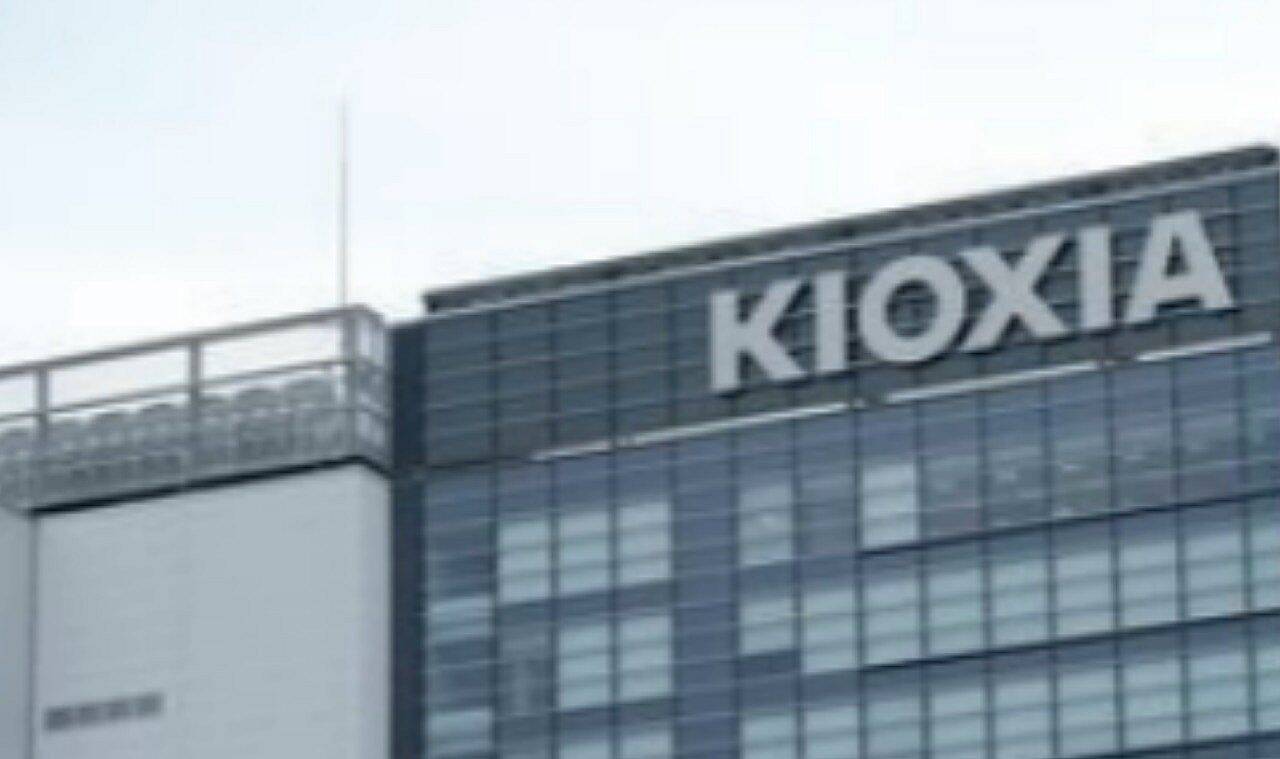
Kioxia Holdings shares fall sharply amid skepticism about AI sector
Shares of Japanese semiconductor giant Kioxia Holdings are down 52% from their recent peak on June 22. The devaluation, seen on the Tokyo Stock Exchange on Friday, July 17, comes against a backdrop of growing investor skepticism about the sustainability of the current boom in the artificial intelligence sector. On the day of the sharpest drop, the company’s shares reached 52,110 yen, representing a decrease of 10,000 yen (16%) compared to the previous day’s closing and reaching the minimum appreciation limit. Kioxia’s market capitalization has decreased by approximately 30 trillion yen.
Understand the impact of the growth of artificial intelligence on Kioxia
The dizzying growth in demand for artificial intelligence has driven massive investments in data centers by large American cloud service providers, known as hyperscalers. This movement led to a significant increase in memory semiconductor prices, resulting in a rapid expansion of Kioxia’s performance. In June, this appreciation propelled the company to briefly become the most traded in Japan in terms of market value, with its shares reaching 108,700 yen at closing.
Reasons behind the sharp drop in stock values
Kioxia’s recent strong appreciation has generated an accumulation of long positions on margin, raising concerns about a possible correction in share prices due to the unwinding of these positions. Furthermore, the decision by US investment fund Bain Capital to sell all its holdings was interpreted by some as a sign that the semiconductor market and stock prices could have reached an inflection point. Short-term investors rushed to take profits in anticipation of a stabilization in memory prices globally, especially with attention focused on Chinese companies in the sector.
Expert opinion on market volatility
Hirotaka Tsuboi, chief strategist of Daiwa Securities’ Investment Information Department, commented that the Kioxia case is “an excellent example of a sector whose share prices have soared, so it’s probably time to let the overheating subside.” For Masahiro Ichikawa, chief market strategist at Sumitomo Mitsui DS Asset Management, “the current correction in the shares of artificial intelligence and semiconductor companies is largely due to supply and demand factors”, citing the impact of leveraged ETFs in South Korea. He believes that if financial results remain strong in the coming balance sheets, both in Japan and the US, there will be room for a recovery, even with falling valuations.
Kioxia as an indicator for the future of the Japanese index
Despite the recent halving of its peak value, Kioxia Holdings shares are still up approximately 400% year to date, keeping it as the best performing stock on the Tokyo Stock Exchange Price Index (TOPIX). As it is considered a symbolic action in the artificial intelligence sector, which contributed to the all-time high of the Japanese stock index, its future price movements will be closely watched as a crucial indicator for the future direction of the market.





