
Third part of Final Fantasy VII Remake breaks exclusivity and arrives on Xbox and PC at launch

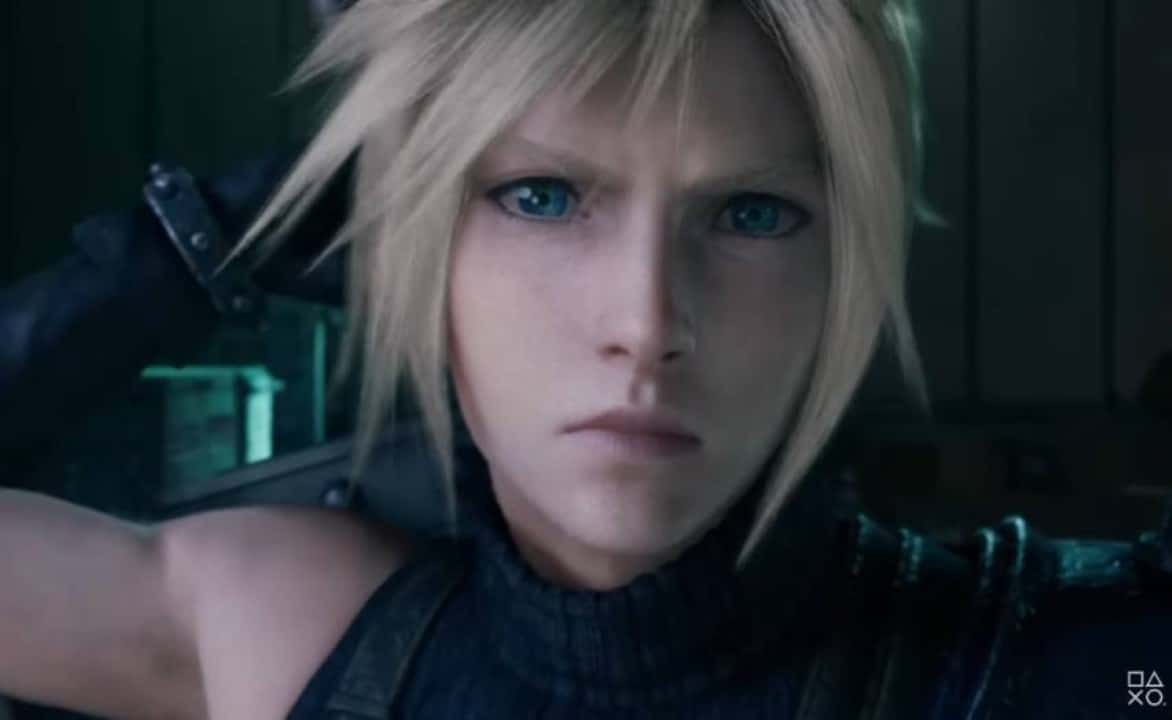
Japanese producer Square Enix decided to drastically change the commercial route for the conclusion of the acclaimed trilogy that reimagines the 1997 classic. Unlike what happened with the first two chapters of the saga, which remained restricted to Sony consoles for long periods, the third and final part of the project will debut simultaneously on PlayStation 5, computers and also on Xbox Series X|S systems. This maneuver ends the strict exclusive partnership maintained with the PlayStation brand for this specific franchise, highlighting a new guideline from the developer focused on embracing multiple platforms to boost global revenue on the first day of sales.
The main driver behind this change in stance is the need to correct the audience fragmentation observed in previous releases. The company’s executives and developers understood that in the current industry scenario, where budgets for high-caliber productions often exceed the two hundred million dollar mark, limiting initial access to just one piece of hardware is an immense financial risk. By making the title available on all fronts at once, the company avoids the natural drop in interest that affects computer players and Microsoft consoles, who previously had to wait months or even years to experience the adventure, thus ensuring a more robust and immediate financial return.

Square Enix’s new commercial guideline prioritizes global player reach
This strategic turn is fully in line with the recent business restructuring plan announced by the producer at the beginning of 2024, which aims to diversify sources of income and recover fiscal stability. After a thorough analysis of sales reports linked to temporary exclusivity contracts, the company’s top management concluded that restricting the scope of its works increases the opportunity cost. From now on, corporate mentality dictates that important intellectual properties, such as the company’s renowned RPG series, must be within the reach of as many consumers as possible as soon as they hit virtual and physical shelves, maximizing their cultural and commercial impact.
Under the leadership of veterans such as producer Yoshinori Kitase, the creative team is committed to accelerating the pace of work to deliver the conclusion of the journey without the hitches of the past. By unifying the development schedule for all machines simultaneously, the studio eliminates the need to reallocate resources in the future to create late adaptations. This means that the editions intended for Microsoft computers and devices are being forged side by side with the Sony version, receiving the same level of polish and attention, which eliminates the calendar lag that frustrated a significant portion of the gaming community.
Experts in the digital entertainment market believe that this opening represents a monumental victory for the Microsoft ecosystem. With the aggressive expansion of the Game Pass subscription service and the consolidation of gigantic studios under the umbrella of the American brand after the purchase of Activision Blizzard, ignoring the installed base of Xbox users has become an unsustainable strategy for large eastern publishers. The arrival of the highly anticipated RPG on Xbox Series
The financial weight of exclusives and the response from the consuming public
To understand the magnitude of this change in route, it is necessary to look at the franchise’s recent history and how the market reacted to it. The kickoff of the recreation project hit the market in April 2020, restricted to PlayStation 4, later receiving a graphical update for the new generation, and remained shielded for more than a year before finally landing on computers, first on the Epic Games store and then on Steam. This long waiting period caused the fervor of discussions on social media to cool considerably, damaging organic engagement and, consequently, diluting sales potential when the product finally reached new audiences.
The scenario was repeated in February 2024 with the launch of the second chapter, which was confined exclusively to the PlayStation 5. Although the work was acclaimed by specialized critics, boasting very high scores in analysis aggregators, the financial statements indicated that commercial performance was below the publisher’s most optimistic projections. Part of this lukewarm result is attributed to the fact that the base of owners of Sony’s new generation hardware was still smaller compared to the previous game’s scenario, leaving millions of enthusiasts from other platforms left out of the game’s peak popularity moment. Now, the company seeks to break down this invisible wall once and for all.
The outcome of this epic promises to be a colossal event in the industry, combining a dense narrative with extremely refined game mechanics. The reimagining of the 1997 masterpiece will reach its peak of territorial expansion and scope. Without the financial support of a console manufacturer to guarantee exclusivity, the real acid test will be the ability of the mercenary Cloud Strife’s journey to win over consumers in a completely organic way in digital stores. A widespread launch on several fronts is seen as the only viable way to recover the huge investments injected into production, which easily exceed hundreds of millions of dollars.
Technical challenges and innovations expected to conclude the saga
Behind the scenes, software engineers face the immense challenge of ensuring visual quality and fluidity are identical across PlayStation 5, Xbox Series X, and computers with different configurations. Using cutting-edge tools, possibly advanced iterations of the Unreal Engine graphics engine, the team aims to deliver a vast world with seamless transitions between exploration and frenetic combat. As development was already focused exclusively on current generation machines, leaving behind the limitations of old devices like the PlayStation 4 and Xbox One, programmers can make the most of ultra-fast storage units (SSDs) and modern processors to create jaw-dropping scenarios.
Among the main features awaited by fans for this grand finale, crucial points stand out for the evolution of the gameplay and story that promise to redefine the experience:
- Full implementation of flight with the iconic Highwind aircraft, allowing completely free navigation through the skies of the world map without loading screens.
- The definitive conclusion of the dramatic arcs involving central figures such as Tifa, Aerith and Zack, answering the mysteries left open in the previous scripts.
- An even more robust battle system, which inherits the synergy mechanics of the previous title and adds new layers of strategy to real-time confrontations.
- Native and immediate support for image enhancement technologies such as Nvidia’s DLSS and AMD’s FSR, ensuring high frame rates on computers.
The community’s reception to this paradigm shift has been extremely warm, especially from Xbox console owners, who for years have felt left out by the Japanese producer’s decisions. In addition to democratizing access to pop culture, this stance intensifies competition in the hardware market, as consumers gain the freedom to choose which ecosystem they prefer to invest their money in to enjoy the title. Even without a date set on the official calendar for it to hit stores, the conclusion of the trilogy is already positioned as one of the most coveted entertainment products of this generation of video games.
As the production cycle moves into its most critical stages, analysts and rival studios are closely watching whether Square Enix’s multiplatform bet will bear the desired fruit. If commercial success is confirmed, this move has the potential to dictate the rules for the future of the company’s other renowned franchises, establishing a new distribution standard for high-budget games from Japan. The end of the recreation of this RPG legend not only marks the end of an unforgettable narrative, but also symbolizes the dawn of an era where the barriers of exclusivity on consoles increasingly lose their strength.





