
Apple launches iPhone 18 Pro Max and debuts on the foldable cell phone market

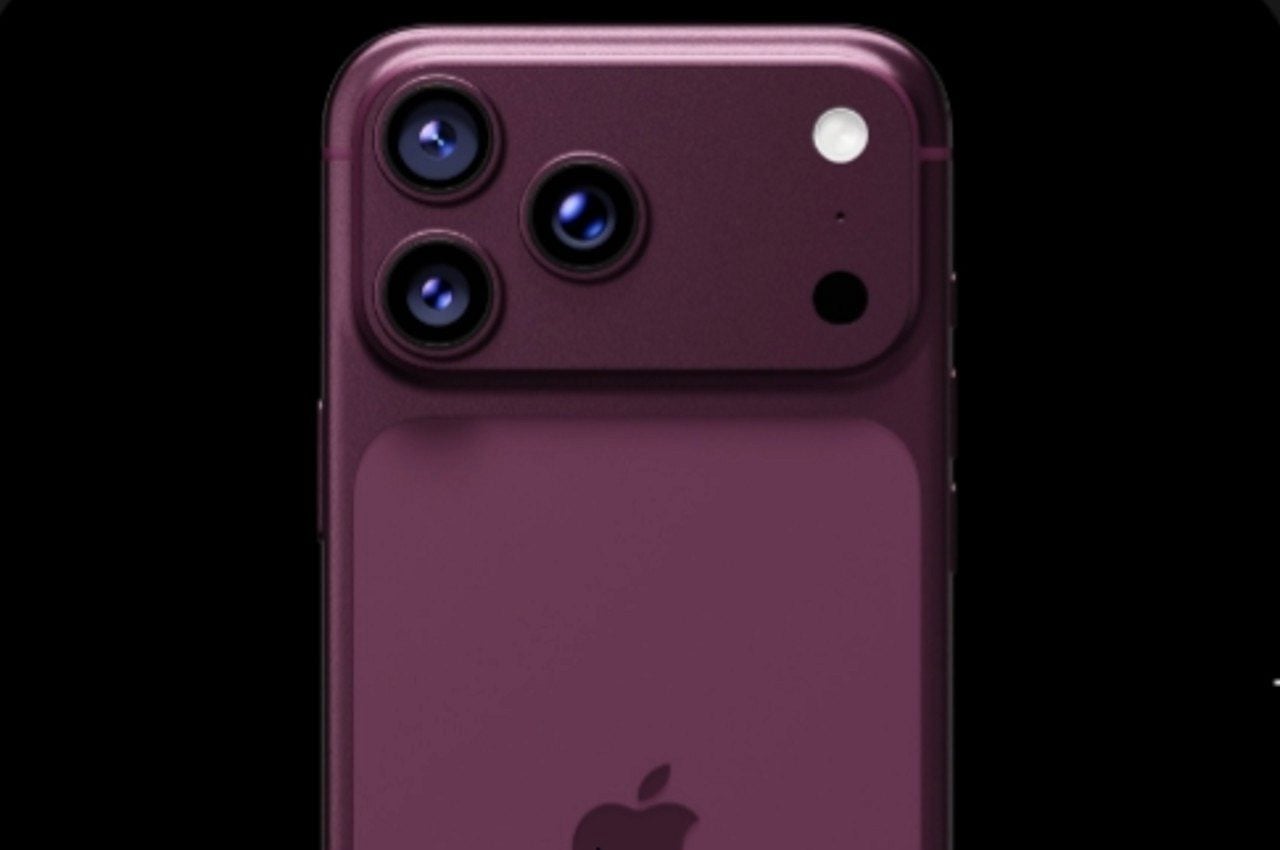
The Cupertino giant shook up the global technology market by revealing its latest line of mobile devices, highlighting the powerful iPhone 18 Pro Max, which now sports a 200-megapixel periscopic sensor and an unprecedented variable aperture mechanism. The big event also served as the stage for the long-awaited reveal of the iPhone Fold, the brand’s first flexible screen cell phone, a strategic move to rival Asian competitors that already dominated this niche. The new devices are expected to hit shelves in September 2026, costing from US$899 in the standard version and reaching US$1,199 in the most robust edition.
Innovations in the optical set bring the cell phone closer to professional cameras
Apple’s top-of-the-line model has undergone a profound redesign of its image capture module, delivering results that rival equipment dedicated to photography. The manufacturer incorporated a 1/1.12-inch main sensor, creating the largest light-gathering surface ever built into a company smartphone, which guarantees massive absorption of light with each click. This hardware advancement results in drastic suppression of digital noise in night or low-light scenarios, raising the quality standard even in the most adverse situations for photographers on duty.
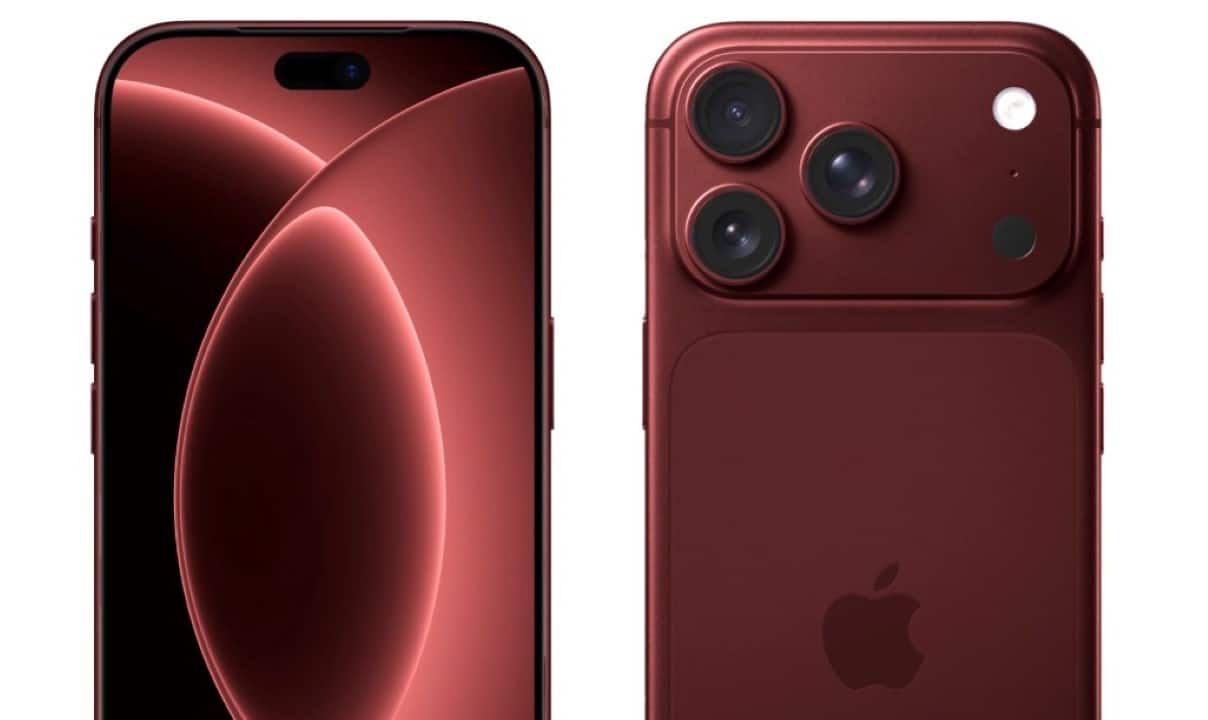
The big difference of this generation lies in the implementation of a lens with an adjustable diaphragm, giving the user the power to physically change the aperture before recording the moment. This optical engineering allows real control over depth of field, generating authentic background blur and eliminating the need for traditional software tricks that often fail when cropping. To complete the arsenal, the 200 MP periscopic lens guarantees extremely high-precision optical zoom, keeping sharpness intact even at extreme approximations, something highly demanded by audiovisual content creators.
The iPhone 18 Pro variant has a rear set with three lenses with formidable specifications for everyday life. The device is equipped with a 48-megapixel main camera, accompanied by an ultra-wide lens of identical resolution and a 64-megapixel periscopic sensor. Both more expensive versions of the line are capable of filming in impressive 8K resolution at 60 frames per second, relying on state-of-the-art algorithms that calibrate exposure and white balance instantly during recording.
Performance driven by new chip architecture and robust batteries
The heart of the new devices is the recently announced A20 Pro processor, which marks the debut of two-nanometer lithography, a technological leap awaited by the entire semiconductor industry that guarantees an unprecedented balance between brute force and energy savings. This advanced silicon works in sync with extremely high-density power cells, promising up to 26 hours of uninterrupted use away from sockets. In terms of capacity, the iPhone 18 Pro Max has a 5,200 mAh battery, while its smaller brother has 4,300 mAh, and there is also an extreme preservation mode that turns off superfluous features and extends the phone’s lifespan to up to 72 hours in emergency cases.
On the front, the displays adopt LTPO Super Retina XDR OLED technology, driven by modern M16 panels custom-made by Samsung. The most imposing model sports a 6.9-inch screen, while the conventional Pro version offers 6.3 inches of visual area. The fluidity is due to the ProMotion system, which dynamically adjusts the refresh rate up to 120 Hz, dropping to minimum frequencies when displaying static photos to save charge. Furthermore, the design team managed to shrink the so-called Dynamic Island, returning precious millimeters to the top of the screen to better accommodate the system icons.
- 12 GB of RAM capacity to support dozens of applications open simultaneously.
- Internal space alternatives that reach an impressive 2 TB in the Max edition.
- Implementation of the C2 modem, created by Apple itself to improve reception from cellular antennas.
- Built-in support for new Wi-Fi 7 and Bluetooth 6 connectivity standards.
- Expansion of the satellite communication network, allowing text exchange in regions without any traditional coverage.
The manufacturer’s long-awaited debut in the foldable device segment
The launch of the iPhone Fold puts the Apple company definitively in the race for cell phones that transform, a sector that grows by leaps and bounds year after year. The model adopts the popular book format, delivering a 5.5-inch external panel perfect for quick checks and one-handed navigation. When unfolded, the equipment reveals an internal 7.8-inch OLED display, converting into a compact tablet that promises to revolutionize the way users consume films, edit complex spreadsheets and read digital books.
The device’s articulation structure was the result of years of confidential research, resulting in a mechanism that practically eliminates the central crease of the flexible screen, an aesthetic flaw that still haunts models from rival brands. To optimize the design, the Touch ID fingerprint reader was relocated to the side on/off button, ensuring immediate access even when the cell phone is closed. Under the hood, the foldable inherits the power of the main line, bringing the A20 Pro chip, 12 GB of RAM and up to 2 TB of space, as well as a dual rear set headed by a 200 megapixel lens. The value stipulated for the global market is around US$2,000, targeting a select audience that does not give up on cutting-edge technology.
Operating system brings new features based on artificial intelligence
The entire new family of cell phones will come out of the box running the recently released iOS 27, software designed from the ground up to embrace the infinite possibilities of generative artificial intelligence. The famous assistant Siri underwent a profound restructuring of its programming, becoming capable of interpreting highly complex orders and remembering the context of a conversation for long periods. The system now has the ability to search information between different native applications to autonomously fulfill routines and schedules requested by the owner.
The native image manager has also been enhanced with editing tools that work alone, identifying framing errors and suggesting perfect cuts, in addition to allowing people or objects to be excluded from the photo background with a pixel reconstruction that borders on magic. When typing, the smart keyboard maps the user’s vocabulary and suggests entire sentences to respond to messages, based on the history of interactions. All of this was designed with an absolute focus on privacy, as the processing of these neural networks takes place physically inside the A20 Pro chip, without personal data having to travel to remote servers.
Market strategy divides the line to reach different consumer profiles
The standard model of the iPhone 18 takes on the role of gateway to this new ecosystem, arriving in store windows priced at US$899. The big news for this more affordable version is the inclusion of the ProMotion fluid screen, a luxury that in the past was exclusive to the more expensive variants. The look and processor have also been revised to support all the innovations of iOS 27, being offered in shades of dark cherry, light blue, dark gray and silver, marking the curious retirement of the classic black color. In turn, the iPhone 18 Pro starts at US$1,099, a value justified by the presence of cutting-edge image sensors and very high fidelity screens. This catalog division makes the brand’s intention clear: the base device caters to everyday consumers, the Pro line focuses on image professionals, and the unprecedented folding model seeks to hook enthusiasts of disruptive innovations.





