
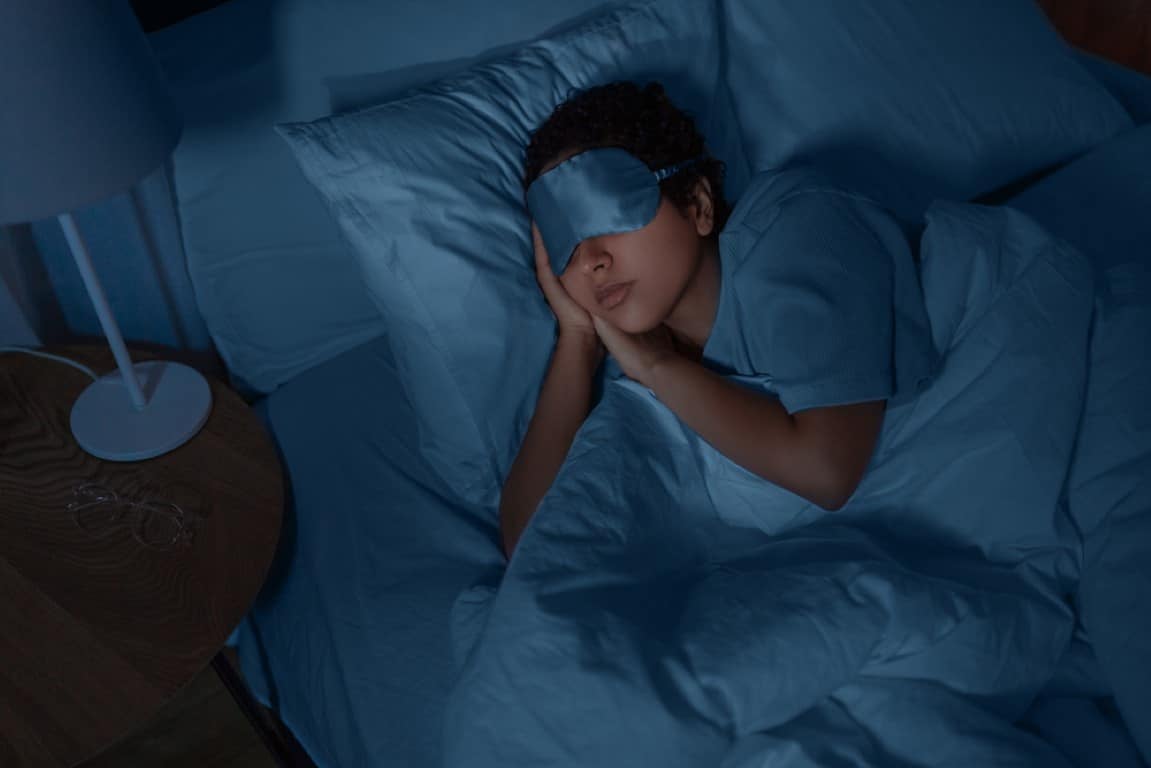
The moment of laying your head on the pillow should represent the height of daily relaxation, but for a significant portion of the population, it becomes a trigger for mental hyperactivity. Instead of shutting down, the brain begins a marathon of intrusive thoughts, bringing back memories from the past and anticipating the next day’s obligations. This cognitive turmoil drives away drowsiness, making the hours in darkness drag on in a distressing way. The interval between turning off the lights and waking up shortens drastically, generating a cycle of exhaustion that compromises the entire routine.
Global health data indicates that approximately six in ten individuals deal with regular episodes of difficulty sleeping. Within this group, at least ten percent face a chronic condition, dragging the problem on for months or even years. Experts from the Brazilian Sleep Association warn that continuous rest deprivation directly affects the central nervous system, damaging emotional regulation and the body’s cell regeneration capacity.
The condition of constant alert at night triggers a series of losses that manifest themselves severely during the day. Individuals affected by this disorder report an unwanted state of wakefulness exactly at the time when the body should begin the metabolic shutdown process. To understand the severity of the condition, it is necessary to observe the main physical and cognitive impacts that the lack of adequate rest causes on the human body:
- Extreme difficulty falling asleep in the early hours of the night.
- Abrupt and frequent awakenings during the night, for no apparent reason.
- Feeling of overwhelming fatigue throughout the day, even after spending hours in bed.
- Drastic drop in the ability to concentrate and perform logical tasks.
- Severe mood changes, including irritability, lethargy and episodes of melancholy.
The importance of training the brain to recognize the resting environment
Neuroscience explains that the human brain works strongly based on environmental associations. When a person spends hours lying down working on their laptop, watching series or scrolling through their social media feed, the nervous system stops interpreting the mattress as a sanctuary of rest. The environment becomes coded as a space of productivity and stimulation, which blocks the natural release of melatonin, the hormone responsible for inducing drowsiness.
To reverse this neurological confusion, the primary clinical recommendation is to restrict the use of the bedroom exclusively for nighttime rest and moments of intimacy. Any other demand, whether professional or entertainment, needs to be transferred to the living room or an office. Furthermore, forcing yourself to fall asleep is an ineffective tactic; The ideal is to only reach for the sheets when your eyelids are heavy and the physical signs of tiredness are undeniable.
There is a rule of thumb adopted by sleep therapists known as the fifteen minute technique. If the individual continues to roll from side to side for this period without success, the instruction is to leave the room immediately. The person should seek an environment with low light to carry out a monotonous activity, such as reading printed material or completing a puzzle, returning to the room only when exhaustion hits again. Blue light-emitting screens, such as smartphones and tablets, are strictly prohibited in this time window.
The consistency of the biological clock also plays a fundamental role in the architecture of rest. Getting out of bed at the same time every day, including weekends, helps synchronize the body’s circadian rhythm. At the same time, experts advise eliminating long naps in the afternoon, as they consume the sleep pressure that should be accumulated to guarantee an uninterrupted night.
Mental strategies to deactivate prolonged alertness
Cognitive redirection emerges as a powerful tool to combat the barrage of nighttime worries. The technique consists of forcing the mind to focus on neutral or slightly pleasurable narratives, such as the memory of a peaceful walk or the plot details of a pleasant film. This conscious effort prevents the brain from being hijacked by catastrophic thoughts or financial issues, which activate the production of cortisol and trigger the body’s fight or flight state.
However, caution must be taken with the type of memory evoked during this distraction process. Excessively euphoric memories or very exciting projects can have a rebound effect, accelerating your heart rate and raising your body temperature. The goal of mental visualization before rest should always be peaceful monotony, creating an internal scenario that does not require complex emotional processing on the part of the prefrontal cortex.
Oftentimes, nighttime anxiety is just a reflection of a disorganized daytime routine full of loose ends. To prevent obligations from invading the early hours of the morning, psychologists suggest creating a specific moment of worry during the afternoon. The act of transferring your mind’s pending issues to a piece of paper works like a psychological release, signaling to the brain that the problems are registered and do not need to be mentally reviewed at three in the morning.
Physical preparation and creating a transition ritual to rest
With the day’s demands duly noted and isolated, the body gains biological permission to begin deep relaxation. One of the most scientifically validated approaches is the progressive muscle relaxation technique, which involves intentionally tensing and releasing each muscle group, starting from the toes until reaching the facial muscles. This physical contrast sends clear safety signals to the parasympathetic nervous system, facilitating the transition to the unconscious state.
The implementation of a decompression zone in the sixty minutes prior to collection is another vital hygiene measure. This interval must be protected against high-intensity stimuli, such as alarmist television news, family discussions or checking corporate emails. Replacing these activities with diaphragmatic breathing exercises, gentle stretching, or listening to calming sound frequencies helps reduce your heart rate to the ideal level for falling asleep.
The biology of night cycles and the normality of opening your eyes at dawn
Human biology was not programmed to sustain a single, uninterrupted block of unconsciousness over the course of eight hours. Night rest is fragmented into cycles that last, on average, ninety minutes, encompassing light transition phases, deep dives of physical restoration and the rapid eye movement stage, where dreams occur. Transitioning between these phases often results in natural micro-awakenings, which are an evolutionary inheritance of vigilance from our ancestors.
The standard architecture of a healthy night concentrates the greatest load of physical and immunological restoration in the first half of the morning. As morning approaches, the cycles become predominantly composed of more superficial and interruption-prone stages. Understanding these mechanics is liberating, as it eliminates the panic of opening your eyes at four in the morning; The real mistake is not waking up briefly, but rather turning on the light or checking notifications on your cell phone, attitudes that destroy the continuity of the process.
Advanced clinical interventions for chronic rest deprivation
When environmental adaptations and behavioral changes do not have the desired effect, the persistence of insomnia requires rigorous professional investigation. The gold standard currently recommended by the international medical community is Cognitive-Behavioral Therapy aimed at insomnia. Unlike the immediate prescription of sedatives, which are often addictive and mask the problem, this therapeutic approach directly attacks the dysfunctional beliefs and fears that the patient has developed in relation to their own bed.
Treatment led by sleep medicine specialists promotes a complete restructuring of the individual’s routine, delivering sustainable long-term results. By correcting the underlying factors that keep the nervous system on alert, the patient regains not only the ability to close their eyes at night, but also daytime vitality and emotional stability. The search for an accurate diagnosis in specialized clinics is the definitive step for those who want to recover the quality of life stolen by late nights.





