
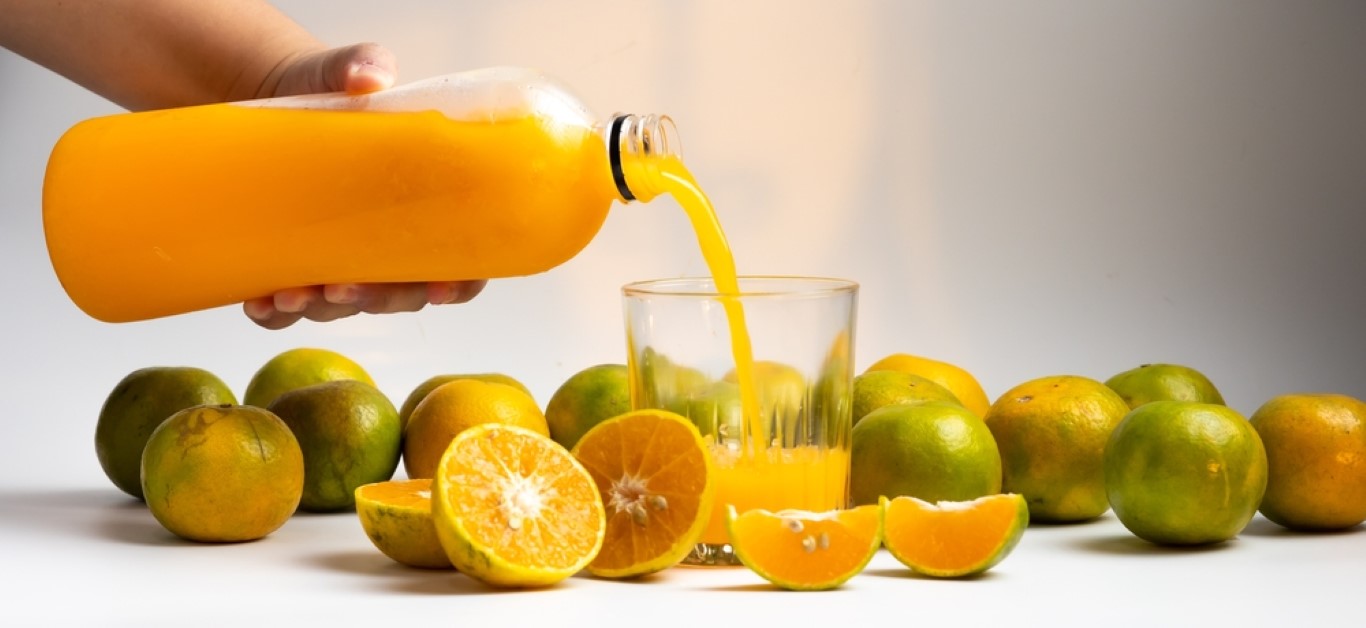
Brazil consolidates its position as the largest global supplier of citrus derivatives, largely dominating the international export market. Data collected by the National Association of Citrus Juice Exporters (CitrusBR) indicate that, of every five glasses of the drink consumed around the planet, three originate directly from Brazilian crops. This economic protagonism results from a unique combination of a favorable tropical climate and decades of genetic improvement on producing farms. All this export volume supplies shelves on several continents, bringing a highly nutritious product into the routine of millions of families.
The commercial strength of this production chain goes hand in hand with increasingly profound scientific discoveries about human nutrition. Researchers at multiple institutions are dedicating ongoing efforts to understanding how this popular food affects long-term body function. Academic interest grows at the same rate as the population seeks natural alternatives to prevent chronic diseases. Modern science is now able to accurately map what happens in the metabolism when we ingest the liquid extracted from this traditional fruit.
The scientific impact of daily consumption on the human body
A detailed survey conducted by the Food Research Center at the University of São Paulo (FoRC/USP) brought new perspectives on the regular intake of the drink. The team, which includes the active participation of researcher Layanne Fraga, evaluated volunteers undergoing a controlled and monitored diet. The protocol required the exclusive consumption of the pasteurized and one hundred percent whole version, rejecting any formulation that contained added water or refined sugars. Over a period of up to sixty days, participants ingested daily volumes that varied between three hundred and five hundred milliliters, always with their main meals.
The results surprised the medical community by demonstrating that the drink acts as a protective shield against several modern metabolic syndromes. The presence of specific bioactive compounds gives the fruit therapeutic properties that go far beyond the traditional supply of vitamin C. Experts noted that continuous intake did not cause body weight gain in the individuals tested. This clinical finding helps to demystify the mistaken idea that the natural carbohydrates present in fruits are an automatic villain for fat accumulation.
It is essential to differentiate the pure product used in the study from the ultra-processed versions sold in boxes, known as nectars. Artificial drinks contain a minimal fraction of fruit and are loaded with preservatives and artificial sweeteners that nullify any physiological benefit. The research focused strictly on the pure liquid, ensuring that organic reactions were caused only by the plant’s original nutrients. This distinction guides healthcare professionals when prescribing diets for patients with dietary restrictions.
The data collected during the months of observation revealed a clear pattern of improvement in the volunteers’ quality of life. The team of scientists from São Paulo documented profound physiological changes that occur silently in the human body. Among the most significant findings validated by clinical research, the following direct benefits stand out:
- Balance the intestinal microbiota in patients diagnosed with obesity, promoting more efficient and healthy digestion.
- Significant reduction in glucose levels in the bloodstream of individuals classified in the pre-diabetic stage.
- Sustained drop in blood pressure in people who had initial pre-hypertension.
- Direct action to combat systemic inflammatory processes, protecting cells against daily oxidative stress.
The science behind the cultivation and resistance of Brazilian orchards
In order for the fruit to reach the consumer’s table with excellence and keep its nutritional properties intact, the agricultural process requires complex management strategies. The orange tree is often described by agronomists as a kind of warrior plant, which needs to overcome severe biological threats every decade. The emergence of aggressive fungi and bacteria forces producers to constantly reinvent the way they plant and harvest. To ensure the survival of crops in the face of these pests and abrupt climate changes, farmers resort to advanced grafting techniques.
This ancient method consists of joining adult parts of different trees, creating a much stronger, more resistant and productive plant organism. This botanical intervention allows the plant to skip the initial development phase, accelerating the production of healthy fruits on a large scale. Extreme care in the orchards ensures that the harvest meets strict international export standards and preserves the high internal juice content. Without this agricultural engineering applied in the field, it would be impossible to sustain global demand and maintain the nutritional value that academic research so extols.
The botanical confusion between real lemons and sour limes
In addition to the vast universe of oranges, Brazilian citrus farming is marked by botanical curiosities that confuse most consumers in open-air markets and supermarkets. The popular Tahiti lemon, ubiquitous in national cuisine and famous for its smooth green skin and absence of seeds, does not belong to the category of authentic lemons. It is, strictly speaking, an acidic lime, the result of natural genetic crossings that have occurred over the centuries. The same classification principle applies to the Galician lemon, which scientifically acts as one of the direct ancestors of the Tahiti variety.
Agricultural engineer Eduardo Sanches Stuchi, head researcher at the Brazilian Agricultural Research Corporation (Embrapa), clarifies the structural differences between these species. The true representative of the family is Citrus limon, known commercially in Brazil as Sicilian lemon. It has a vibrant yellow color, an elongated shape with pointed ends and a considerably higher level of acidity than limes. The term “Sicilian” has become a generic nomenclature adopted by the market due to the strong tradition of growing this fruit in specific regions of Italy.
Another variety that dominates Brazilian backyards and domestic orchards is the clove lemon, which boasts a rustic orange peel and an extremely striking flavor. Like its green-skinned relatives, it is also classified by botanists as a lime, generated from spontaneous hybridization with the tangerine. Understanding these structural differences helps consumers choose the ideal citrus fruit for each type of culinary preparation or for the extraction of compounds beneficial to health.
Nutritional recommendations for incorporating the drink into your eating routine
Given the robust scientific evidence presented by academia, the inclusion of natural orange nectar in the diet appears as an accessible preventive health strategy. Researcher Layanne Fraga emphasizes that it is not necessary to drink large volumes daily to reap the therapeutic benefits of the drink. Just one glass a day already provides enough nutritional value to activate the body’s defenses and regulate essential metabolic functions. The main guidance from experts is that consumption should occur simultaneously with the main meals, such as lunch or dinner.
This synchrony with chewing solid foods plays a fundamental role in the absorption of nutrients and control of the body’s glycemic index. When the liquid is ingested together with fiber and proteins from other sources, the release of the fruit’s natural sugar into the bloodstream happens slowly and gradually. This biological mechanism prevents sudden insulin spikes and maximizes the positive effects observed in clinical studies carried out by the São Paulo University. Completely healthy individuals who adopt this practice report noticeable improvements in physical disposition and general immunity.
For those who prefer artisanal preparation over shelf-stable options, home extraction remains an excellent alternative to guarantee freshness. The secret to maintaining the healthy profile of the drink is to freshly squeeze the fruit and consume it immediately, avoiding the natural oxidation process that degrades the vitamins exposed to the air. The rule of thumb, according to modern nutritional guidelines, is to completely banish added refined sugar from your glass. This attitude allows the human palate to become accustomed again to the authentic and balanced sweetness that nature itself offers.





