
Study reveals 90% jump in obesity among young people and warns of new habits

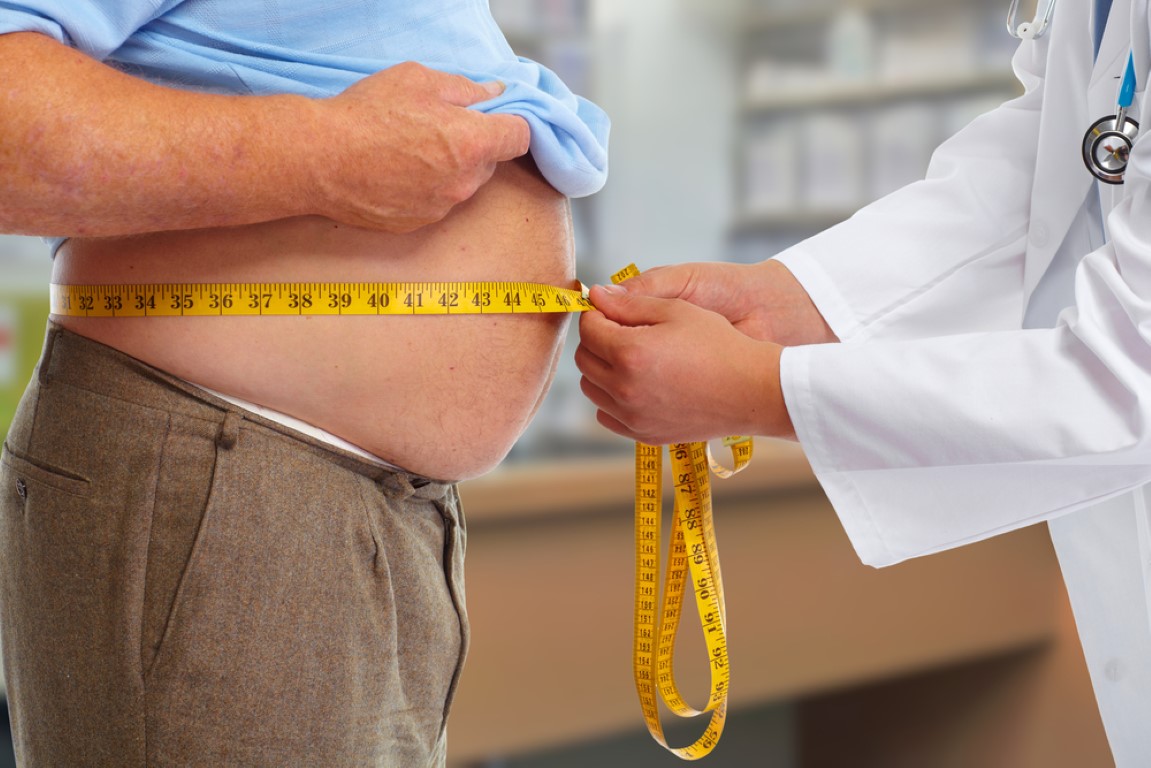
The accelerated increase in excess weight among the younger population has raised a red alert for Brazilian health authorities. A recent survey conducted by the Covitel 2023 system mapped the risk factors for chronic diseases and identified a significant jump in the balance of new generations. Monitoring recorded a 90% increase in the rate of obese individuals between the ages of 18 and 24. This scenario paints a worrying future for the health system, projecting an overload with treatments for early metabolic syndromes.
Experts point out that this generation faces a perfect storm of physical and emotional triggers that favor the accumulation of fat. The diagnosis goes far beyond a simple lack of exercise, encompassing anxiety attacks, excessive consumption of alcoholic beverages and a dangerous dependence on ultra-processed products. The daily intake of soft drinks and boxed juices replaced adequate hydration, while a sedentary lifestyle reached historic levels. The numbers show a shift away from real food, showing that a minimal portion of this youth consumes vegetables and fruits regularly during the week.
The impact of screens and sleep deprivation on metabolic health
The hyperconnected routine emerges as one of the main villains in the construction of this situation of youth illness. Data indicates that more than seven in ten young people spend at least three hours a day immersed in smartphones, computers or televisions solely for entertainment purposes. This prolonged period of immobility in front of displays drastically reduces daily caloric expenditure. Consequently, the body stops burning the energy consumed during meals, storing the surplus in the form of adipose tissue.
Another silent factor that worsens weight gain is the dysregulation of the biological clock, directly affected by nighttime exposure to blue light from devices. Only slightly more than half of individuals in this age group manage to reach the hours of rest recommended by medical guidelines. Chronic sleep deficit unbalances hormonal production, increasing the appetite for high-calorie foods and increasing the risk of developing high blood pressure and severe depression.
Family strategies to protect children against weight gain
Reversing this modern epidemic requires that interventions begin long before reaching adulthood, acting directly in early childhood. The home environment functions as the main laboratory of habits, where legal guardians must assume the role of nutritional guides. Offering a balanced menu and encouraging constant movement of the body are fundamental pillars for building a resistant metabolic base. Health professionals recommend that families adopt joint tactics to transform their home routine without generating trauma.
- Demonstrate a positive relationship with food and sport, avoiding derogatory comments about minors’ body appearance.
- Integrate all residents of the household in menu changes, preventing overweight children from feeling isolated or punished.
- Create a fixed routine for breakfast, lunch and dinner, prioritizing moments when everyone sits at the table together.
- Prohibit the use of electronic devices while chewing, ensuring that the brain registers the feeling of satiety.
- Drastically reduce the purchase of industrialized packages, supplying the pantry with fresh and nutritious ingredients.
The consolidation of these practices during the growth phase creates a cellular and behavioral memory that protects the individual in the future. When teenagers grow up understanding the function of nutrients, the likelihood of seeking emotional refuge in empty foods drops considerably. The family effort at the basis of creation is directly reflected in the formation of adults with stabilized clinical examinations.
Practical ways to reverse the diagnosis in youth
For the portion of the population that has already received a clinical diagnosis of obesity, the focus must shift from prevention to active and supportive intervention. The initial protocol dispenses with magic formulas and focuses efforts on resuming body movement combined with a complete restructuring of the plate. The biggest initial challenge is overcoming inertia, which is why the choice of physical activity must be based on the patient’s personal pleasure. Activities such as swimming, strength training or team sports tend to generate greater adherence than monotonous obligations.
The process of weaning from industrialized products needs to happen gradually to avoid withdrawal crises and severe relapses. Nutritionists suggest starting to cleanse your diet by replacing liquid calories, eliminating soft drinks and sugary drinks from your daily routine. Then, the focus becomes switching from packaged snacks to home-prepared meals rich in fiber and quality proteins. Constant therapeutic and nutritional monitoring ensures that the young person understands the changes and maintains the consistency necessary for healthy weight loss.
Advanced medical interventions for highly complex conditions
There are situations in which lifestyle changes are not enough to stop the rapid advancement of comorbidities associated with excess fat. When the Body Mass Index reaches alarming levels and threatens the integrity of organs, medicine offers more incisive containment resources. One of the temporary alternatives most used by specialists is the insertion of an intragastric balloon, a less invasive procedure than traditional bariatric surgery. The device takes up space in the stomach, promoting early satiety that facilitates severe calorie restriction.
This tool acts as an emergency brake, providing accelerated weight loss in the first months of treatment. Immediate relief from the burden on joints and the cardiovascular system helps ward off the specter of diabetes and early heart problems. However, doctors reinforce that any mechanical intervention will lose its effectiveness in the long term if the patient does not take advantage of the window of opportunity to definitively reprogram their relationship with food and movement.



