
What is the World Cup cup made of? Discover the materials behind the most coveted trophy on the planet


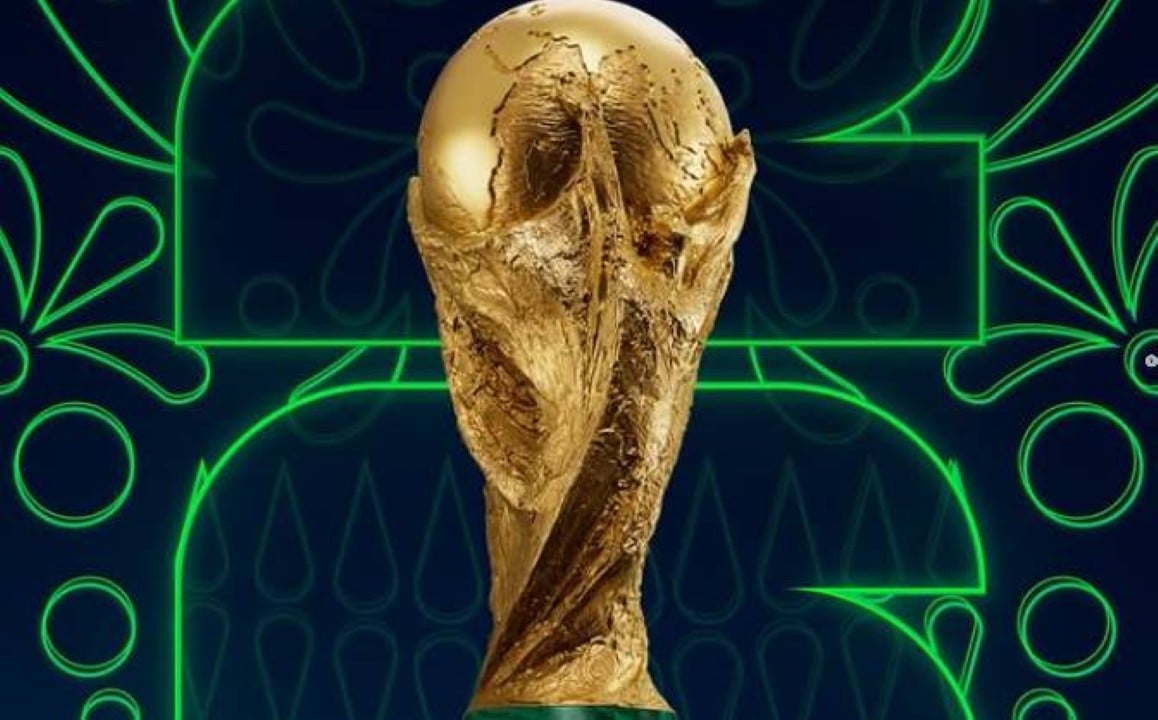
Argentina and Spain face each other this Sunday, July 19, 2026, in the World Cup final, in search of the much-desired trophy. When raising the cup, the winners will be holding a work of art: a piece of solid 18-carat gold, adorned with malachite, a semi-precious stone that makes up the base of the sculpture.
The current World Cup trophy was designed in 1971. Its creation occurred after Brazil secured permanent possession of the old Jules Rimet Cup, when they triumphed in the World Cup for the third time, in 1970. The new piece was unveiled at the 1974 World Cup, hosted in Germany, and since then has been the object of desire of the tournament champions.
Measuring 36.5 centimeters tall and weighing approximately 6.175 kilograms, the object is forged in solid 18-karat gold, an alloy made up of around 75% pure gold. Furthermore, the piece features a unique circular base, made up of two layers of malachite, a gem valued for its intense green color and distinct natural patterns.
Although its symbolic value is invaluable, the International Football Federation (FIFA) keeps the official price of the cup confidential. However, market experts estimate that the gold used in its production alone corresponds to a million-dollar amount, taking into account the current price of the metal on the global stage.
The trophy’s incalculable historical value and sporting significance, however, surpass any monetary estimate, making it an incomparable symbol.
Why the original cup doesn’t go to the World Cup champions
Unlike the old Jules Rimet Cup, which was awarded permanently, the winner of the contemporary World Cup does not take home the original trophy permanently. After the award ceremony, the winning team receives a faithful, gold-plated copy to display at its headquarters.
The genuine cup remains in the custody of FIFA, being displayed exclusively at official World Cup ceremonies. The names of the winning teams are carefully engraved on the lower section of the trophy, on an elegant spiral band that encircles the base.
Currently, the space available to record the names of the winning teams is limited. Once all locations are filled, FIFA will need to determine whether to modify the existing base or opt to develop a new design for the trophy.
Meet the artist behind the creation of the World Cup cup
FIFA selected the current design through a competition that attracted more than 50 proposals from various nations. The work chosen was by the Italian artist Silvio Gazzaniga, who designed a sculpture representing two human forms in an exaltation movement, supporting the terrestrial globe.
According to the concept of the sculptor, who passed away in 2016 at the age of 95, the trophy transcends competition, symbolizing the union between athletes and different peoples, celebrated through the most popular sport in the world.
Argentina, the current holder of the world title, and Spain are currently competing for the privilege of lifting this emblem. The cup, in addition to symbolizing sporting victory, personifies an intrinsic fusion of gold, historical legacy and tradition rooted in football.





