
Chinese submarine uncovers world’s largest whale cemetery in deep waters of Indian Ocean

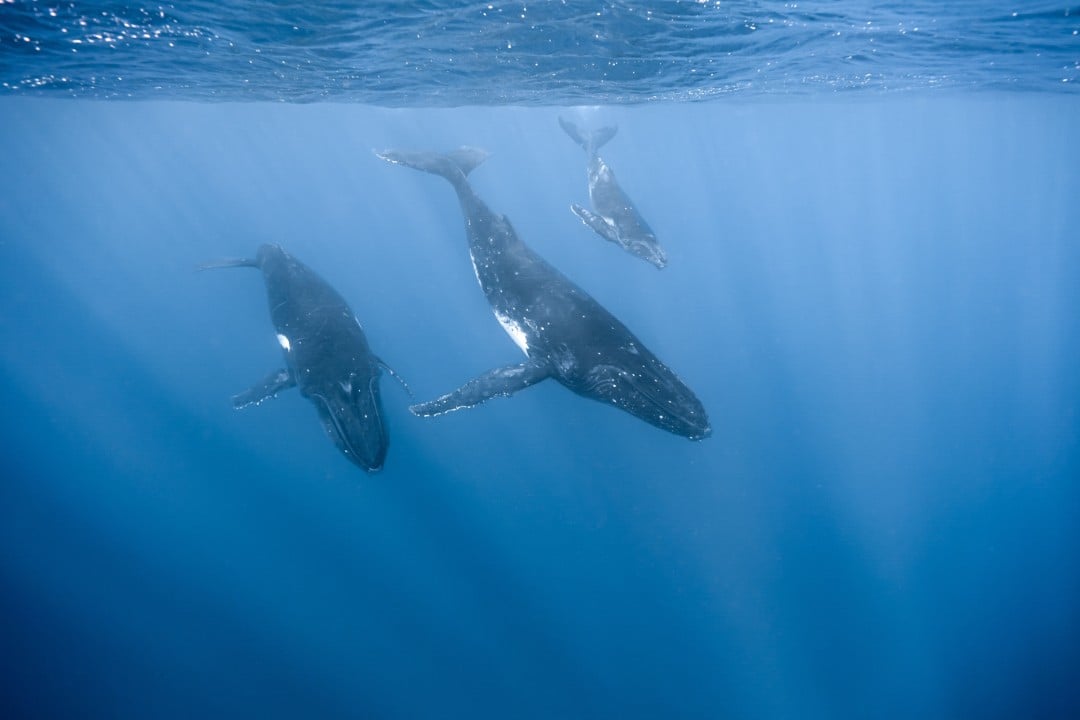
A surprising discovery has revealed what is considered the largest whale cemetery on the planet, located deep in the Indian Ocean. Chinese scientists have confirmed that the vast collection of carcasses, which includes both recent and ancient remains, serves as the basis for supporting diverse communities of marine life in deep-sea environments.
The research, published in the journal Nature on Wednesday, June 10, 2026, highlights that this is the deepest and oldest whale cemetery ever documented on Earth. Some of the fossils found are estimated to be up to 5.3 million years old.
Aboard a small submersible, Chinese explorers observed a multitude of unusual creatures, many of them possibly new to science, that feed and thrive on whale carcasses.
Among the approximately 500 cataloged skeletons, which stretch across a 1,200-kilometer corridor in the Indian Ocean, west of Australia, and at depths of up to 7,000 meters, a new species of whale that has already been extinct was also identified.
Xiaotong Peng, lead researcher on the study and member of the Chinese Academy of Sciences, expressed that the team was “surprised” by the magnitude of the discovery once its true dimensions were understood.
It was already known that, after the death of whales, their sunken bodies – a phenomenon known as “whale falls” – serve as a crucial nutritional source for species that inhabit the seabed.
“However, finding a necropolis of this size was completely unexpected; the vast distribution, depth and range of ages far exceeded any expectations,” said Xiaotong Peng.
Region concentrates whale carcasses in large numbers
The large concentration of whale deaths in this specific location is attributed to its function as a common feeding habitat and the existence of a “V”-shaped underwater rift, which directs the carcasses to the ocean depths.
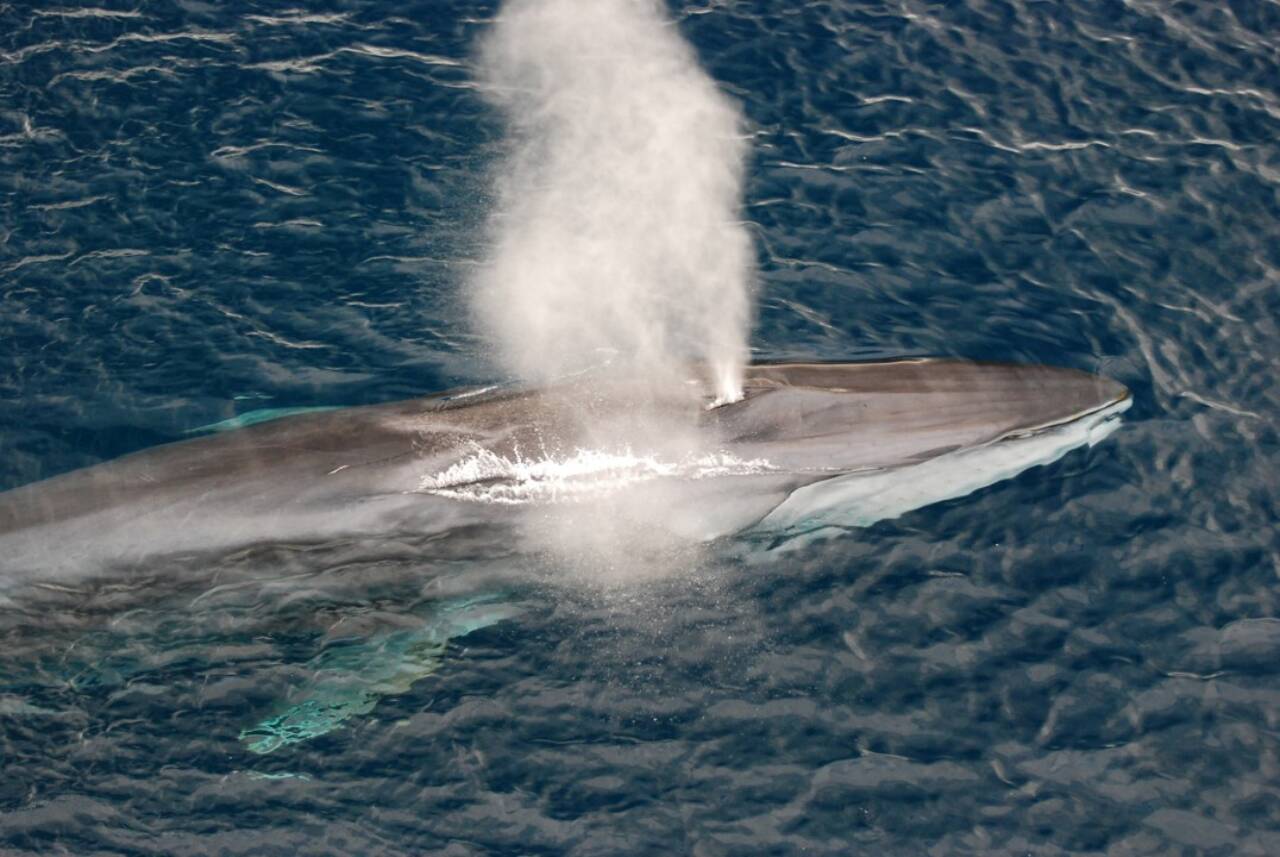
Submarine Fendouzhe carried out dives in 2023
To make this discovery a reality, the submersible Fendouzhe carried out 32 dives throughout 2023. The findings, however, were only officially released in this Wednesday’s edition of the magazine Nature.
With the capacity to carry up to three crew members, the submarine was used to collect fossil samples using robotic arms during expeditions.
Peng Zhou, one of the co-authors of the scientific paper, described the experience of witnessing the whale cemetery as “truly incredible.”
“The vibrant ecosystems we found provided a completely different view of this ocean floor, which is usually perceived as a dark and frigid environment,” added Zhou.
Among the living beings identified that fed on the carcasses, jellyfish, ophiurids, bone-boring worms and bivalve molluscs were seen.
Most of the 485 fossils recorded by scientists correspond to different species of beaked whales.
Based on the number of bones discovered, researchers estimate that the total area, known as Zona Diamantina, could house more than 10 million carcasses.
The report includes a map detailing the dispersal of fossils and whale carcasses in the Diamantina Zone, as well as detailed illustrations of fossilized skulls.
Ecological relevance of carcasses and future exploitation
Xiaotong Peng highlighted that the soft tissues and lipids present in so many carcasses “equivalent to approximately 6.7 million tons of sequestered carbon”, underlining the environmental importance of the discovery.
This vast amount of organic matter constitutes an immense source of sustenance for local fauna, analogous to the way hydrothermal vents generate their own ecosystems on the ocean floor.
Additionally, some of the animals seen by scientists also inhabit hydrothermal vents and cold emanations, which indicates that whale carcasses can act as connecting links between these diverse deep-sea communities.
“The results strengthen the hypothesis that whale carcasses in deep waters function as crucial points of evolution and biogeographic springboards for fauna that depend on sulfide in the oceans”, say those responsible for the research.
Despite being the largest whale cemetery discovered to date, the study suggests that fossils found through trawling indicate the possible existence of “similar hidden archives” spread across the depths of the global oceans.
Understand the importance of the chemical composition of whales
Xikun Song, a biologist at the Institute of Deepwater Science and Engineering of the Chinese Academy of Sciences, explained that both the size of a whale and the peculiar chemical composition of its bones are essential elements in the formation of these unique underwater habitats.
“At the same time, the very essence of the deep ocean makes these locations extremely challenging for scientists to find,” detailed Song, who actively participated in the most recent discovery, in electronic correspondence.
Oceanographer Craig Smith, from the University of Hawaii, responsible for the discovery of the first whale carcass in 1987, although he was not involved in the new investigation, classified the find as “extremely exciting”.
“The vast quantity of fossilized whale carcasses recorded, which includes a new species of beaked whale, is indeed surprising and of immense relevance to understanding the evolution and dispersal of whales through the geological eras,” said Smith.
Amy Baco-Taylor, a whale carcass researcher at Florida State University, commented that the “remarkable discovery” “will likely bring a lot of new knowledge.”
She added that this covers the animals that inhabit these “chemosynthetic” communities, whose population was believed to have been drastically reduced due to human whaling.
American paleontologist Stephen Godfrey compared the “truly unique discovery” with other major historic underwater revelations, such as the pioneering identification of life-rich hydrothermal vents on the ocean floor in 1977.
Godfrey advocated future submersible expeditions with the aim of locating more whale burial sites in other parts of the world.
This discovery “reminded me of the trailer for the first film in an epic series,” Godfrey noted in a related article in the journal Nature.
“I hope many more ‘blockbusters’ like this follow,” expressed Godfrey.
The revelation of this find comes just weeks after the Chinese Academy of Sciences announced the discovery of the world’s oldest fish fossils in China. One of them measured just 3 centimeters, while the other was described as “the largest vertebrate of its time”, according to scientists.



