
Internal news of the 2026 Tesla Model Y is revealed with a focus on design and controls

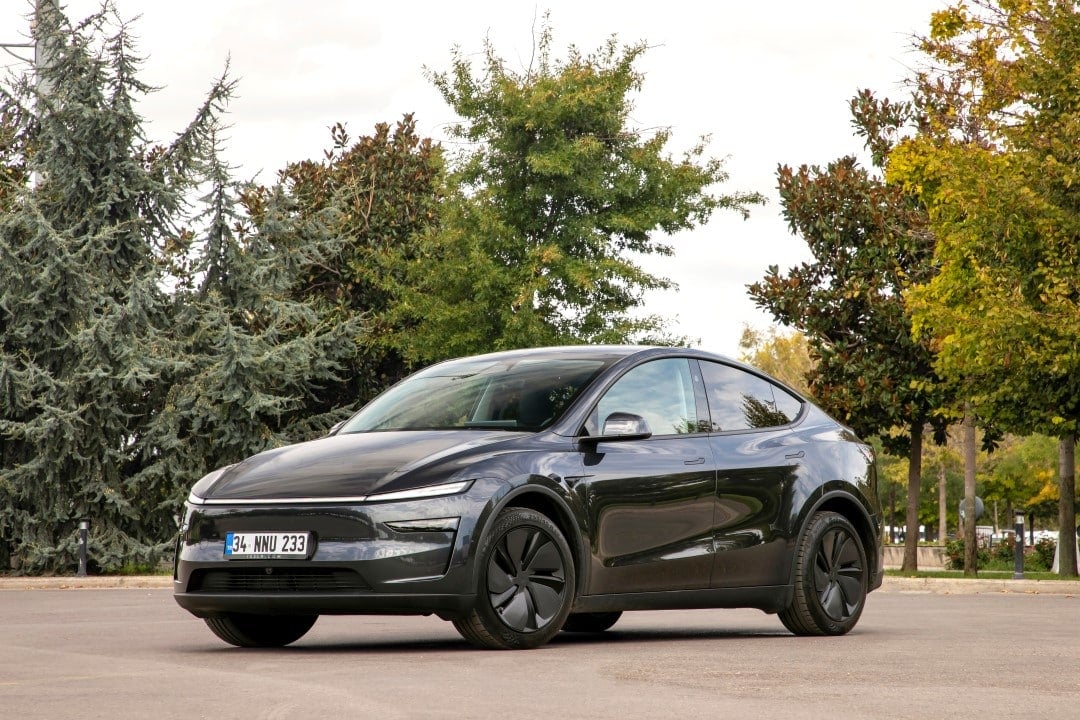
Updates for the Tesla Model Y in the year 2026 bring a redesigned interior, which enhances both the exterior and interior design of the vehicle. While the visual changes to the Model Y cabin remain subtle, giving it a familiar look, some new features, such as LED bars that stretch across the width of the car and wraparound ambient lighting, are exclusive to Premium versions and above. Tesla has incorporated a new combination of materials into the interior, but the revised version, known to enthusiasts as Juniper, offers an immediate sense of familiarity for anyone who has driven a previous model.
Internal space and comfort: evaluation of Model Y dimensions
Although Tesla has optimized the number of components in the Model Y’s body structure, no significant changes have been observed in the layout or available internal space. Both the front and rear rows offer plenty of room, although the front seats can still feel a little cramped for adults of average height. The option of a third row of seats is available, however, those who need more than the standard five seats may consider waiting for the arrival of the extended wheelbase Model Y in 2027. This version, which was previously exclusive to the Chinese market, offers an increase of 11.9 centimeters in legroom and 8.9 centimeters in headroom in the third row.
Innovations and dilemmas in the cabin of the new Model Y
The uniformity perceived in the updated Model Y goes beyond the mere internal dimension. During the first test with the 2026 model, editor-in-chief Joe Bruzek commented that the vehicle “just looks like the old Model Y with some new trim details.” Among the notable changes compared to its predecessor, the return of the direction arrows stands out, which are now controlled by a traditional lever instead of buttons on the steering wheel.
However, Tesla takes a “give and take” approach to its innovations. One significant change is the absence of a physical gear lever on the Model Y; gear selection (Drive, Reverse or Park) is now an exclusive function of the touch screen. Bruzek expressed concern about this decision, stating, “Considering the propensity for failure of our long-term Model Y’s touchscreen, it concerns me that such an important set of controls is just a cluster of pixels on a screen.” In situations of locking or a black screen, redundant buttons located on the ceiling also allow gear selection.
The renewed Model Y’s structural similarity to its predecessor implies that limited outward visibility persists. However, there are now blind spot indicators integrated into the window trim, close to the side mirrors, which represents an improvement. As before, when activating the turn signal, the image from the vehicle’s side camera is displayed on the central screen, but preference is given to traditional direction indicators, in order to avoid looking away from the mirror when changing lanes.
Perhaps the most impactful innovation in the Model Y Juniper is not linked to structure, lighting or technology. A new entry-level version was launched, reducing the starting price to just US$41,380 with rear-wheel drive and US$43,380 with all-wheel drive, values that already include the US$1,390 destination charge. Even in the base versions, the standard equipment is robust, including items such as a hands-free power opening and closing trunk, heated and power-adjustable front seats, a heated steering wheel, a 15.4-inch touchscreen with two wireless cell phone chargers and a seven-speaker audio system.





