
New golf series with Will Ferrell on Netflix disappoints and generates debate about sport productions

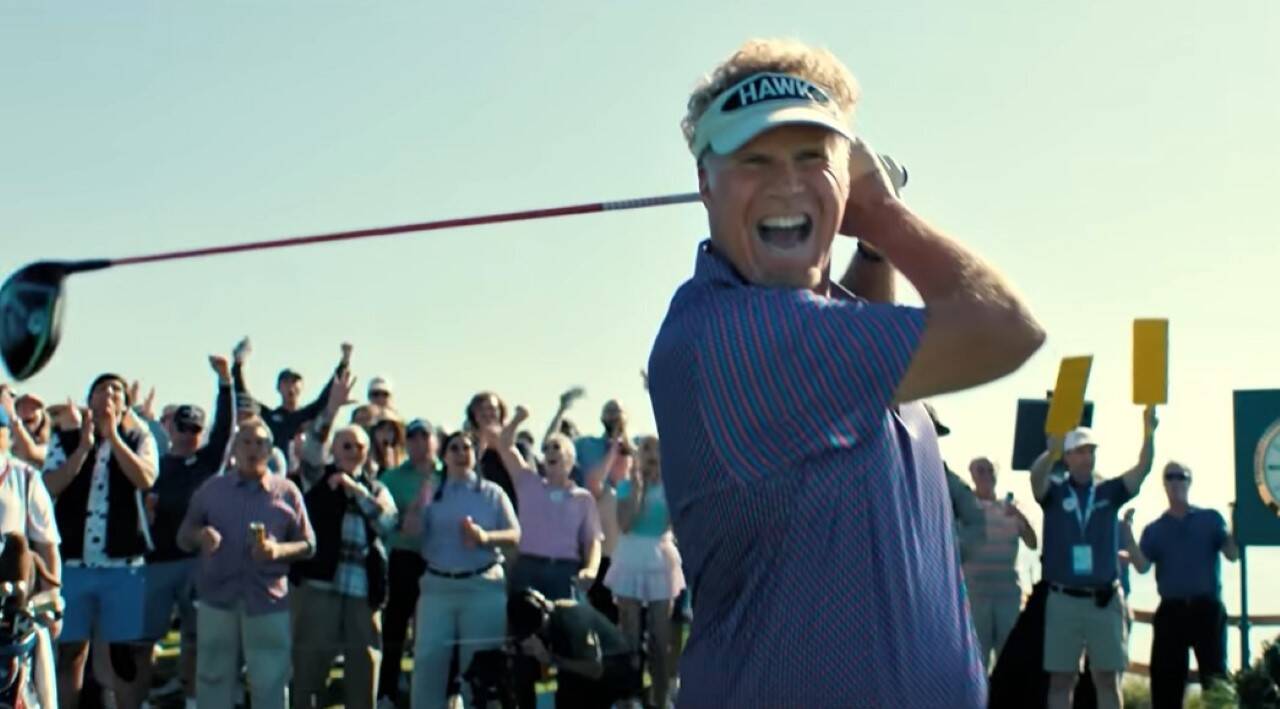
Will Ferrell’s latest foray into series, “The Hawk,” released on Netflix on Thursday, quickly became the target of harsh criticism, reigniting a debate over Hollywood’s ability to create captivating golf productions. The sports comedy, which stars Ferrell as a down-and-out professional golfer, has been described as unoriginal and disappointing, even leading to radical suggestions of a temporary moratorium on new content about the sport on streaming platforms.

The plot and reception of the series “The Hawk”
In the plot of “The Hawk”, Will Ferrell plays Lonnie “The Hawk” Hawkins, a former PGA Tour player looking to rebuild his career. At his side, Molly Shannon takes on the role of Stacy, Lonnie’s wife, with whom he has a complex and friction-filled relationship. One of the few moments that stands out for its originality, according to critics, is an exchange of barbs between the couple, which, although punctuated by caustic humor, fails to sustain the quality of the entire production. The series has been widely criticized for appearing to be a patchwork of other recent golf productions, which in themselves were no longer considered to be of high quality.
A lack of innovation and repetition of clichés mark the first season of “The Hawk,” making it a challenge to watch for all but the most devoted Ferrell fans. The general assessment points out that the project, developed in partnership with longtime collaborators such as Harper Steele and Chris Henchy, fails to present anything new or significant, following the path of works that, despite having their qualities, did not stand out in the sports comedy scene.
The difficulty of adapting golf for the screen
Industry experts and fans of the sport often point out that golf presents unique challenges in translating engagingly to the big and small screens. Unlike fast-paced sports, golf is inherently slower, with long breaks between shots and dozens of athletes competing simultaneously. This characteristic makes it difficult to maintain the public’s interest in two-hour film formats or in series with ten episodes, such as “The Hawk”.
To create an interesting golf narrative requires more than simply filming the game; it requires a creative mind and a commitment to a specific focus. Success in adapting golf often lies in the ability to introduce disruptive characters into more traditional settings, explore complex dramas at country clubs, or even mix the sport with elements of romance. Ambition and experimentation seem to be keys to breaking the boredom barrier in productions of this genre.
Other examples of golf productions that did not captivate
The golf production scene in recent years has been plentiful but not always successful. The growing popularity of sports post-pandemic has driven producers and executives to invest in more content, but the results have been mixed at best, and downright disappointing in most cases. Some of the notable attempts include:
- “Stick” (Apple TV):A series that approached golf in an uninteresting way, despite having a darker tone and some hints of humor. Critics noted that the script did not adequately delve into character development, such as the story of a fading former star played by Owen Wilson.
- “Happy Gilmore” Sequel:While the original film was acclaimed, the sequel failed to replicate its brilliance and cultural impact, being perceived as an attempt to capitalize on nostalgia without offering narrative innovation.
- “Full Swing” (Netflix):This docuseries, which has already run for four seasons since 2023, was conceived as the PGA Tour’s response to the success of Formula 1’s “Drive to Survive.” However, despite being considered “acceptable,” it has not generated a significant cultural impact outside the niche of golf, in part due to the inherent slowness of the sport and the reluctance of many golfers to express themselves openly on camera.
The common point between these productions is the apparent lack of ambition in trying something truly new, often just replicating tired formulas or failing to capture the essence that makes golf interesting for its aficionados.
The rise in popularity of sport and Hollywood’s mismatch
Golf has experienced a notable increase in popularity, especially following the COVID-19 pandemic, leading to significant growth in the number of golfers and enthusiasts. This wave of natural interest attracted the attention of Hollywood executives and producers, who saw a market opportunity to create more sports-related content. Paradoxically, while independent content creators and YouTubers have found great success producing material about golf, major Hollywood production companies seem to be losing pace.
The discrepancy suggests that perhaps Hollywood’s approach to golf is out of line with what truly captivates audiences. Instead of exploring innovative angles or deep narratives that reflect the passion and complexity of the sport, many productions fall back on predictable tropes and superficial approaches. This mismatch creates frustration among fans and questions about the creative direction of golf content.
Radical proposal: a break in golf productions
Faced with the panorama of recent golf productions that have failed to impress, some critics are proposing a drastic measure: a moratorium of at least a year on the creation of new programs and films about the sport. The idea is that a forced break could give the industry time to re-evaluate its strategies, seek more original scripts and invest in a deeper understanding of what makes golf attractive to the public. The suggestion is not to abandon the genre, but to reshape the creative approach to ensure that future productions offer value and innovation, rather than more of the same.
The message is clear: it takes more than stars like Will Ferrell or the popularity of the sport to ensure a series’ success. A genuine effort to innovate and present stories that truly resonate with viewers, harnessing the potential of golf in ways that Hollywood has yet to fully unlock, is critical.





