
Rising gasoline prices strengthen the electric vehicle market and accelerate driver migration

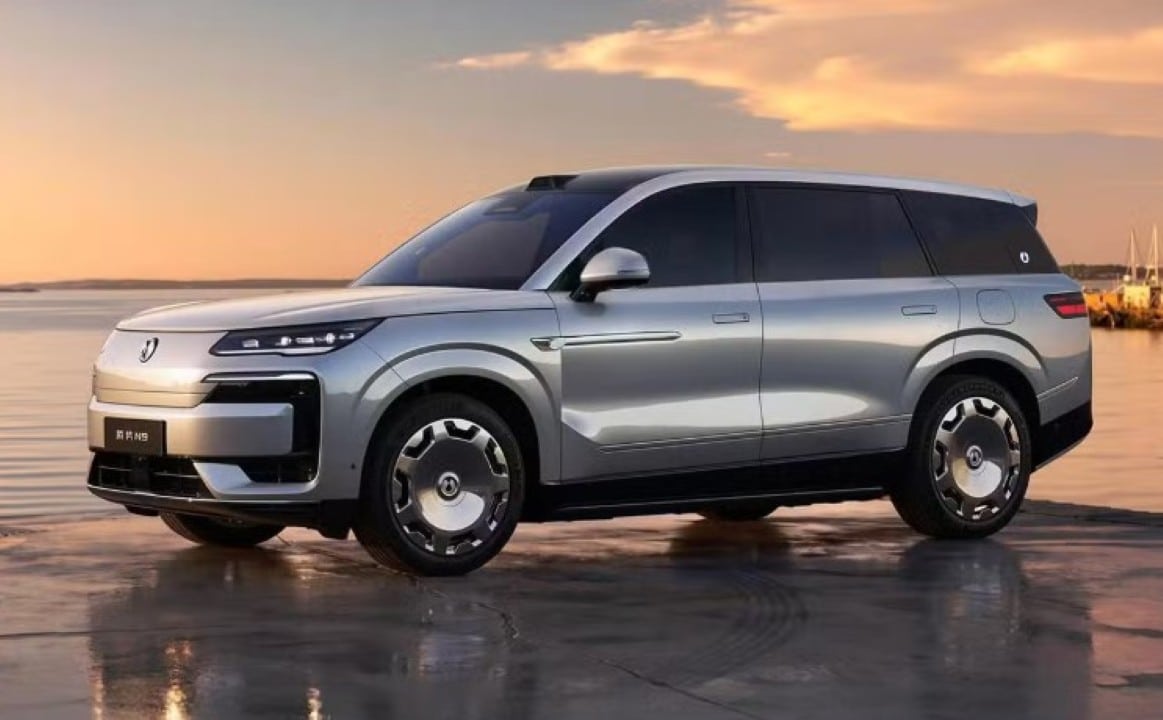
Constant increases in fossil fuel prices boosted the global electric vehicle market in the second quarter of 2026. The rise in gasoline and diesel prices at gas stations reconfigured consumer choices, accelerating the transition to electrified models and boosting the registrations of already established brands and new manufacturers in the automotive sector.
This growth in numbers reflects a period of consolidation of new battery technologies and the expansion of fast charging infrastructure. The combination of financial relief in the cost per kilometer driven and an expanded offer of entry-level models accelerated the change of drivers who previously showed hesitation in abandoning vehicles with internal combustion engines.
How fuel prices influence drivers’ purchasing decisions
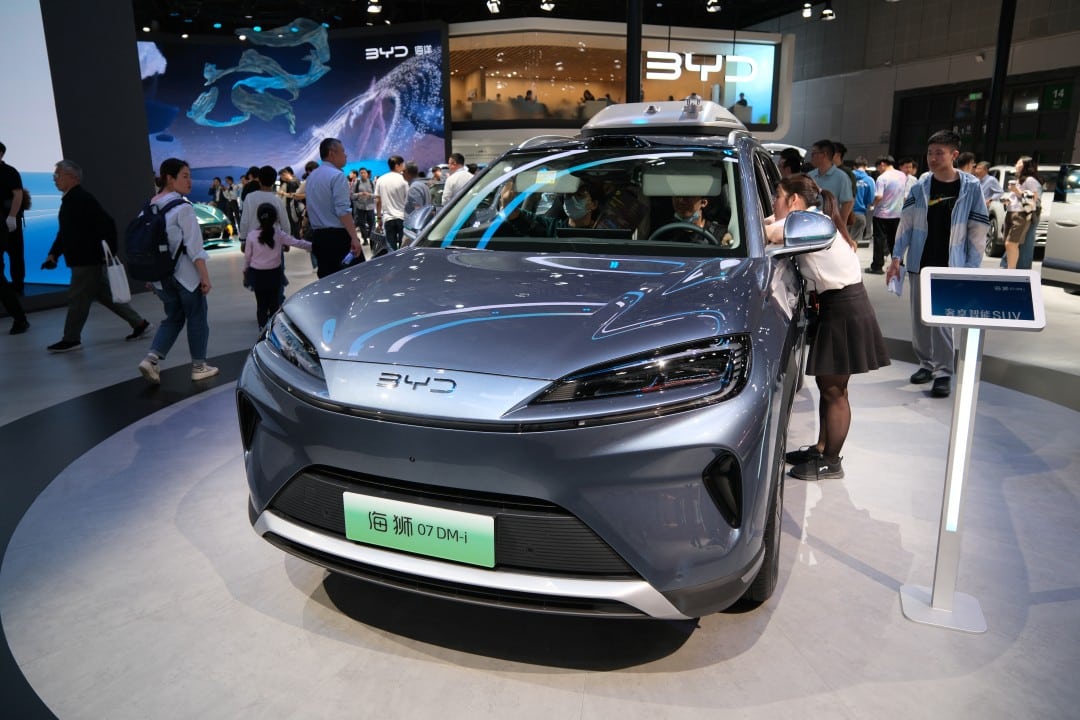
The increase in the price of gasoline and diesel in the main global economies acted as the main driver for the increase in sales of electric cars in the period. With the increase in transport inflation and the instability of international oil prices, the operating cost of traditional cars has become a decisive factor in the budgets of both families and corporate fleet owners.
Given this scenario of uncertainty at gas stations, the predictability of electric charging costs has come to be seen as an undeniable competitive advantage. Comparative analyzes of total cost of ownership indicate that the savings generated in supply compensate the difference in the acquisition value in increasingly shorter terms for buyers.
Intense competition in the electric vehicle sector between large automakers
In the corporate scenario, Tesla maintained a significant volume of deliveries, supported by strategic price adjustments and updates to its production lines. However, competitiveness has increased with the response of traditional manufacturers such as Toyota, which has expanded its range of plug-in hybrid and battery electric vehicles to meet demand from both emerging and consolidated markets.
At the same time, Chinese automakers continued to expand their global presence, presenting electric vehicles with high technological density and very competitive prices. The diversification of these brands’ portfolios has expanded options for consumers, ranging from compact urban cars to large SUVs and utility vehicles.
Advances in Charging Network and Batteries Boost Consumer Confidence
In addition to the economic aspect related to gas stations, the expansion of the network of fast chargers on highways and urban centers has contributed significantly to reducing concerns about autonomy among drivers. The expansion of charging points, both public and private, has allowed long-distance trips to be carried out with greater convenience and shorter waiting times.
The technical evolution of battery packs also played a relevant role in the second quarter of 2026, offering greater energy efficiency and extended useful life. Continuous progress in storage capacity has ensured that new models reach the market with superior ranges, consolidating the perception of the viability of electric vehicles for everyday and commercial use.



