
Volvo evaluates return of electric sedans and station wagons amid SUV saturation

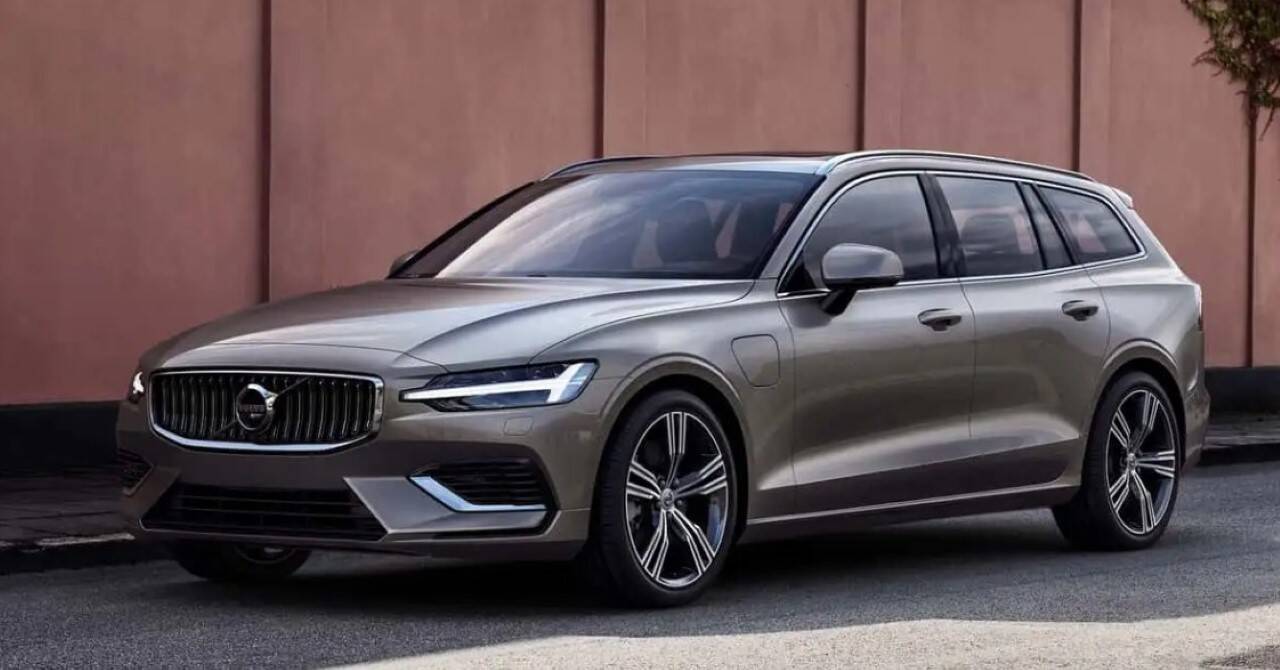
Recent reports indicate that Swedish automaker Volvo may be planning a strategic return to the sedan and station wagon market, despite having recently discontinued several models in those categories. The information, which comes from sources linked to the automotive sector in mid-July, points to the development of new electric vehicles built on an advanced architecture. This possible change in direction for the brand signals a reassessment of consumer preference, who would be showing signs of “fatigue” with the hegemony of SUVs.
Volvo considers strategic change with the end of SUV hegemony
Historically known for its safe, family-friendly vehicles, Volvo had pivoted its strategy toward crossovers and SUVs, gradually phasing out sedans and station wagons from its global catalog. Iconic models such as the S90, V90, V90 Cross Country, V60 and V60 Cross Country have been discontinued. However, the current scenario of an automobile market saturated by SUVs raises the question of a possible exhaustion of demand for this type of body, leading the brand to consider expanding its electric offerings beyond sports utility vehicles.
The decision reflects a vision of the company’s leadership, which had previously expressed concerns about the excessive concentration of the market in SUVs. Håkan Samuelsson, CEO of Volvo, previously stated that the market may have gone “too far into a single SUV market”, suggesting that the company does not expect to have only SUVs in its product line ten years from now. This statement strengthens the idea of a strategic repositioning, seeking to serve a niche of consumers who value the elegance and practicality of sedans and station wagons.
SPA3 platform will be the basis of new electric vehicles
The new vehicles, both the sedan and station wagon, would be based on Volvo’s SPA3 electrical architecture. This is the same platform used in the EX60 crossover, which already demonstrates the automaker’s ability to develop high-performance electric vehicles. The SPA3 platform is notable for its technological innovations and fast charging features.
Among the technical specifications of the SPA3 architecture, the following stand out:
- 800 volt architecture:Enables ultra-fast charging speeds.
- Charging Power:Support charging up to 370 kilowatts.
- Autonomy:In the EX60 P12 model, autonomy reaches up to 640 kilometers (400 miles), positioning it among the vehicles with the longest range in its segment.
Performance, autonomy and price expectations of future models
If the electric sedans and wagons maintain the EX60’s battery and engine specifications, they are expected to offer a power range between 369 and 612 horsepower. It is possible that these new models have a slightly smaller wheelbase, which could impact the size of the battery and, consequently, the total autonomy.
As for the nomenclature, sources suggest that future models could receive the -60 or -70 badges, with the station wagon version potentially generating a Cross Country variant, following the EX60 line. Currently, Volvo already has an electric sedan in other markets, the ES90, indicating that a smaller model could be called the ES60. The station wagon, in turn, can be called EV60. Starting prices would be projected to be in the $50,000 range, a figure that would position them competitively.
Market positioning: challenges and opportunities for Volvo
With an estimated starting price in the range of US$50,000, Volvo’s possible new sedans and station wagons would position themselves as premium alternatives. In the luxury electric vehicle market, they would be slightly more expensive than competitors like the Tesla Model 3 Premium All-Wheel Drive and the new Lexus ES 350e. Volvo would need to define whether these models would only be offered with all-wheel drive and a dual-motor configuration, or whether there would also be rear-wheel drive options.
Even with the growth of the SUV segment, the luxury sedan and station wagon market still presents opportunities, as evidenced by the success of models such as the BMW M5 Touring, which shares sales equally with its sedan version. In the United States, where sedans and station wagons are not the biggest sellers, the expectation is for a volume of around 10,000 units annually from 2028. This bet represents a challenge, but also a chance for Volvo to solidify its presence in an electric segment less explored by premium manufacturers.
What Volvo leadership thinks about the future of passenger vehicles
Although Volvo has not yet officially confirmed the development of new models based on the SPA3 platform that are not SUVs, recent statements from its leaders suggest an open path towards this possibility. The company recognizes that consumer demand may diversify and that a product line focused exclusively on SUVs may not be sustainable in the long term.
The potential reintroduction of electric sedans and station wagons would mark a significant move for Volvo, reaffirming its heritage while embracing the future of electric mobility. By offering options that go beyond SUVs, the brand can appeal to a wider audience and reinforce its reputation for innovation and adaptability in the competitive global automotive landscape.



