Nintendo’s strategy for new video game includes Zelda-themed version
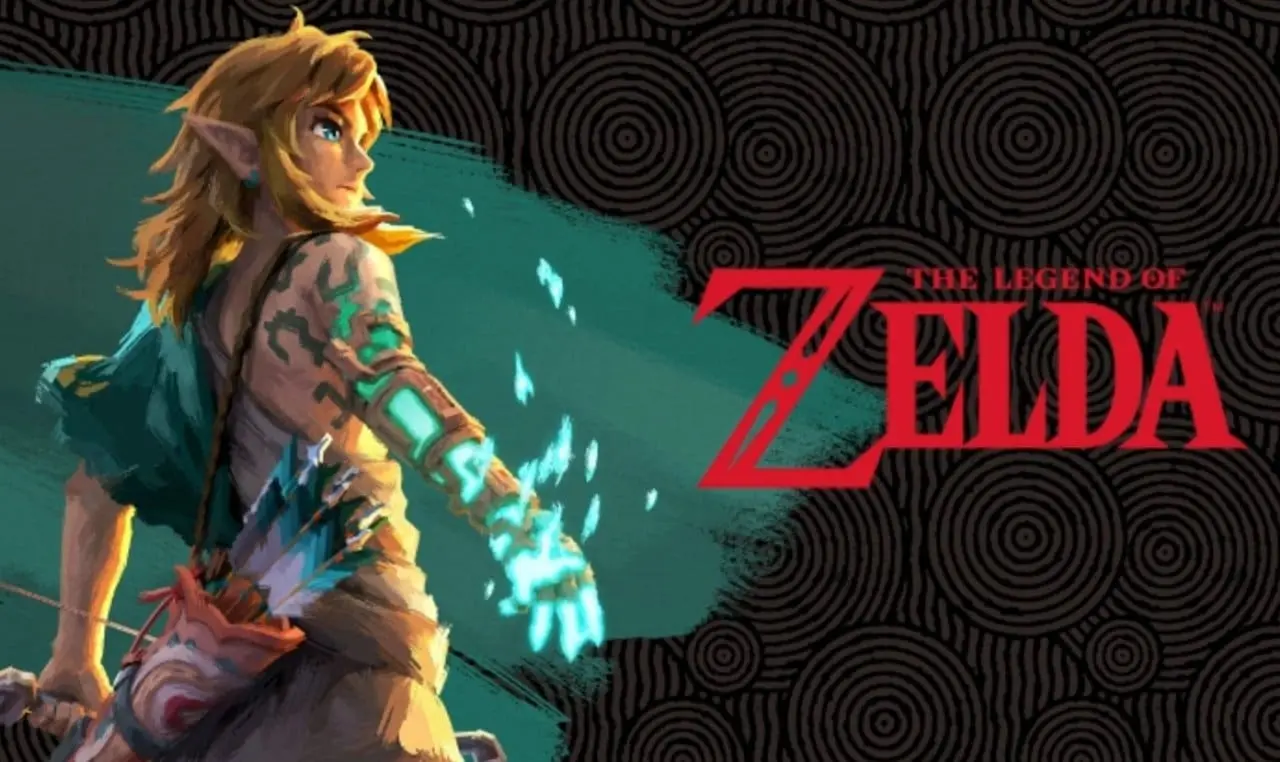
The technology industry is closely following Nintendo’s moves towards the launch of its next desktop and portable hardware. Recent behind-the-scenes information suggests that the Japanese manufacturer plans to make a themed version of the device available on its debut day. The unique design would be completely inspired by a recreation of one of the most popular adventure games in the company’s history. This commercial maneuver seeks to guarantee a high volume of initial sales, immediately attracting the brand’s most loyal fan base.
The central project of this strategy involves the return of a title originally released in 1998, which redefined the standards of the digital entertainment industry. Developers point out that the classic will undergo a complete redesign, adopting modern graphics engines and high-resolution textures. The combination of equipment with its own visual identity and software rebuilt from scratch creates a product with high value for the market. Investors see this movement as a guarantee of financial stability during the first months of transition.
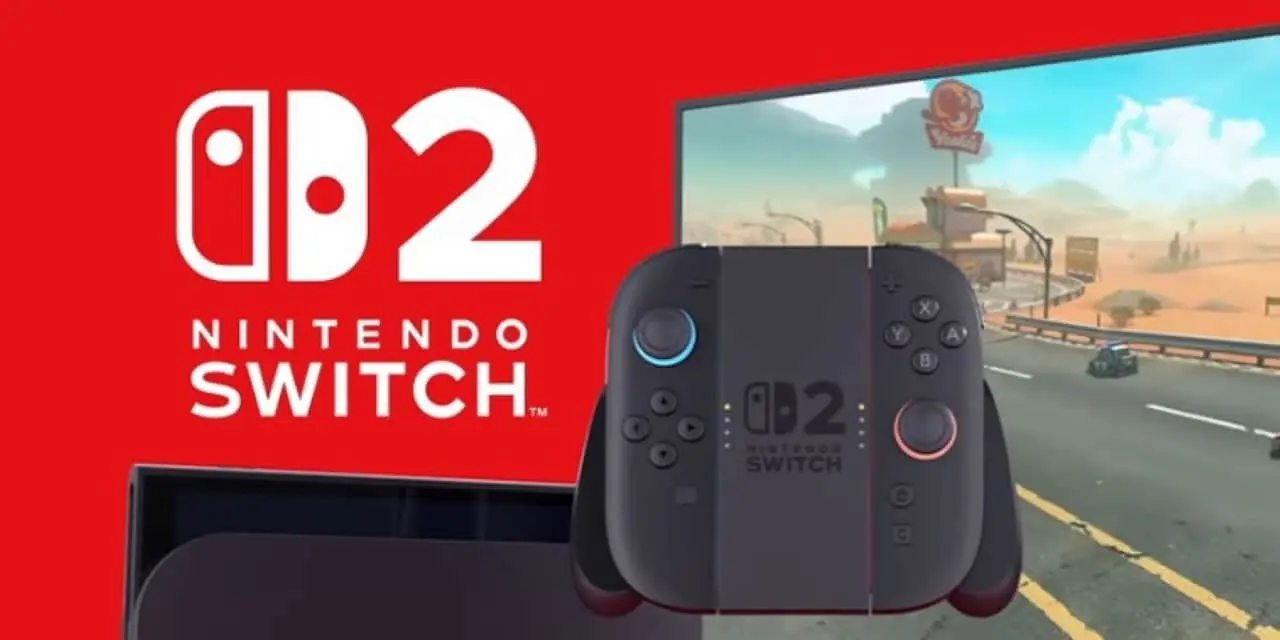
More on this story: Supposed photos reveal Nintendo Switch 2 design for Zelda’s birthday
The financial impact of linking the new console to a Nintendo classic
Marketing limited editions represents one of the safest sources of revenue for video game giants. During the current generation, the company made significant profits by launching customized versions of major franchises, such as Super Mario and Pokémon. These differentiated designs serve as a decisive attraction for consumers looking for exclusivity and for collectors willing to buy multiple units. The aesthetic change to the electronics housing has a marginal production cost, but allows for premium prices to be applied in stores.
The game chosen to lead this new phase carries an incomparable historical weight in the global market. The original version of The Legend of Zelda: Ocarina of Time sold more than seven million copies on the Nintendo 64 and to this day maintains the highest rating ever recorded on the Metacritic aggregator, with 99 points. Rescuing a work with this level of prestige drastically reduces the commercial risks of launching new hardware. The sense of urgency generated by a collector’s edition accelerates platform adoption even before the game catalog expands.
Technological changes expected for the next hybrid generation
The transition between video game cycles requires manufacturers to justify consumers’ investment with visible leaps in performance. Sources in the Asian supply chain report a significant increase in the production of specific components, indicating that the assembly of new devices is already underway. Monitoring these factories reveals massive orders for enhanced displays and next-generation memory chips. Billion-dollar research costs force the company to perfectly align logistics to avoid empty shelves at launch.
To ensure the system’s immediate success, the manufacturer must maintain and improve features that have defined the last decade of digital entertainment. Flexibility of use will continue to be the central pillar of the user experience, accompanied by modern market demands.
- Maintenance of hybrid architecture, allowing instant transition between television use and portable mode.
- Full backwards compatibility support, ensuring players can access their previous generation digital libraries.
- Implementation of customized processors capable of eliminating loading times during matches.
The demand for backwards compatibility reflects the behavior of contemporary consumers, who accumulate dozens of securities in virtual accounts. Losing access to these investments is often the biggest obstacle to platform migration. By confirming that the old software will run on the new equipment, the manufacturer facilitates the purchasing decision and keeps the community active in its ecosystem.
See Also

Michigan serial killings result in six deaths, including US suspect

7.7 magnitude earthquake destroys buildings in Indonesia and triggers tsunami warning
Videos of the 7.7 earthquake in Indonesia reveal damage and panic in Asia
Learn more: Nintendo’s new generation should debut with classic Zelda-themed edition
Main innovations that the 1998 remake requires today
Recreating a landmark from the 1990s demands a delicate balance between nostalgia and technical modernization. The original work introduced revolutionary mechanics for the time, such as locking on enemies and exploring complex three-dimensional environments. Bringing these concepts to current hardware requires engineering teams to rewrite entire lines of code to bring gameplay up to contemporary standards. Camera control, for example, needs to flow naturally on the new dual analog sticks.
Veteran audiences see this project as a chance to revisit familiar scenarios with realistic physics and dynamic lighting. At the same time, visual reconstruction works as a tool for acquiring new players who have not had contact with the original material. Eliminating the polygonal limitations and blurry textures of the past makes the experience accessible to today’s generation of consumers. A software release of this magnitude directly boosts the company’s quarterly fiscal reports.
Manufacturer’s silent strategy and global retail preparation
The Asian company’s official stance remains unchanged, refusing any comment on unannounced products. This communication barrier serves to protect the commercial performance of the current video game, which has already surpassed the mark of 139 million units sold worldwide. Confirming the arrival of a successor at this time would cause an abrupt drop in the sale of remaining stocks. The board prefers to maintain the focus on advertising campaigns for titles that hit stores in the coming months.
Ironically, the absence of official information fuels a massive network of spontaneous internet marketing. Discussion forums and social networks debate the possible specifications of the device daily, keeping the brand in the most talked about topics without any advertising costs. This dynamic allows the manufacturer to control the exact moment of the reveal, while the public builds expectations organically.
Away from the public eye, international distributors are already adapting their operations for the pre-sale period. Large retail chains update the infrastructure of their e-commerce servers to support the peak of simultaneous accesses. Logistics planning includes reorganizing physical stocks and training sales teams to deal with massive demand. The central objective is to ensure that global distribution occurs flawlessly as soon as the official calendar is released.