A new scientific study from the American Heart Association has brought to light the complex relationship between caffeine consumption and cardiovascular health, indicating that coffee can protect the heart, while high doses of energy drinks can be harmful. Caffeine is the most consumed stimulant globally, with coffee being the main form of ingestion for most people.
For many adults, moderate intake of up to 400 milligrams of caffeine per day, the equivalent of about five 8-ounce cups of coffee, is considered safe and may be associated with a lower risk of cardiovascular disease. This amount should not include added sugars or other ingredients.
However, the scenario changes drastically with concentrated sources of caffeine. Energy drinks, including those in a single dose, can significantly increase the risk of cardiovascular problems, a fact that deserves extra attention. These findings were detailed in *Circulation*, the American Heart Association’s flagship scientific journal, in an article titled “Caffeine and Cardiovascular Disease.”
Understand why caffeine research is complex
Exactly understanding the effects of caffeine on the cardiovascular system is a challenge, mainly because coffee, being the main source in most studies, contains several other substances with a potential impact on health. Experimental research suggests that some bioactive compounds present in coffee have antioxidant and anti-inflammatory properties, which may contribute to its benefits.
Additionally, it is difficult to isolate the pure effects of caffeine from the impacts caused by ingredients often added to coffee, such as milk, cream, syrups and sugar. Most caffeine studies are observational in nature, meaning they can identify associations but not establish a direct cause-and-effect relationship between caffeine and health outcomes.
It’s important to remember that coffee is not the only source of caffeine. Tea, chocolate, soft drinks, and energy drinks, as well as over-the-counter and prescription medications, also contribute to a person’s daily intake. Researchers highlight the need for more studies to clarify the caffeine content and cardiovascular effects of these other products, which often have varied compositions.
The newly released statement reviews evidence on caffeinated coffee and its possible connections to hypertension, high cholesterol, type 2 diabetes, coronary artery disease, stroke, heart failure, atrial fibrillation and other arrhythmias and cardiovascular diseases, offering a comprehensive overview on the topic.
Amount of caffeine: what is considered safe?
Based on the most recent research analyzed, ingesting up to 400 milligrams of caffeine per day is viewed as safe for most adults. This dosage is equivalent to a maximum of three to five 240-milliliter cups of regular black coffee, without added sugar, sweeteners, flavorings or additives.
Regular, non-specialty coffee generally contains between 9.4 and 20.6 milligrams of caffeine per 30 milliliters. Consumption of pure, additive-free caffeinated coffee has been linked to lower risks of type 2 diabetes, heart disease, stroke, heart failure and certain arrhythmias.
Randomized trials, considered the most rigorous study methods, have linked caffeine in coffee to a lower risk of atrial fibrillation. However, this same research also pointed to a link with a greater risk of ventricular extrasystoles.
Adding sugar, flavored syrups, milk and/or cream to coffee may reduce its potential health benefits. The researchers indicate that more studies are needed to determine how these additional ingredients affect long-term health outcomes.
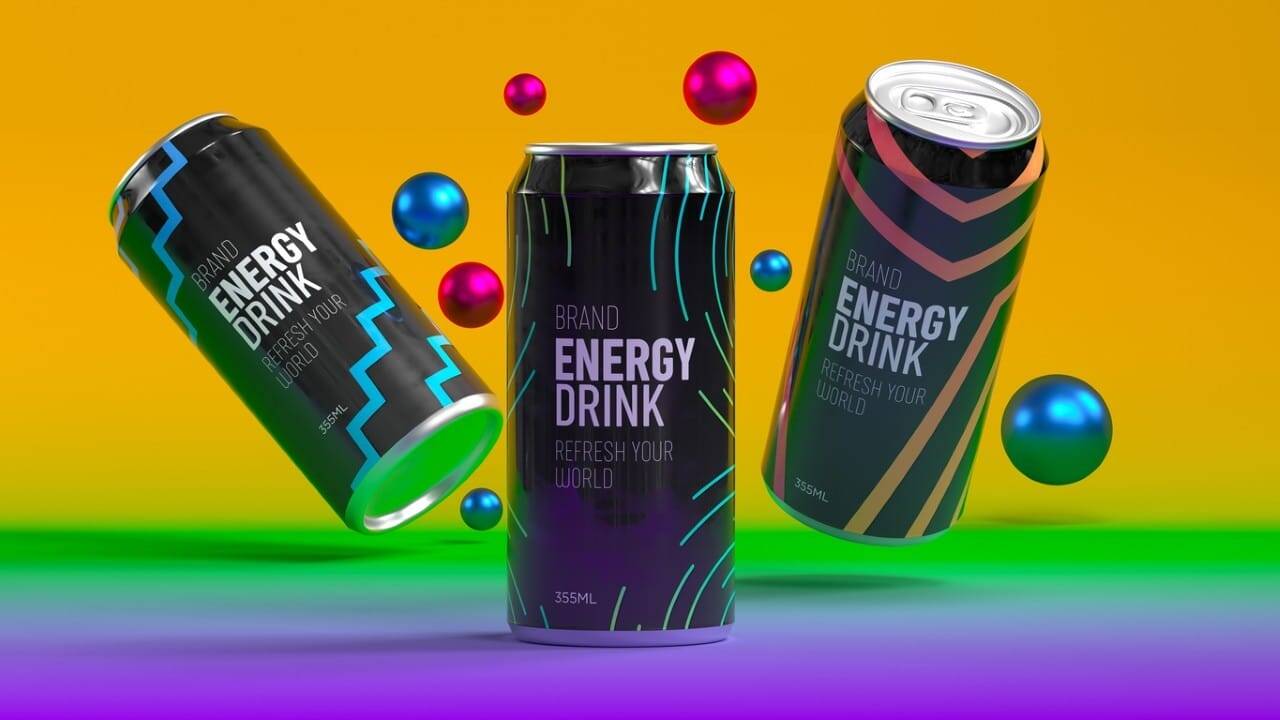
Excessive caffeine consumption may present higher risks. Levels commonly found in energy drinks, including single-serve versions, have been linked to high blood pressure and cardiac arrhythmias. Single-serve energy drinks can contain 40 to 69 milligrams of caffeine per 30 milliliters (or flakes), which is three to four times more caffeine than regular coffee.
What does caffeine do to the body
After ingestion, the caffeine in coffee is processed by the liver and generally reaches its maximum concentration in the body in approximately one hour. The speed of this process varies from person to person, influenced by factors such as genetics, metabolism, age and previous caffeine consumption.
Individuals who consume large amounts of caffeinated coffee regularly may gradually develop tolerance, while others may experience intense effects even with much smaller doses. In the short term, caffeine can temporarily increase blood pressure, heart rate, blood sugar levels and alertness, and can also cause palpitations and/or sleep disturbances in some people.
Effects of caffeine on blood pressure
Coffee consumption can influence blood pressure in different ways, depending on the amount ingested. In people with normal blood pressure, drinking one to three cups per day was associated with a slightly higher risk of developing hypertension. Interestingly, drinking more than three cups a day was linked to a lower risk of high blood pressure.
High doses of caffeine, such as those found in energy drinks or powdered form, can cause significant increases in blood pressure. This effect is especially concerning for individuals who already have high blood pressure.
Possible consequences in type 2 diabetes
Studies show that caffeinated coffee can temporarily decrease insulin sensitivity. However, regular consumption of caffeinated black coffee, without additives, flavorings or sweeteners, was associated with a lower risk of developing type 2 diabetes.
Scientists still cannot say for sure whether caffeine is solely responsible for this association. Other compounds present in coffee may be truly responsible for part or all of the benefit. More research is needed to differentiate the effects of caffeine from the various compounds found in the drink.
Coffee preparation and its impact on cholesterol
Randomized clinical trials have shown that cafestol, a substance present in both caffeinated and decaffeinated coffee, is associated with higher levels of low-density lipoprotein, known as “bad” cholesterol.
Cafestol is found in unfiltered coffees such as espresso, French press coffee, Turkish coffee or boiled coffee, but is not present in coffees prepared with paper filters or instant coffee. Researchers have yet to determine which products contain the highest levels of cafestol and how it directly affects cholesterol levels.
Caffeine and heart rhythm
Recent analyses, based on participants’ self-reported health information, revealed that drinking one to three cups of caffeinated coffee per day was not associated with an increased risk of atrial fibrillation or abnormal heart rhythms.
However, this same amount may be linked to a greater number of premature ventricular contractions, or PVCs. These are early contractions that originate in the lower chamber of the heart.
Very high doses of caffeine, such as those present in energy drinks or powdered energy drinks, have been associated with abnormal heart rhythms, even in people considered to be at low risk for cardiovascular disease, including healthy adults under the age of 30.
Heart disease, heart failure and stroke
Consuming two to four cups of caffeinated coffee per day has been linked to lower risks of developing heart disease, heart failure and stroke.
However, this relationship can change at higher levels. Consuming more than four cups of caffeinated coffee daily may increase your risk of heart failure.
Sources of caffeine: they are not the same
The researchers reinforce that caffeinated products should not be treated as interchangeable due to their different compositions. More studies are essential to compare different types of caffeinated coffee with tea, soft drinks, energy drinks, powdered energy drinks and foods that contain caffeine.
Tea has received less attention in research compared to coffee. Even so, tea consumption has been associated with reduced risks of atrial fibrillation, heart failure and stroke, similar to the benefits seen with caffeinated coffee.
Energy drinks, as well as caffeine-based bars, gels and supplements, may contain additional ingredients that facilitate faster absorption of caffeine into the body. These additives can accelerate the effects of caffeine, raise blood pressure and increase the risk of cardiovascular damage, requiring caution.
Need for more rigorous studies
The group of authors of the declaration defended the carrying out of more randomized and controlled clinical trials that investigate the caffeine present in coffee and other caffeinated products. Scientists need a clearer understanding of why people react differently to caffeine and how each specific source affects cardiovascular health.
The researchers also highlighted the limited evidence available on caffeinated energy drinks and other caffeinated products that are becoming increasingly popular. Because there is not yet enough rigorous evidence to establish formal intake recommendations, caffeine was not included in the American Heart Association’s 2026 Dietary Guidelines for Improved Cardiovascular Health.
The chairman of the scientific statement’s voluntary writing group, Gregory M. Marcus, professor of medicine at the University of California, San Francisco, and associate chief of Cardiology for Research at the same institution, emphasized that there is no single strategy for safe caffeine consumption. He warned that people react very differently to the substance depending on factors such as age, medications, pre-existing health conditions, genetics and the speed at which their bodies metabolize it. Marcus advises: “What may be a reasonable amount for one person may cause unwanted effects, such as heart palpitations, anxiety or sleep disturbances, in another. That’s why it’s important to pay attention to how your body reacts to caffeine and talk to your healthcare team about what’s right for you.”
Key Considerations About Caffeine and Heart Health
- The most recent evidence indicates that consuming up to 400 milligrams of caffeine per day, equivalent to up to five 8-ounce cups of caffeinated coffee, is generally safe for most adults.
- For some people, this level of intake may also be associated with lower risks of heart failure, heart disease, and stroke.
- High caffeine consumption, including the amounts found in energy drinks and single-serve energy drinks, may increase the likelihood of high blood pressure and/or irregular heart rhythms or arrhythmias.
- Researchers say more evidence is needed to determine how caffeine affects the body, how different sources of caffeine influence heart health and why the effects can vary so much from person to person.