
F1 2026 cars lose excitement at Spa-Francorchamps due to limits of hybrid technology

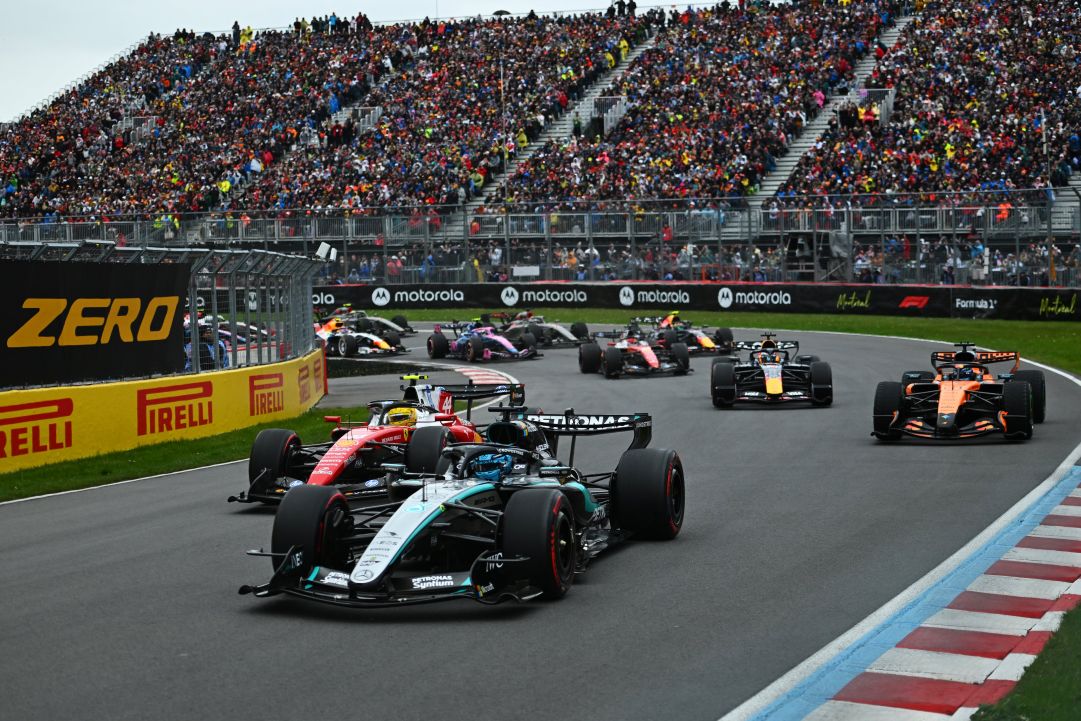
The traditional Spa-Francorchamps circuit in Belgium, the stage for one of Formula 1’s most iconic races, saw its challenging nature overshadowed by the characteristics of the 2026 cars. Kimi Antonelli’s victory at the Belgian Grand Prix highlighted a growing issue: current hybrid power units are not well adapted to high-speed tracks, reducing the excitement for both drivers and the public. Technology, which should boost sport, has, paradoxically, limited full performance in some of the most anticipated areas.
The challenge of hybrid technology on traditional tracks
The current generation of Formula 1 cars, especially the 2026 models, face a fundamental problem with managing the energy of their batteries. On high-speed circuits, such as Spa or Suzuka in Japan, the battery’s ability to power the electric motor is limited to a few seconds per lap. This means that, most of the time, the vehicles operate with less power at the rear wheels than Formula 2 cars, a base category. The need to save energy forces drivers to do “coasting”, that is, taking their foot off the accelerator in sections where maximum acceleration was previously required, to allow the engine battery to recharge.
Spa-Francorchamps: a motorsport icon in a new light
Considered by many, including the majority of F1 drivers, as the best track in the world, Spa-Francorchamps has a rich history that precedes the F1 World Championship itself, with its first race in 1922. Over the years, the circuit has undergone several transformations to adapt to the demands of the sport, whilst maintaining its challenging essence.
- Beginning of the story:The original layout was a 14.5 km circuit made up of public roads that connected the cities of Malmedy and Stavelot, returning to Francorchamps.
- Post-war:Reduced to 14.1 km, it allowed average speeds of up to 240 km/h, making it dangerously fast.
- Modern Configuration:In 1979, the circuit was reconfigured to 6.9 km, remaining the longest on the F1 calendar.
- Opening to the public:Some parts of the circuit remained public roads until the year 2000, when it became exclusively a race track.
- Iconic curves:Eau Rouge and Raidillon are its most famous corners, with a steep 24 meter climb, but others like Pouhon have also become true tests of skill.
Despite its legend, the current era of high-downforce cars and hybrid power units has changed the way these corners are approached. What used to require bravery and total commitment from the pilot has now become a point of energy management.
Drivers’ frustration with the limitations of their cars
Adapting to the new technological reality has not been easy for pilots, who openly express their discontent. Red Bull’s Max Verstappen summed up the situation in a scathing way after qualifying.
“In most of sector two you race with just the engine,” Verstappen said. “So what is this? 450 bhp, 500 bhp? Something like that, which is, I think, about what a Formula 3 car has, but with F1 downforce. So you can imagine, of course, that that’s not very exciting to drive.”
The Dutch driver’s statement illustrates how reducing power in critical sections distorts the experience of driving an F1. Curves that traditionally required maximum courage and skill now demand strategic driving, focused on recharging the battery, rather than pure speed. This change alters the dynamics of the race and the spectacle offered to fans.
Rumors about Verstappen’s future and the sport
The technical limitations of the cars fuel broader discussions about the future of Formula 1 and the engagement of its top talent. Rumors about Max Verstappen’s departure from Red Bull continue to circulate. The fact that he is not in the top two in the drivers’ championship could trigger an escape clause in his contract. In addition to a possible move to McLaren, the idea of a sabbatical in F1 is also being floated, as Verstappen has publicly expressed his desire to compete in other major endurance races, such as the 24 Hours of Le Mans, Nürburgring and, ironically, Spa.
Although the driver stated that he is “mentally adjusting” and “trying to make the best of it”, his comment “it’s not what I like, it’s not what I love doing in Formula 1” reflects a widespread discomfort with the technical direction of the sport. The frustration of one of the biggest names in the category with driving modern cars raises important questions about the balance between technological innovation and maintaining the exciting nature of racing on legendary tracks.
Impact on passion for motorsport
The dichotomy between the modernity of hybrid power units and the purity of racing at circuits like Spa-Francorchamps highlights a crucial dilemma for Formula 1. While the technology aims for efficiency and sustainability, it can also inadvertently dilute the essence of the competition, where raw power and driver daring were central elements. How the series reconciles these objectives will define not only the future of its cars, but also the passion and enthusiasm of its drivers and fans for one of the most captivating sports in the world.



