
Spermidine, present in foods, increases immune response to vaccines in the elderly

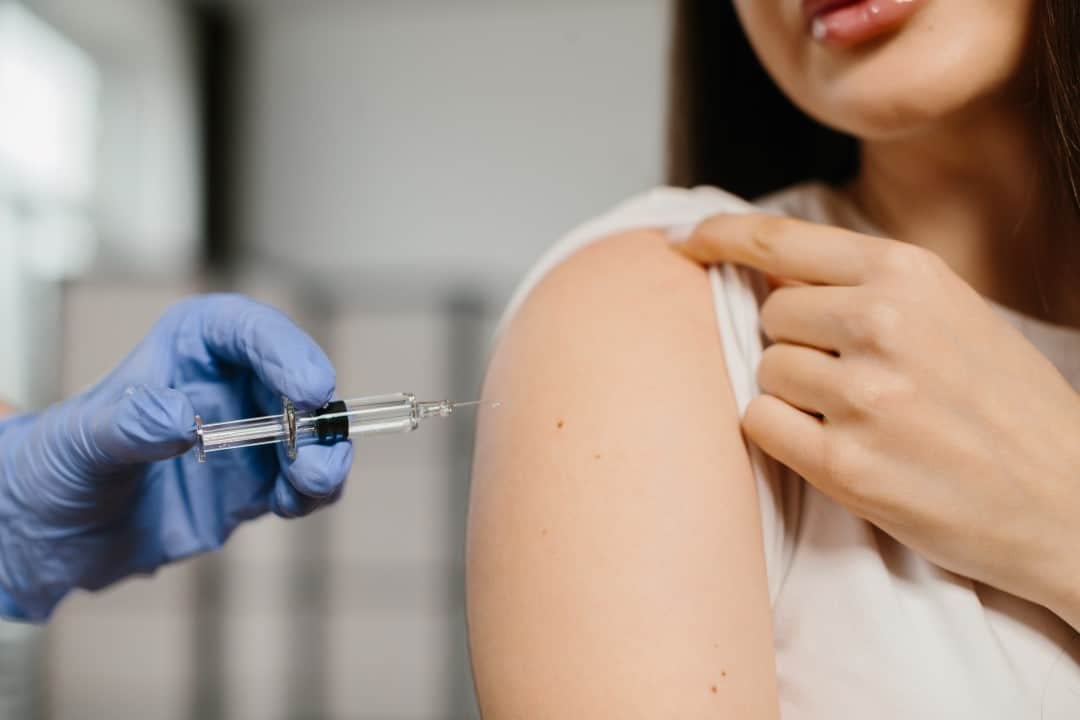
A natural compound, spermidine, found in common foods such as mushrooms and aged cheeses, has shown potential to boost vaccine responses in older adults. Researchers observed that the substance can mitigate the biological signs of aging of the immune system, known as immunosenescence, according to a study published in the journal *Aging Cell* on Monday, July 20, 2026. The discovery suggests a promising path to improving protection against diseases in a portion of the most vulnerable population.
The gradual decline in the effectiveness of the immune system with age directly impacts the body’s ability to fight infections and respond fully to vaccines. This decreased response, or immunosenescence, can lead to less protection after immunization, as observed in vaccines against COVID-19 and flu, for example. Spermidine, naturally produced by human cells, had already been associated with cellular maintenance mechanisms that become less active with aging.
How spermidine works to improve immunity in old age
The research, led by Dr Katja Simon from the Max Delbrück Center for Molecular Medicine and Dr Ghada Alsaleh from the University of Oxford, investigated the impact of spermidine on the immune response. The results indicate that daily supplementation with the compound improved several indicators of immunity after vaccination against COVID-19 in the elderly. This effect is attributed to spermidine’s ability to reduce markers associated with immunosenescence and increase autophagy, a vital cellular recycling process.
Autophagy allows cells to eliminate damaged components, maintaining their optimal functioning. As we age, this function becomes less efficient, leading to the accumulation of damaged or aged cells that stop operating normally. By optimizing autophagy, spermidine can partially reverse this process, strengthening the immune system’s ability to mount a robust defense against pathogens.
Positive results in participants with low vaccine response
To conduct the study, Simon and his team recruited 40 healthy adults aged 65 and over. After receiving the third dose of the COVID-19 vaccine, participants were divided into groups, receiving six milligrams of spermidine or a placebo daily for 13 weeks. Surprisingly, about a quarter of the volunteers had very weak antibody responses even after three doses, and their immune cells showed clear signs of biological aging, including DNA damage.
Among participants who initially had an unsatisfactory response to the vaccine and received spermidine, there was a significant improvement in immunity indicators. They developed higher levels of antibodies against SARS-CoV-2 and exhibited greater neutralizing activity against several viral variants. Furthermore, the supplement proved to be safe and well tolerated, with no adverse effects reported by researchers.
Natural sources of spermidine and the need for new studies
Spermidine is a compound that can be found in a variety of foods that are part of the daily diet. Among the main natural sources, the following stand out:
- Wheat germ:Inner part of the wheat grain, rich in nutrients.
- Mushrooms:Several species, including mushrooms and shiitake.
- Cured cheeses:Like parmesan and cheddar, which go through a maturation process.
Although the supplement showed promising results, the researchers caution that the study was a pilot trial with a limited number of participants. Dr. Katja Simon emphasizes the need for larger clinical trials to confirm whether spermidine can consistently improve vaccine responses and whether similar effects would be seen with other immunizations, such as those against seasonal flu. The current research opens the door for future investigations into how to optimize vaccine protection in older adults.
Challenges of vaccination in the elderly and the future of research
The COVID-19 pandemic has highlighted the crucial importance of vaccination in preventing serious cases and deaths, especially among the elderly. However, it is a known fact that this age group often develops fewer protective antibodies and T cells after vaccination, a pattern also seen with the flu vaccine. This lower effectiveness compromises public health and individual protection.
The project that investigated spermidine also included the participation of researchers from the Oxford Vaccine Group and Cardiff University. The possibility that a simple compound, present in food, can modulate the immune response in the elderly represents a significant advance. If larger studies confirm these findings, spermidine could become an important complementary tool to strengthen protection in vulnerable populations, ensuring that vaccines reach their maximum defense potential against infectious diseases.



