Archaeologists find decorated 12th-century boar’s tusk that was a Russian warrior’s amulet
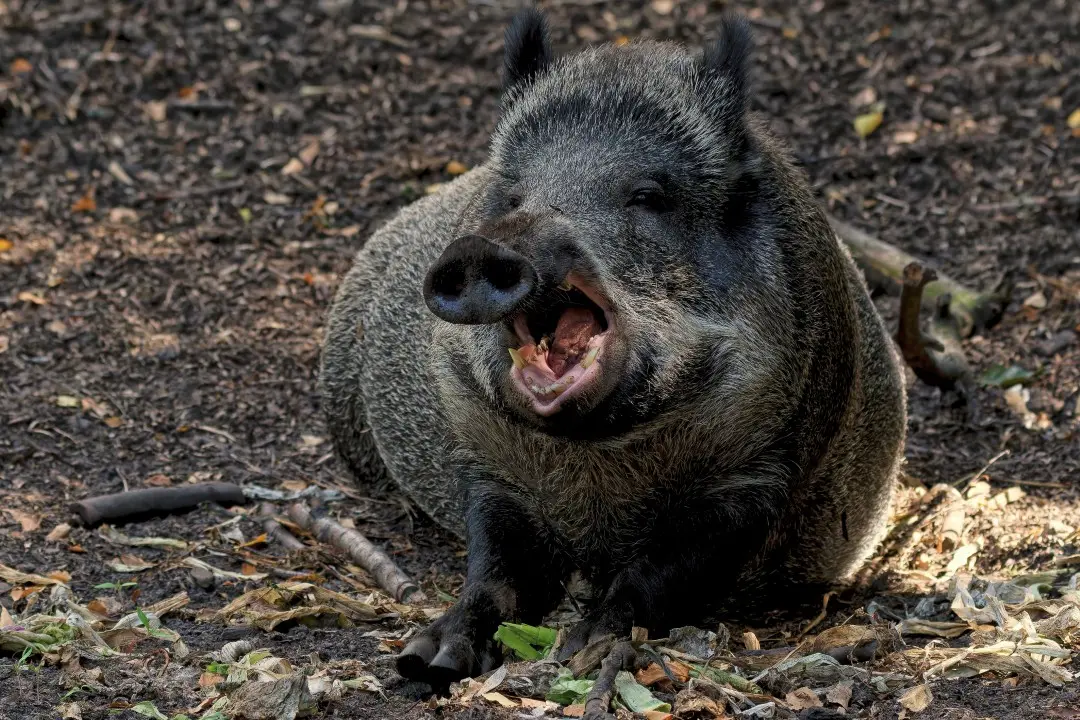
A remarkable boar tusk, dating from the 12th century, was found in Veliky Novgorod, Russia, accompanied by a metal case with elaborate engravings. This rare discovery, made on July 21, 2026, is considered a possible amulet or hunting trophy that belonged to a noble warrior of Kievan Rus’, adding a new chapter to the history of the region.
Unique characteristics of the archaeological piece
The impressive tusk measures almost 10 centimeters long and more than 2.8 centimeters wide, being unearthed at the Troitsky XVI archaeological site in Veliky Novgorod, one of the oldest Russian settlements. Researchers at Lomonosov Moscow State University, responsible for the study, determined that the artifact came from a large wild boar, over 8 years old and weighing over 100 kilograms.
On the same topic: Project to pay R$100 per wild boar slaughtered in Santa Catarina advances at Alesc
“It’s extraordinary because of its size. It’s extremely large,” said Natalia Eniosova, metallurgical scientist and co-author of the research. The animal’s unusual size suggests that its hunting was not just for food, as domestic pigs were common at the time. It is believed that the hunt actually represented a highly prestigious event.
The metallic composition that simulated silver
What distinguishes this amulet is its metal assembly. Initially, the piece was mistaken for silver due to its characteristic shine, but laboratory analyzes revealed that it was an alloy of tin and lead, carefully crafted to imitate the precious metal. In the 12th century, tin was a scarce material in Europe, which highlights the sophistication and value attributed to the choice of this component. The mount appears to have been cast from a clay mold of the tusk tip, with the detailed engravings added later.
See Also

Gamer Week: Vivo and Supercell offer free rare item for Clash Royale players

Cristiano Ronaldo reaches 977 goals for Al-Nassr and aims for the thousandth goal in his career

Newborn dies after being injured by a scalpel during a cesarean section in the interior of São Paulo, says family
Full coverage: Latest News (EN)
Creating such precise engravings on a malleable metal like pewter required considerable craftsmanship. This refined technique indicates that the amulet was an object of great value, not an item of everyday use. Such a find is consistent with the area of Veliky Novgorod where it was discovered, historically inhabited by wealthy landowners and members of the social elite.
A valuable emblem of power and protection
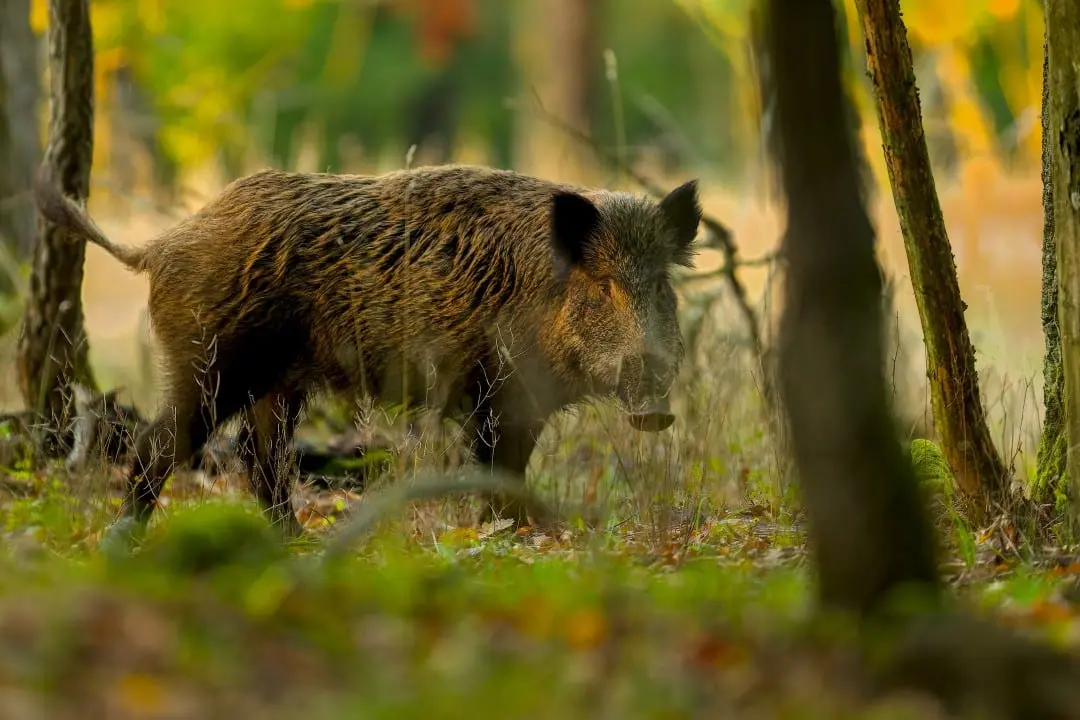
In medieval Russia, wild boar hunting was a dangerous and restricted practice, accessible only to the nobility and the druzhina, the military elite. Researchers conjecture that the tusk, transformed into a talisman, served as a martial or hunting amulet. Its owner probably believed that, by possessing it, he would absorb the animal’s physical strength and ferocity, as well as attract good luck in combat and future hunting expeditions.
Although amulets made from animal teeth were popular in Veliky Novgorod, they were more frequent in earlier periods. The discovery of a boar’s tusk amulet from the late 12th or early 13th century is remarkably rare. Some experts consider a possible connection with Scandinavian mythology, given the strong Norse influence on the culture of Kievan Rus’, although the specific pagan meaning may have been adapted at the time the piece was made in an already Christian city.