
Find of rare metallic fabric in 2026 excavation reveals details of life in Michilimackinac

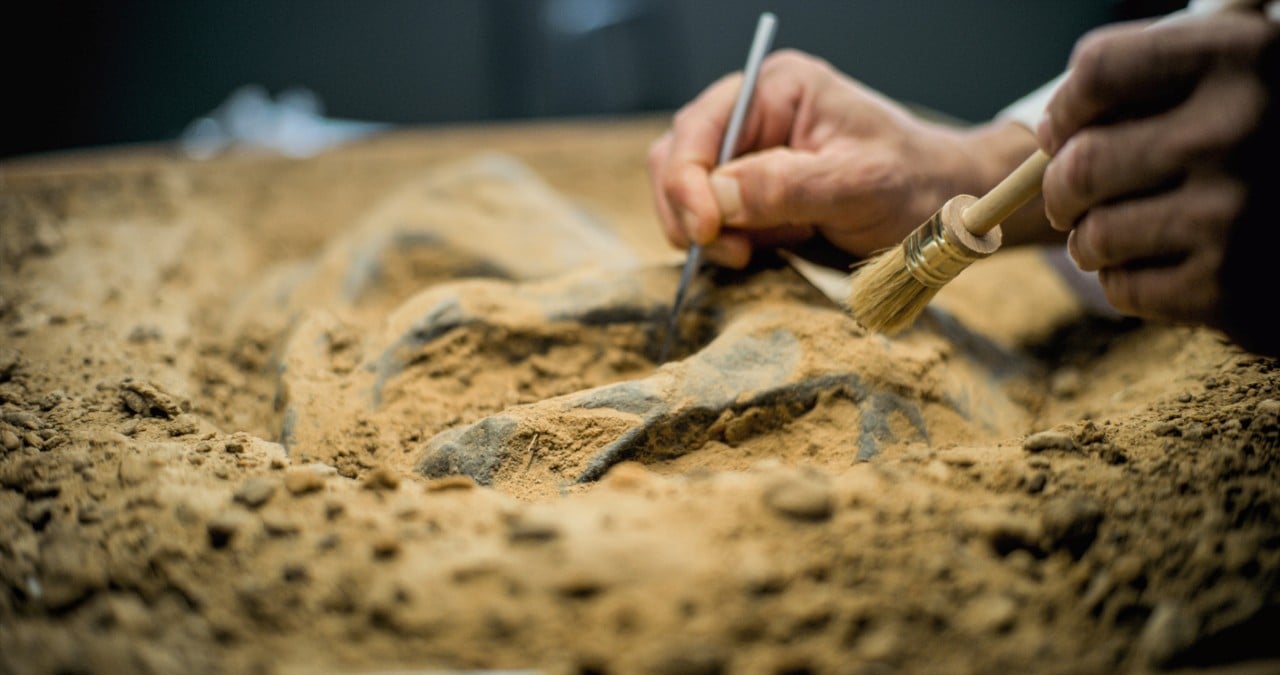
Archaeologists working at the Colonial Michilimackinac Historic Site, located in Mackinaw City, United States, identified a fragment of metallic fabric considered rare during the 2026 excavation season. The discovery, announced by Mackinac State Historic Parks, offers new perspectives on the daily life and material wealth of a former trading post.
This find is unusual and contributes significantly to the understanding of living conditions almost 250 years ago in the region. The presence of such a delicate material, which normally does not withstand the test of time, intrigues researchers and points to effective natural conservation methods.
Rare textile find defies the ravages of time in Mackinaw City
The tissue fragment, measuring about 2.5 centimeters wide, surprised the team with its exceptional preservation. Textile pieces are rarely recovered in archaeological excavations due to the rapid degradation of organic fibers in humid environments or those subject to climatic variations.
Archeology Curator, Lynn Evans, reported that the material remained intact thanks to the presence of thin copper or brass wires interwoven into its structure. The corrosion of these metals released salts that acted as natural preservatives, protecting the fabric fibers from collapse, something that would usually occur quickly with other organic materials.
Understand the historical importance of Colonial Michilimackinac
Colonial Michilimackinac is a place of great historical relevance in North America, functioning as a strategic military and trading post between the 18th and 19th centuries. Its privileged location on the Straits of Mackinac made it a crucial point for commercial exchanges and cultural interactions between European colonizers and indigenous peoples.
Excavations at this site are one of the longest continuous archaeological projects on the continent, with annual work taking place since 1959. This persistence over decades has allowed the revelation of a vast amount of information about colonial and pre-colonial life in the region, making each new discovery an additional chapter in this rich history.
Metal wires and the preservation of a distant past
The durability of the metallic fabric, which has survived for nearly two and a half centuries, is a testament to the natural chemistry involved in preserving artifacts. The combination of copper and brass not only gave the material a decorative appearance, but also played an unexpected role in its conservation.
Researchers believe that the fragment served as a finish or decoration on some item of clothing or accessory. This type of usage suggests an item of value, indicating a certain level of status or wealth for its owner at the time.
What the tissue fragment reveals about social status
The find was made in the Southeast Rowhouse area, a building that served as a merchant’s residence. Initially occupied by Charles Gonneville, the house was later inhabited by an English merchant whose name has not yet been identified.
Artifacts previously recovered from the site point to a later occupant with considerable financial success. The metallic fabric fragment aligns with this pattern of higher status goods, which included:
- Bones of domestic animals, indicating access to diverse food resources.
- Ceramics imported from England, luxury goods at the time.
- Decorative personal objects, such as buttons and buckles, which demonstrated opulence.
The presence of this decorative fabric reinforces the idea that the resident of the house had access to items that went beyond the basics, reflecting a more affluent lifestyle and connected to the trends of the time.
Other discoveries and the continuity of archaeological research
The archeology team has made several other significant discoveries in the current excavation season. One of the recent finds, in the same area, includes a jaw harp, a vibrating reed musical instrument, which also offers insight into the leisure and material culture of the inhabitants of Colonial Michilimackinac.
Excavation work continues daily at the historic site, weather conditions permitting, and is expected to continue until August 22nd. Continuing this research promises to bring to light even more details about the fascinating history of the trading post and its residents.





