
United States imposes new tariffs on imports from Brazil due to forced labor practices: tax between 10% and 12.5%

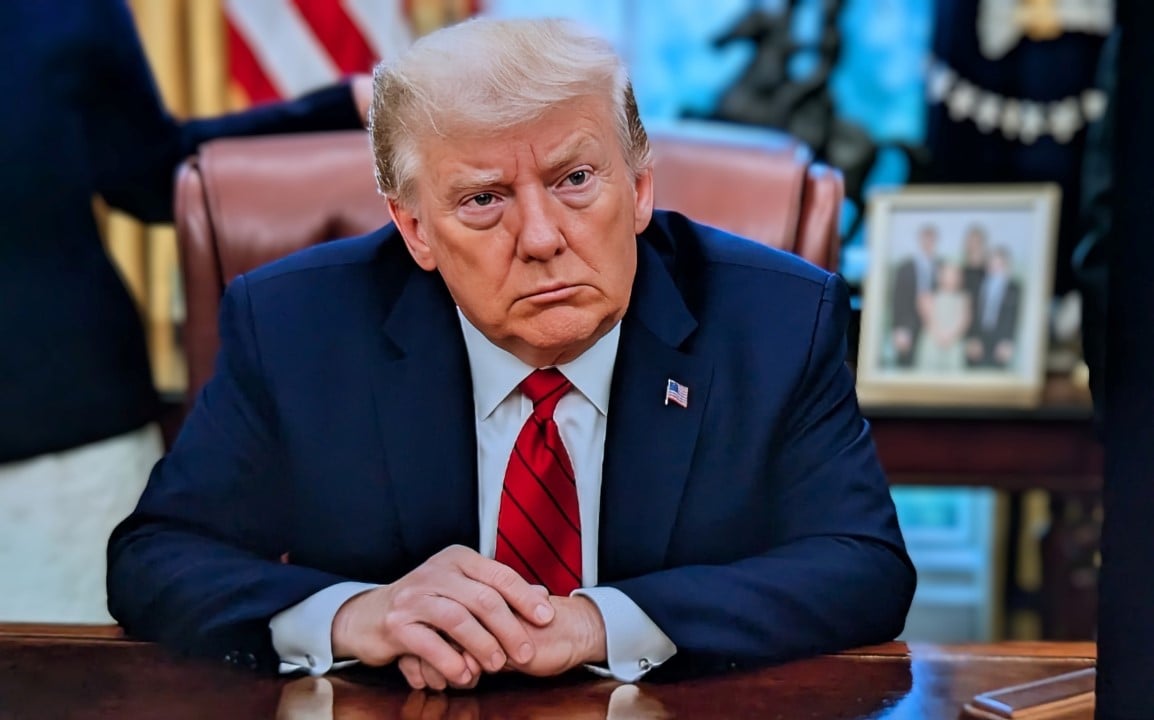
The United States began applying new tariffs on imports from approximately 60 trading partners, including Brazil, as of 12:01 a.m. on July 24, 2026, Washington time. The rates vary between 10% and 12.5%, resulting from investigations conducted under Section 301 of the US Trade Law.
This stage of the analysis focused on combating the use of forced labor in the manufacture of goods. According to North American authorities, nations that have implemented measures to prohibit this practice will face a 10% tariff.
Countries that, according to the US assessment, have not established such restrictions will be subject to a rate of 12.5%.
According to the United States government, this decision is the result of an investigation based on Section 301 of the country’s Trade Law. The investigation concluded that these nations adopt commercial conduct considered unfair because they do not adequately prevent or monitor the entry of products manufactured under conditions of forced labor.
The basis is similar to that used by the USA to justify the 25% tariff applied to Brazilian products, which came into force on July 22, 2026. With the recent measure, some items originating from Brazil may have a total surcharge of 37.5%.
A report released by the Office of the US Trade Representative (USTR) in early July indicated that this practice is “irrational” and causes harm to American commerce, by creating conditions of competition considered unfair for US companies and workers.
“The failure of our trading partners to address the import of goods made with forced labor is unacceptable,” US Trade Representative Jamieson Greer said at the time. He added that “this forces American workers to compete on an unequal playing field. We will no longer tolerate it.”
The investigation concluded that the inclusion of these products in global markets not only compromises the profitability of companies that act ethically, but also encourages the persistence of modern slave labor by allowing the circulation of goods produced at artificially reduced costs.
With regard to Brazil, the report points out that, although the country has commitments to combat slave labor in trade and investment agreements, the USA considers that there is still no effective prohibition to stop the entry of products made under these conditions into the national market.
The document recognizes the existence of the Slave Labor Dirty List, updated every six months by the federal government, but emphasizes that the focus of the American investigation was the absence of mechanisms to prevent the import of goods produced with forced labor originating from other countries.
The new rates replace previously applied rates
In practice, the new tariffs replace the 10% global rate that had been announced by former American president Donald Trump in February 2026. The decision came after the US Supreme Court overturned the “reciprocal tariffs” imposed by the Republican in 2025.
The previous measure was implemented based on Section 122 of American trade law, which authorizes the president to apply temporary tariffs for up to 150 days. This validity period ended on July 24, 2026.
At that time, the American president had already anticipated that he would resort to Section 301 to initiate investigations into commercial practices that he considered unfair.
What is the Brazilian government’s reaction and next steps?
The Brazilian government was already expecting the imposition of the new 12.5% tariff and is currently in dialogue with representatives of the most affected sectors to develop a response to the measure.
The government’s main initiative to support companies affected by tariffs is the Sovereign Brazil Plan. Launched in 2025, the program offers financing lines, expanded guarantees for exporters and commercial promotion actions, aiming to help Brazilian companies conquer new markets.
On July 22, 2026, the government announced the third stage of the plan, which made R$18.5 billion in credit available to companies affected by US trade tariffs. The action benefits companies in strategic industrial sectors, such as the pharmaceutical, fertilizer and textile segments, as well as companies whose exports to the Persian Gulf were impacted.
In the latter case, the government’s purpose is to expand support to companies damaged by the war in the Middle East. The conflict, which involves the US, Iran, Israel and other nations in the region, led to the partial closure of the Strait of Hormuz, one of the world’s main trade routes, through which around 20% of global oil trade passes.



