
United States trade barriers slow the advance of the electric Volvo EX30

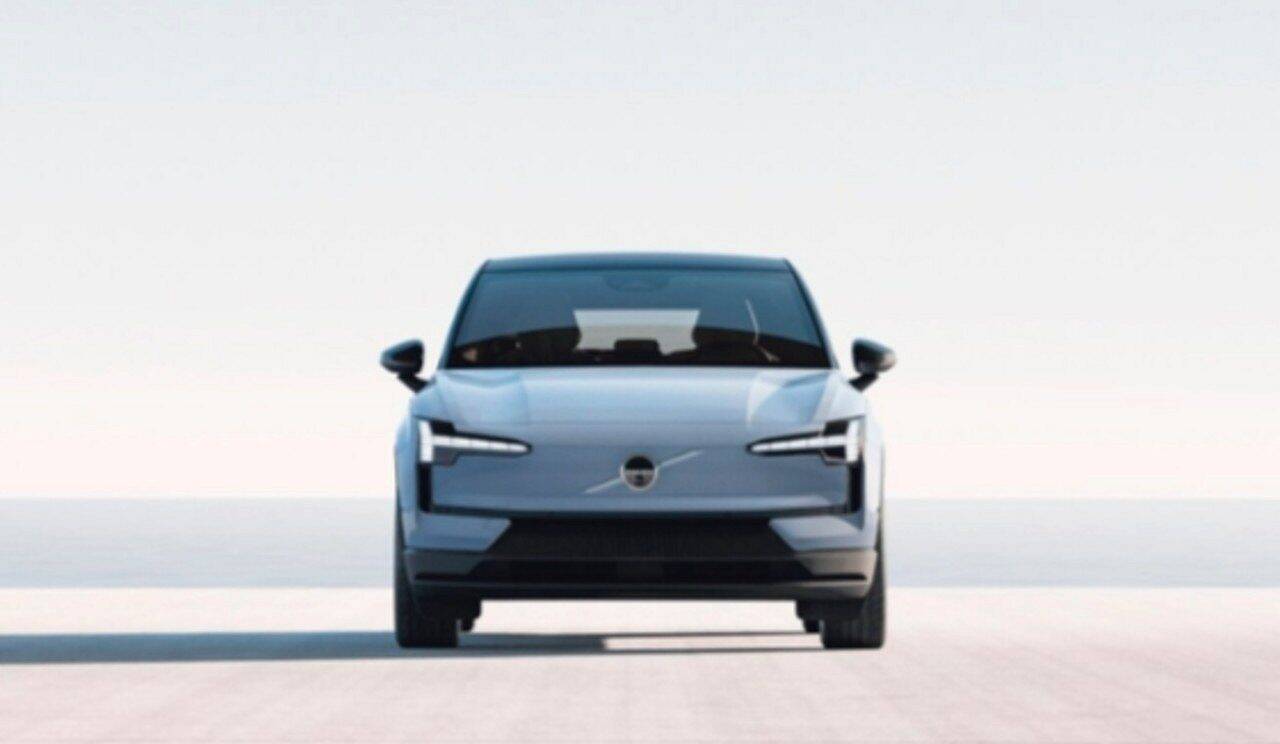
In the last ten years, cars sold in the North American market have undergone considerable swelling, gaining around 25 millimeters in width and an impressive 558 millimeters in length. Although this extra robustness is often associated with a perception of protection for occupants, excessive growth raises alarms about energy efficiency and the damage caused in traffic accidents involving pedestrians. Going against this preference for metal giants, the Volvo EX30 electric sports utility vehicle appears as a rational and compact solution for urban roads, however, its commercial trajectory faces severe obstacles in terms of availability at dealerships.
With a reduced ecological footprint and a strong appeal focused on the physical integrity of passengers, this battery-powered crossover had everything to fill an important gap among consumers looking for agility in their daily lives. The Swedish automaker, however, took the drastic decision to halt shipments of the car to the United States due to external factors. In practice, this means that local resellers only have a residual batch of approximately 1,200 units and, as soon as this stock runs out, the windows will be empty for an indefinite period of time.
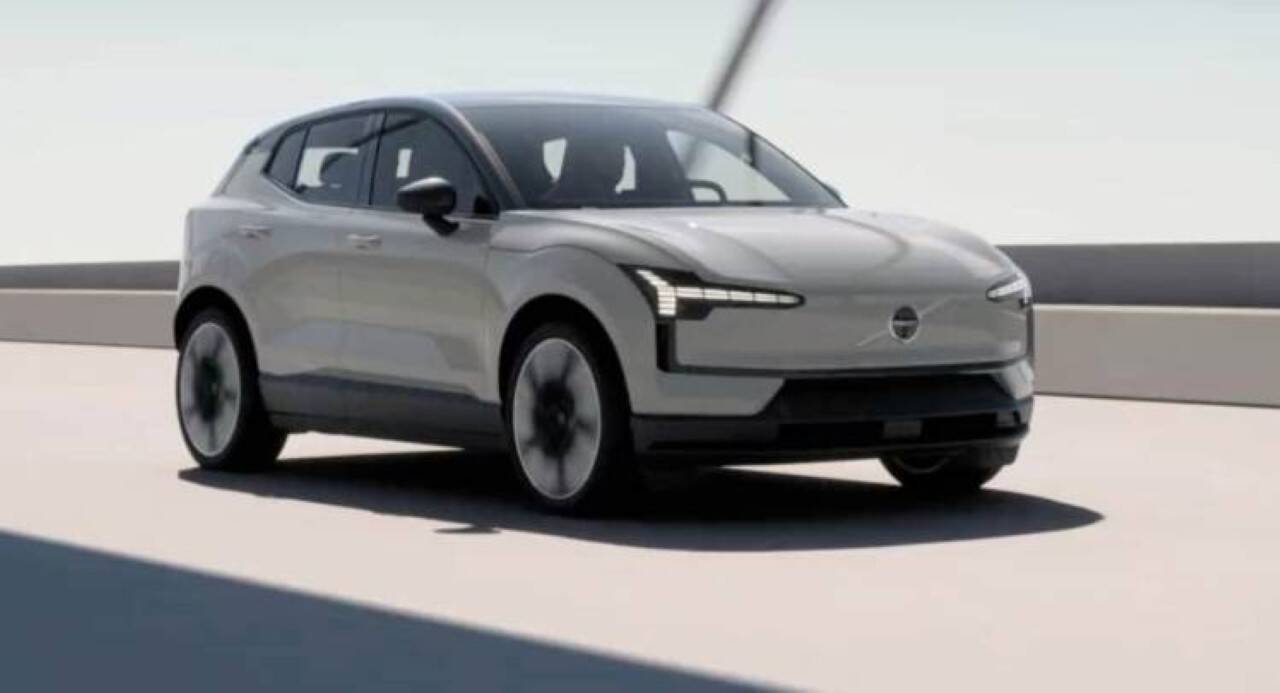
When it was revealed to the world in 2023, the utility generated a huge buzz in the automobile industry, mainly due to its starting price tag set at US$34,950 for the rear-wheel drive configuration, an amount charged before the application of any government subsidies. This aggressive figure placed the luxury model well below the average cost of electric cars in the United States, which usually exceeds the US$50,000 barrier, making it an attractive entry point into the premium segment. However, heightened global geopolitical tensions and customs disputes have completely destroyed this aggressive pricing strategy.
Direct impact of government sanctions on production and final price
The secret behind that highly competitive value lay in the assembly line located in Zhangjiakou, in Chinese territory, where operating costs are significantly lower. The scenario turned upside down when Joe Biden’s administration implemented heavy import duties on vehicles manufactured in China throughout 2024, a protectionist move that was echoed in Donald Trump’s proposals for the following years. Pressured by this trade war, the manufacturer had to freeze deliveries and hastily transfer the manufacturing of units destined for North America to its industrial complex in Ghent, Belgium.
The change of continent did not solve the tax problem completely, as cars coming from Europe also suffer from a 25% customs tax when entering American soil. As a direct result of this fiscal math, the crossover’s starting price jumped to US$40,345 for the single-engine version, already accounting for mandatory shipping expenses. For customers who insist on all-wheel drive and the dual mechanical set, the bill rises to a hefty US$46,345, showing how political decisions have brutally increased the final product.
The adventurous Cross Country variant, which served as the basis for recent media reviews, uses the four-wheel drive architecture and adds exclusive elements such as raised suspension, plastic moldings on the wheel arches and protective plates on the underside of the chassis. All these aesthetic and functional accessories push the acquisition cost into the dangerous range of US$50,000. This is an amount considered exorbitant by industry experts for a utility vehicle with such small dimensions, made worse by the fact that the maximum promised range is restricted to a modest 365 kilometers on a full charge.
Power and energy efficiency figures for the mechanical assembly
Under the body, the configuration with two electric engines hides brutal strength, delivering 422 horsepower and an instantaneous torque of 542 Nm. Such mechanical vigor catapults the car from zero to 100 km/h in an impressive 3.7 seconds, although the installation of the optional package of 18-inch wheels shod with mixed-use tires, which costs an extra US$3,495, may slightly harm this acceleration mark. For those who prefer a more leisurely drive, the system offers a mode focused on autonomy, which limits energy delivery and makes accelerator responses much more docile and predictable in daily traffic.
Energy storage is handled by a lithium-ion battery pack with a useful capacity of 65 kWh, designed to support ultra-fast direct current recharges of up to 153 kW. In these high-power stations, the manufacturer promises to recover 10% to 80% of the charge in around 27 minutes. Interestingly, the automaker backed away from its previous promises and maintained the CCS1 plug standard for the American market, delaying the adoption of Tesla’s NACS connector. During real road tests, the vehicle needed 21 minutes plugged in to jump from 49% to 82% battery, projecting a practical range of just 245 kilometers when the air conditioning system is running continuously.
Minimalist cabin bets on the total elimination of physical controls
Following a strict guideline for cutting production costs, the utility vehicle’s cabin embraces extreme minimalism by banning practically all traditional buttons and eliminating the instrument panel behind the steering wheel. Vital information, such as instantaneous speed and selected gear, has been squeezed into the upper portion of the central multimedia display. The digital interface runs under the Android Automotive operating system, ensuring fluid navigation and offering full compatibility with the Apple CarPlay and Android Auto platforms for smartphone mirroring.
Even with the absence of conventional tactile controls, the cabin manages to convey a feeling of comfort and sophistication. The Swedish brand’s design team nailed the selection of recycled materials and textures that please both the touch and the eye. The interior’s greatest asset is the floating center console, which houses a clever sliding drawer with adjustable cup holders, as well as a lower niche with an articulated floor perfect for hiding valuables and connecting cables to the available USB-C ports.
The external measures confirm the strictly urban vocation of the project, considerably limiting habitability. The 2,650 mm wheelbase tries to work miracles with the internal space, but reality takes its toll on the back seat, where adult passengers suffer from the cramped conditions. The official proportions of the vehicle are distributed as follows:
- Total length 4,233 millimeters.
- Width fixed at 1,838 millimeters.
- Maximum height of 1,573 millimeters.
- Rear legroom of a mere 821 millimeters.
- Trunk with a modest capacity of 318 liters with the seats in use.
To worsen the model’s commercial scenario on American soil, long-term evaluations conducted by the specialized press have been harsh towards the Swedish project. The renowned Edmunds portal, after subjecting the car to a rigorous twelve-month user experience test, classified the daily experience as highly frustrating for drivers. The verdict points out that, despite having interesting attributes on paper and an eye-catching design, the execution focused on extreme cost reduction created ergonomic obstacles and usability flaws in the software that tire the owner over time.





