
Arrival of the iPhone 18 Pro Max and foldable model transforms Apple catalog

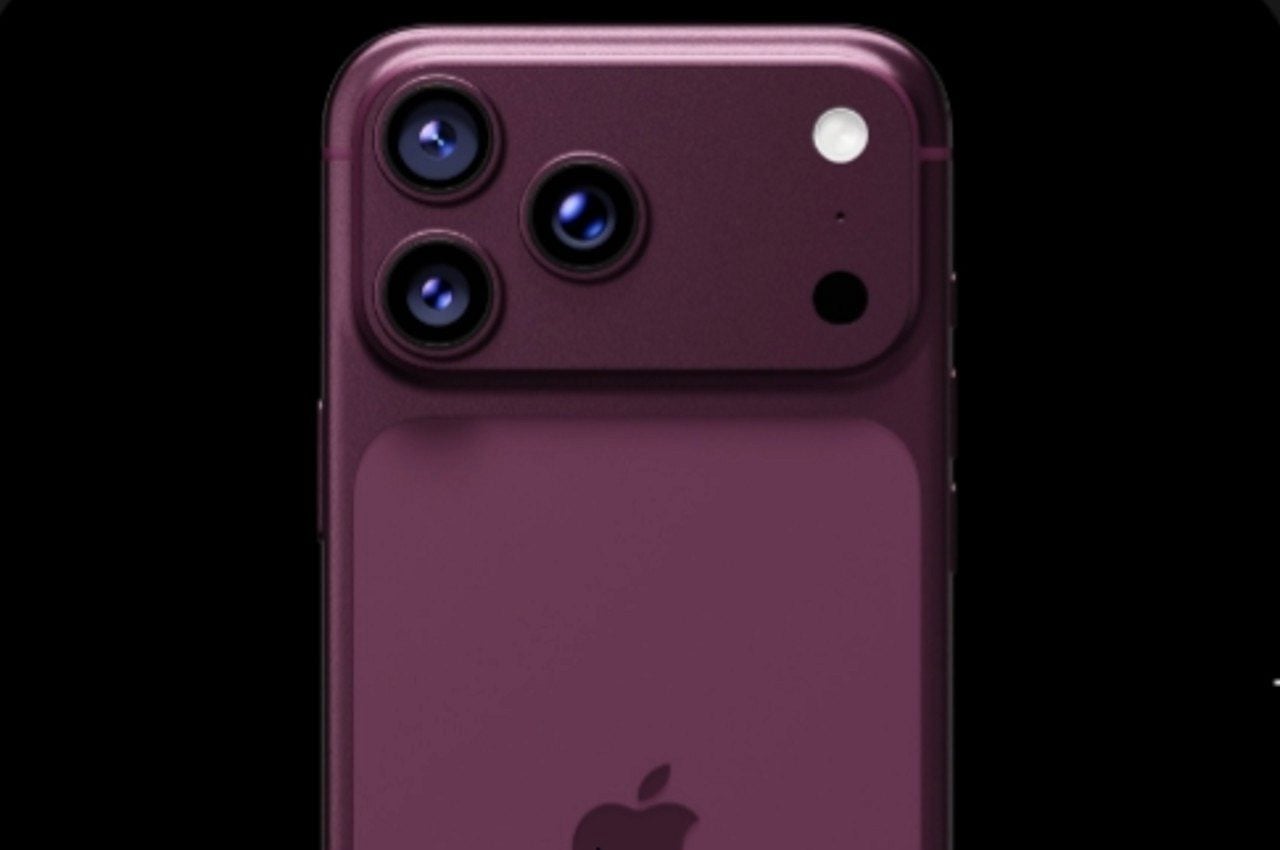
The Cupertino-based technology giant revealed to the world its latest line of mobile devices, highlighted by the introduction of a 200-megapixel photo sensor with adjustable physical aperture in the most expensive version of its flagship franchise. The global event also served as the stage for the manufacturer’s long-awaited debut in the flexible screen segment, a direct response to the years’ dominance of brands like Samsung and Huawei in this specific niche. Expected to hit shelves in September 2026, consumers will find the new equipment starting at US$899 for the entry-level version, while the more robust variant will require an initial investment of US$1,199.
Optical advances bring cell phones closer to professional cameras
The image capture suite of the top-of-the-line model has undergone a profound redesign of its internal architecture. The adoption of a 1/1.12-inch component represents the largest photographic hardware ever built into a branded phone, bringing the device closer to the traditional premium compact cameras on the market. This physical expansion results in an unprecedented capacity for light absorption, which translates into much sharper night photographs and with a drastic reduction in the grain that usually affects recordings taken in dark environments.
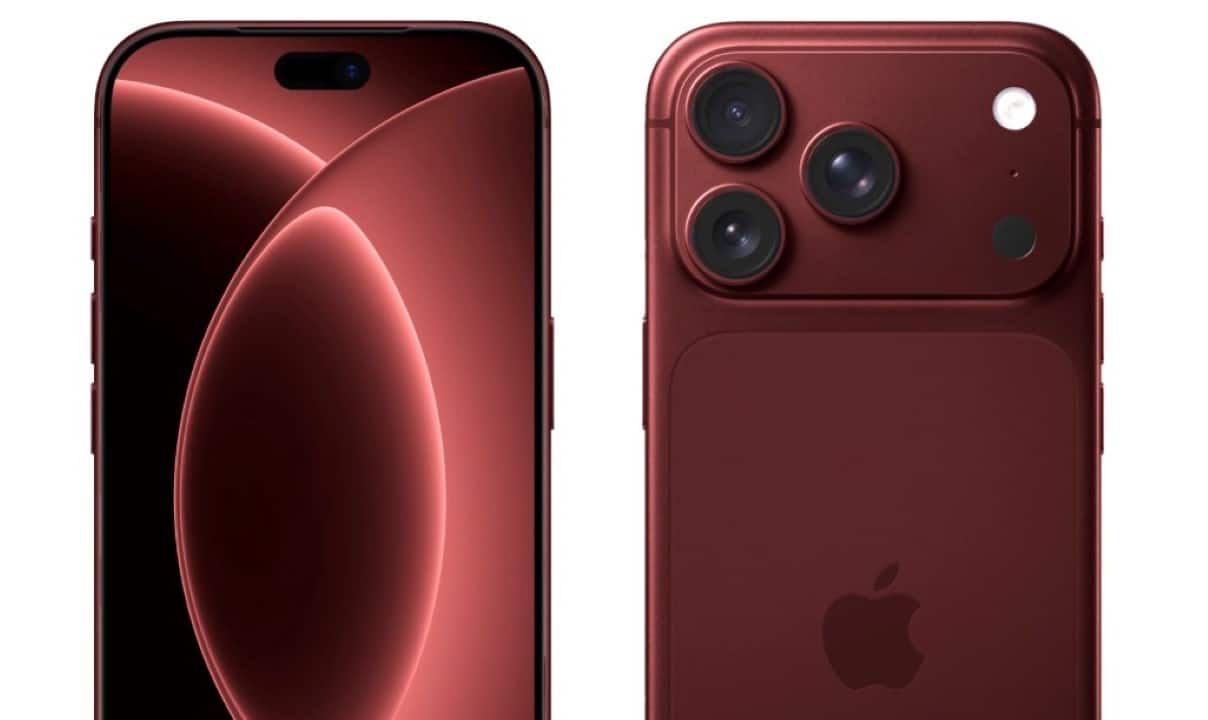
The great technological difference of this generation lies in the mechanism that physically changes the diameter of the diaphragm, something rare in the mobile industry. In practice, the user gains the power to manipulate the depth of field in a real way even before recording the scene, generating an authentic background blur that is free from the flaws common to digital filters. Photographers and content creators, who have been demanding greater manual control on Apple devices for years, are the main beneficiaries of this change, which works together with a very high resolution zoom lens to guarantee zoom without loss of detail.
For the performance-focused mid-range version, the manufacturer opted for a trio of rear lenses with different capabilities. The equipment has a 48-megapixel primary sensor, accompanied by an ultra-wide-angle lens with the same capacity and a 64-megapixel periscopic zoom module. Video recording reaches 8K at 60 frames per second in both variants aimed at professionals, relying on robust computational processing that adjusts the lighting and colors of the scene instantly during filming.
Energy efficiency driven by new chip architecture
The heart of the new devices is the silicon called A20 Pro, built using the advanced two-nanometer manufacturing process, which guarantees a significant leap in both speed and charge savings. This fundamental piece works in sync with denser energy storage components, delivering up to 26 hours of uninterrupted use away from outlets. The larger screen version houses a 5,200 mAh tank, while the slightly smaller option has 4,300 mAh. You can enable an extreme containment feature that shuts down secondary processes to keep your phone operating for up to 72 hours with vital functions only.
On the front, the very high definition OLED panels use M16 material, reinforcing the historic supply partnership with the screen division of South Korean Samsung. Consumers will find 6.9 inches of visual area in the most expensive variant and 6.3 inches in the model below. The fluidity of navigation is guaranteed by ProMotion technology, which adapts the screen refresh up to the limit of 120 Hz, lowering this rate to save battery when the content displayed is static. Additionally, the design team managed to shrink the top cutout known as Dynamic Island, giving back precious millimeters of screen for viewing system alerts.
- 12 GB of volatile memory capacity to keep dozens of applications open simultaneously.
- Space to store files that reaches 2 TB in the most advanced configurations.
- Proprietary C2 network component created to extract maximum stability from cell towers.
- Out-of-the-box support for the latest wireless standards, including Wi-Fi 7 and Bluetooth 6.
- Expansion of the space communication network to guarantee the sending of messages in regions without traditional coverage.
Foldable device launches new category in the company’s catalog
The introduction of the iPhone Fold puts the American company definitively in the race for a format that is gaining traction in the global market. The chosen design follows the side opening pattern, offering a 5.5-inch external display for quick everyday interactions. When unfolding the chassis, the user is faced with a flexible 7.8-inch work area, which practically converts the smartphone into a compact tablet, ideal for watching movies, reading digital books and manipulating complex spreadsheets.
The folding mechanism required years of secret testing in the brand’s laboratories to solve one of the competition’s biggest bottlenecks: the visible crease in the center of the display. To optimize internal space, Touch ID fingerprint reading has been relocated to the side power button, allowing secure access to data without the need to open the device. This model’s internal engine shares the same firepower as the professional-oriented versions, including the A20 Pro processor, 12 GB of memory and up to 2 TB of space. The rear module houses two lenses headed by a 200 megapixel sensor. The stipulated value of around US$2,000 makes it clear that the product targets a select audience and enthusiasts willing to finance hardware innovations.
Operating system focuses on automation and local processing
The entire new crop of phones will come out of the box running iOS 27, the central pillar of which is the deep integration of artificial intelligence algorithms. The famous voice assistant Siri underwent a complete rewrite of its code, becoming capable of understanding nuanced requests and remembering what was said minutes before in the same interaction. The software now has permission to read information between different installed programs, being able to schedule appointments or perform tasks autonomously from a simple verbal command.
The native image manager has received a package of tools that practically eliminates the need for third-party editors. The program points out framing errors and allows you to delete people or objects from the scene, filling the hole with artificially generated pixels that blend perfectly into the environment. When typing, the keyboard learns the device owner’s slang and tone of voice, anticipating entire sentences based on chat history. Following its strict privacy policy, the manufacturer ensured that all this computational reasoning takes place physically inside the A20 Pro chip, blocking the sending of personal data to external servers.
Sales strategy divides devices by consumer profile
The gateway to the new ecosystem will cost US$899, the amount charged for the standard edition of the iPhone 18. This more affordable model finally inherited the fast screen refresh technology, guaranteeing fluid animations that were previously exclusive to those who paid the most. The look and processor were suited to support the heavy demands of the new iOS 27 tools. Interestingly, the company abandoned the classic black paintwork, offering shades of dark cherry, light blue, dark gray and silver. The Pro variant will require a minimum outlay of US$1,099, justifying the jump in price due to cutting-edge optical components and high-definition panels. This showcase division seeks to serve everyone from the common user to content creators, leaving the foldable format as a luxury option for those looking to dictate physical trends in the market.



